
Wearables Shift from Fitness to Clinical Prediction, Straining Healthcare Systems
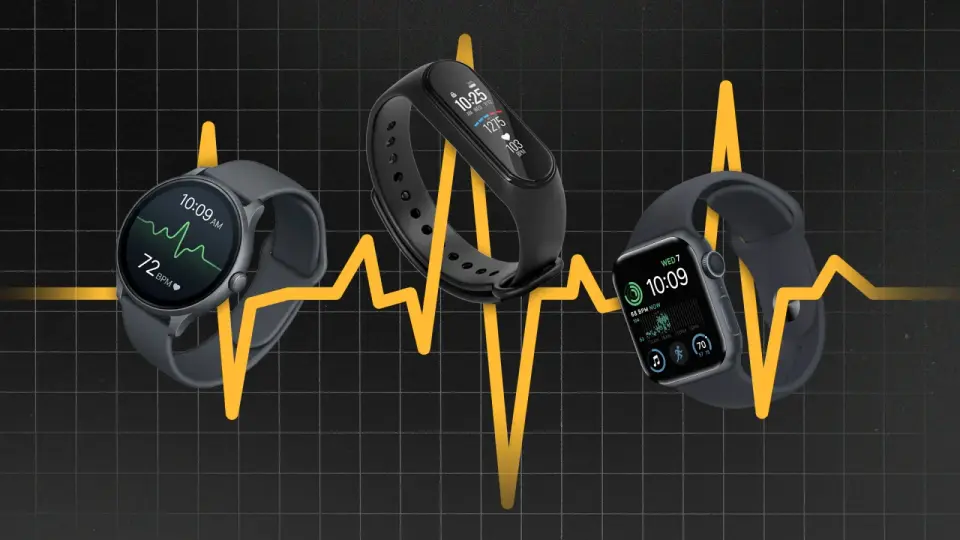
Smartwatches and rings now offer clinical-grade health monitoring, but integrating this data into the U.S. healthcare system remains a major challenge. While devices accurately track metrics like heart rate and sleep, translating this data into actionable medical insights requires new digital biomarkers and regulatory clarity. Privacy concerns and the gap between wellness tracking and medical diagnosis continue to hinder widespread adoption.
Key points
- 57% of U.S. adults own at least one wearable device, with 59% of owners sharing data with healthcare providers, according to Rock Health.
- Stanford researcher Michael Snyder notes that wearables can detect respiratory infections days before symptoms appear by tracking baseline deviations in heart rate and variability.
- Duke University’s Jessilyn Dunn highlights that while data collection is accurate, the lack of standardized digital biomarkers prevents physicians from efficiently using this information in clinical settings.
- The FDA maintains that low-risk wellness features do not require medical device review, but researchers warn that the line between wellness and medical devices is blurring as data influences treatment decisions.
- Privacy remains a concern, as consumer wearable data is not protected by HIPAA unless added to medical records, leading to potential commercial sharing of sensitive health information.
Background
Since 2026-08-03, the market has seen a surge in smartwatch innovation, with Samsung’s Galaxy Watch 9 and competitors like Garmin and Amazfit enhancing health tracking capabilities. These devices now feature advanced sensors and AI integration, moving beyond basic step counting to comprehensive physiological monitoring. This evolution sets the stage for the current debate over how healthcare systems can effectively utilize this data.
How outlets are covering it
Straight Arrow emphasizes the potential for personalized medicine, citing Stanford’s Michael Snyder on the value of individual baselines over population averages. Today’s Medical Developments focuses on the regulatory and trust issues, noting that 57% of U.S. adults own wearables but questioning whether constant monitoring feels like surveillance. Beyond Type 1 offers a patient-centric view, illustrating how individual data analysis can predict glucose patterns, though it notes that these findings are not universal. While Straight Arrow and Today’s Medical Developments highlight systemic and regulatory hurdles, Beyond Type 1 demonstrates the practical, albeit limited, benefits for specific conditions like diabetes.
Why it matters
The integration of wearable data into healthcare could shift medicine from reactive treatment to proactive prevention. However, without standardized digital biomarkers and clear regulatory frameworks, the potential of this technology remains unrealized. Additionally, privacy concerns and the lack of HIPAA protection for consumer data pose significant risks to patient trust and data security.
What to watch
Researchers are developing digital biomarkers to simplify data interpretation for physicians. The FDA is expected to continue clarifying the boundaries between wellness and medical devices. Meanwhile, companies may face increased scrutiny over data privacy practices, and patients may increasingly use wearable data to inform personal health decisions, even without direct clinical integration.
- Smartwatches are getting smarter. Is healthcare ready? Straight Arrow
- The dissolving boundaries between consumer wearables and medical devices Today's Medical Developments
- Wearables: Humanity’s Savior The Times of Israel
- Can Your Wearables Predict Tomorrow’s Glucoses? Beyond Type 1
Want the full story? Read the original reporting
Read on Straight Arrow