
Experts urge moving phones out of bedrooms to fix sleep disruption
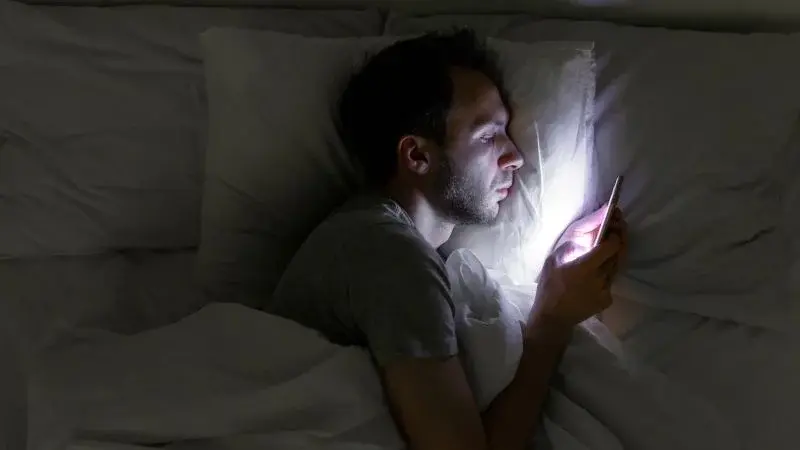
A CNN feature highlights how keeping smartphones in bedrooms harms sleep quality, citing data that 62% of adults under 30 report sleep loss due to phone use. Experts recommend removing devices from sleeping areas to reduce anxiety and improve rest, noting that even passive proximity to phones can disrupt sleep cycles.
Key points
- Pew Research Center data indicates 62% of adults under 30 say smartphone use reduces their sleep duration.
- A 2022 study found 42% of participants used phones in bed before sleeping, linked to lower sleep quality.
- Blue light filters do not fully counteract the cognitive stimulation caused by scrolling before bed.
- Sleep therapists recommend 'stimulus control' by reserving bedrooms strictly for sleep and intimacy.
- A 2018 study showed 75% of participants who removed phones from bedrooms for one week reported faster sleep onset and better well-being.
- Some experts suggest keeping phones in bedrooms only for emergency contact, using Do Not Disturb modes to limit notifications.
Background
This topic follows recent coverage of the JAMA study linking late-night phone use to significant teen sleep loss, as well as the launch of Brick Night, a $129 Bluetooth device designed to automatically block apps in bedroom zones to enforce digital boundaries.
Why it matters
As smartphone integration into daily life deepens, the boundary between work, leisure, and rest blurs. Poor sleep hygiene driven by device proximity contributes to anxiety and reduced well-being, making behavioral changes essential for public health.
What to watch
Individuals are encouraged to test removing phones from bedrooms gradually, using physical barriers or old-fashioned alarm clocks to manage anxiety about being unreachable, while monitoring sleep improvements over time.
Want the full story? Read the original reporting
Read on CNN