
VR Games Replace Anesthesia for Pediatric Procedures
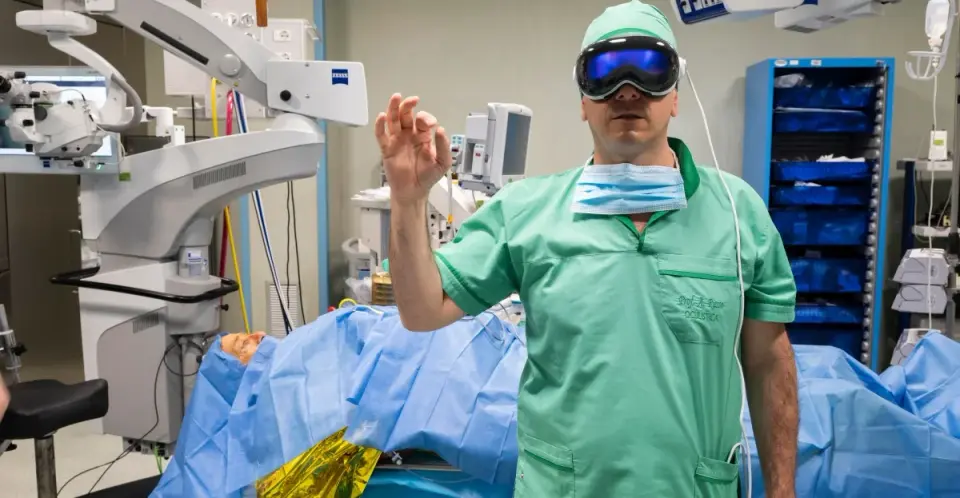
Video games and virtual reality (VR) are emerging as critical tools in healthcare, particularly for reducing the need for anesthesia in children and accelerating scientific research. Recent studies show that VR games can distract children during minor surgeries and MRI scans, allowing them to remain still without sedation. Additionally, commercial multiplayer games are being repurposed to perform complex scientific tasks, such as DNA sequencing, by engaging millions of users in puzzle-solving activities that outperform traditional computational methods.
Key points
- A 2024 study involving over 100 children found that VR games like 'Pebbles the Penguin' and 'Space Pups' allowed kids to undergo minor procedures without general anesthesia or sedation, resulting in shorter recovery times.
- A December 2025 Canadian study demonstrated that 18 children, averaging five years old, completed MRI scans without sedation after playing a VR game that prepared them for the procedure.
- Dr. Kimberly Hieftje of the Yale Center for Immersive Technologies notes that VR helps manage pain and anxiety in pediatric patients, addressing the risks associated with repeated general anesthesia exposure in young children.
- Attila Szantner, CEO of Massively Multiplayer Online Science, integrates scientific tasks into games like 'Borderlands 3,' where players sequence gut bacteria DNA through gameplay mechanics.
- A 2024 project involving over 4 million players completed 135 million science puzzles, achieving better DNA sequencing results than current state-of-the-art computational methods.
- Other applications include using VR to coach Type 1 diabetes patients through exercise and exploring games like 'Tetris' to mitigate PTSD symptoms.
Background
This development follows a broader trend of integrating digital technologies into medical training and patient care. While previous discussions focused on screen-free activities for children or the expansion of personal care products for tweens, the focus has shifted to therapeutic applications of gaming. The FDA’s 2020 approval of 'EndeavorRx' for ADHD treatment set a precedent for video games as medical devices, paving the way for these new immersive technologies in pediatric and scientific contexts.
Why it matters
The adoption of VR and gaming in healthcare addresses significant clinical challenges, such as the risks of general anesthesia for children and the inefficiency of manual scientific data processing. By leveraging the engagement mechanisms of popular games, healthcare providers can improve patient outcomes and accelerate research, potentially reducing the reliance on sedation and enhancing the speed of scientific discovery.
What to watch
Researchers are planning larger studies to validate the effectiveness of VR in pediatric care and diabetes management. Companies like Massively Multiplayer Online Science continue to expand their integration of scientific tasks into commercial games, aiming to further leverage citizen science for breakthroughs in fields like microbiome research and cellular analysis.
Want the full story? Read the original reporting
Read on vox.com