
Regeneron Study Shows Drug-Antibody Combo Eradicates Mice Tumors and Induces Lasting Immunity
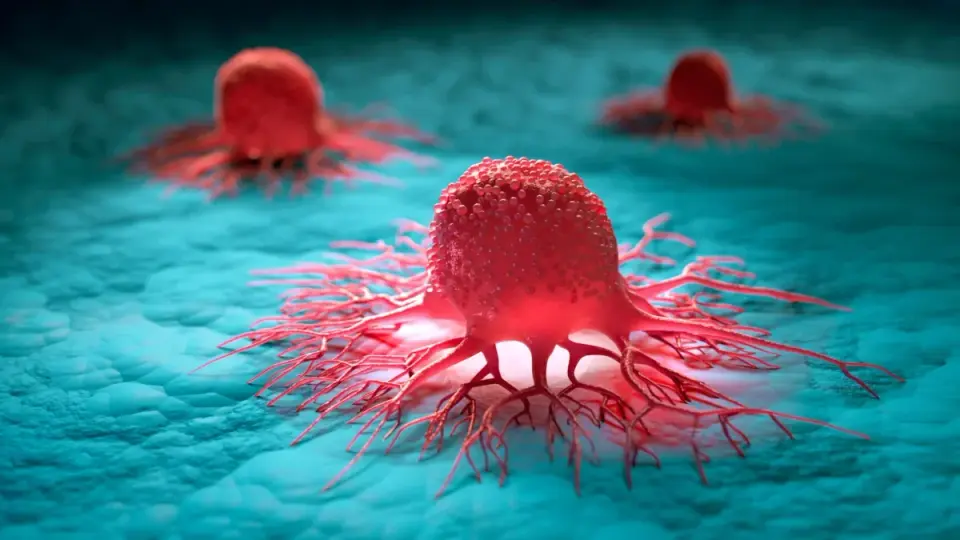
A new study by Regeneron Pharmaceuticals demonstrates that combining the cancer drug Enhertu with an experimental bispecific antibody can eliminate tumors in mice and provide lasting protection against recurrence. The research, published in Nature Communications, shows that this combination activates specific immune cells to remember the cancer, offering a potential strategy for durable tumor control in humans.
Key points
- Regeneron researchers combined the established drug Enhertu (trastuzumab deruxtecan) with an experimental bispecific antibody targeting CD28 on T cells.
- In mouse models of breast cancer, Enhertu alone cured fewer than half the animals, but the combination eliminated tumors in all nine tested mice.
- Mice remained tumor-free for at least four weeks and rejected reintroduced cancer cells without further treatment, indicating immune memory.
- The therapy relies on CD8 T cells; removing these cells abolished the treatment's effectiveness.
- An EGFR-targeting antibody combined with Enhertu cured 75% of mice with resistant breast tumors, while pairing with chemotherapy slowed colorectal tumor growth.
- The study was funded by Regeneron, with all authors being current or former employees, and patent applications have been filed.
Background
This development follows a trend of preclinical success in immune-based cancer therapies, such as the recent UCSF B-SYNC CAR-T trials for brain tumors, which also showed durable protection in mice. While these mouse models offer promising signs of long-term immunity, they do not replicate all human side effects, such as damage to lungs or hearts, necessitating further clinical trials.
How outlets are covering it
ScienceAlert and UA.News provide detailed accounts of the specific mouse trial results, emphasizing the complete tumor clearance in the Enhertu-antibody group and the role of CD8 T cells. Oncodaily offers a broader industry perspective, highlighting that CD28 bispecific antibodies are being explored in combination with other modalities, such as CD3 engagers in prostate cancer, to overcome resistance. While ScienceAlert focuses on the specific mechanism of the Regeneron study, Oncodaily contextualizes it within a larger movement toward 'dual-signal' immunotherapy approaches.
Why it matters
This research suggests a potential method to make cancer treatments more durable by training the immune system to remember tumors, potentially reducing the need for continuous therapy. If successful in humans, these combinations could help overcome treatment resistance and turn cancer into a manageable chronic condition.
What to watch
The findings are currently preclinical. The next step is to evaluate safety and efficacy in human clinical trials, as mouse models cannot fully predict human side effects. Regeneron has filed provisional patents, and related antibodies are already in early-stage human trials.
Want the full story? Read the original reporting
Read on ScienceAlert