
Precision Brain Stimulation Aims to Accelerate Skill Acquisition
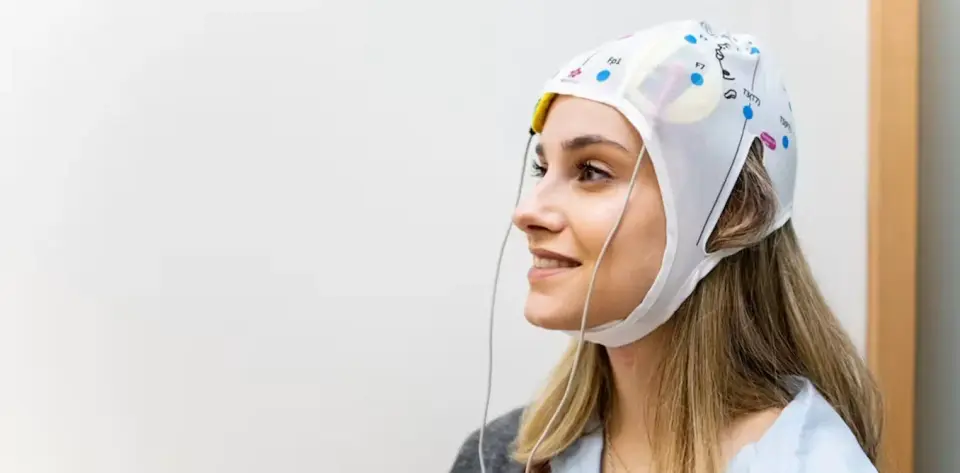
Researchers are advancing non-invasive brain stimulation techniques to enhance neuroplasticity and accelerate the learning of physical and cognitive skills. While early studies showed mixed results due to individual variability and lack of targeted precision, new methods using focused ultrasound and computational modeling aim to stimulate specific neural circuits at optimal times. The field faces challenges in standardizing outcomes and regulating consumer devices, which are increasingly available for performance enhancement without medical oversight.
Key points
- Non-invasive techniques like transcranial direct current stimulation (tDCS) and focused ultrasound aim to alter neural activity to boost neuroplasticity.
- Early research on motor learning showed inconsistent results, with some studies failing to replicate initial successes due to individual differences in anatomy and genetics.
- New approaches focus on targeting specific neural circuits at precise moments during practice, leveraging the principle that simultaneous neural firing strengthens connections.
- Consumer brain stimulation devices are available for cognitive enhancement without regulatory approval, raising concerns about access and safety standards.
- The technology holds potential for medical recovery, such as post-stroke rehabilitation, but reliable application for general performance enhancement remains a challenge.
Background
Recent studies have explored rhythmic stimulation for emotional control in anxiety and vagus nerve stimulation for long-term motor retention, highlighting the complexity of individual responses to neural interventions. Additionally, research on language learning suggests that cognitive engagement can strengthen brain structure, providing a baseline for understanding how external stimulation might augment these natural processes.
Why it matters
As brain stimulation moves from clinical trials to consumer markets, the lack of standardized evidence and regulation creates risks for users seeking performance enhancement. The potential to accelerate skill acquisition in sports, music, and surgery could reshape training paradigms, but without proper oversight, the technology may lead to uneven access and unverified benefits.
What to watch
Researchers are refining stimulation protocols using neuroimaging to predict current flow and target deep brain structures. Regulatory frameworks are expected to evolve as consumer devices proliferate, potentially requiring new standards for safety and efficacy in non-medical contexts.
Want the full story? Read the original reporting
Read on The Conversation