
Genetic Mystery Solved: 5kb Deletion Causes Orange Cat Fur
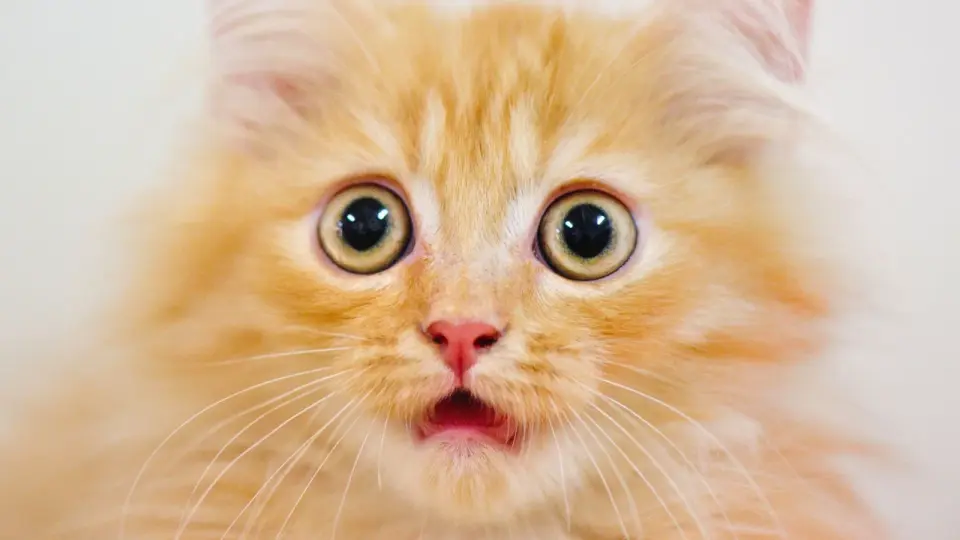
After 60 years of research, scientists have identified the specific genetic cause for orange cat fur. Two independent teams discovered that a 5 kilobase deletion in the non-coding region of the Arhgap36 gene on the X chromosome leads to overexpression of this gene in melanocytes. This overexpression shifts pigment production from dark eumelanin to reddish pheomelanin. The X-linked nature of the mutation explains why most orange cats are male, while females often display calico or tortoiseshell patterns due to random X-chromosome inactivation.
Key points
- A 5 kilobase deletion in the non-coding region preceding the Arhgap36 gene is responsible for orange fur in cats.
- This deletion causes Arhgap36 to be expressed 13 times more in the skin cells of orange cats compared to non-orange cats.
- The mutation is located on the X chromosome, explaining the sex-linked distribution of orange fur.
- Males with the mutation are typically solid orange, while females often have patchy orange and black fur due to random X-chromosome inactivation.
- The overexpression of Arhgap36 suppresses dark pigment genes, shifting production toward reddish pheomelanin.
- The findings were confirmed by two independent research teams and published in Current Biology.
Background
The genetic basis for orange cat fur had been a longstanding mystery in feline genetics, with the specific gene responsible remaining unidentified for over 60 years. While the X-linked nature of the trait was known, the exact mechanism was unclear. This new research resolves that mystery by pinpointing a specific deletion in the Arhgap36 gene. The archive contains no relevant background on this specific topic, as the previous entry concerns apex scavenger feeding habits.
Why it matters
This discovery resolves a 60-year-old genetic mystery and provides a clear molecular explanation for one of the most recognizable coat colors in cats. It clarifies why orange fur is predominantly found in males and how it manifests in females, linking a specific DNA deletion to pigment production. The findings also debunk the popular myth that orange cats are less intelligent, as the mutation affects only melanocytes and has no known negative impact on health or cognition.
What to watch
Researchers will likely investigate the broader implications of Arhgap36 overexpression in other species, given its known role in developmental problems when misregulated. Further studies may explore the precise mechanisms by which the 5 kilobase deletion affects gene expression and pigment cell development.
Want the full story? Read the original reporting
Read on ScienceAlert