Tag

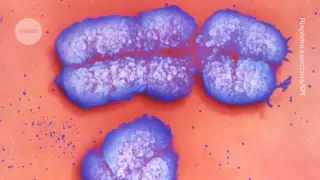
X Chromosome

All articles tagged with #x chromosome

Ancient mating bias reshapes modern DNA: Neanderthal men, modern women
science1 month ago

Ancient mating bias reshapes modern DNA: Neanderthal men, modern women

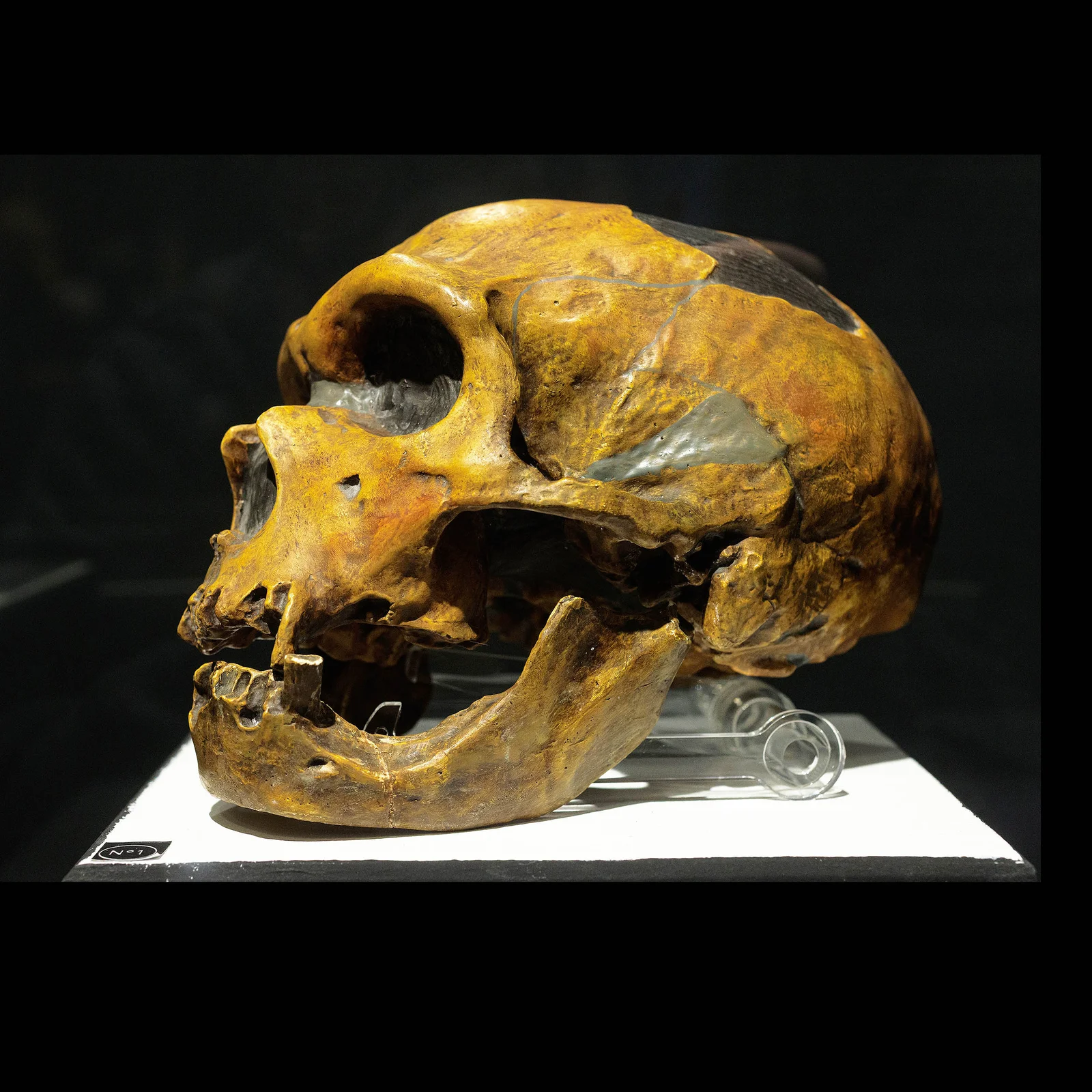
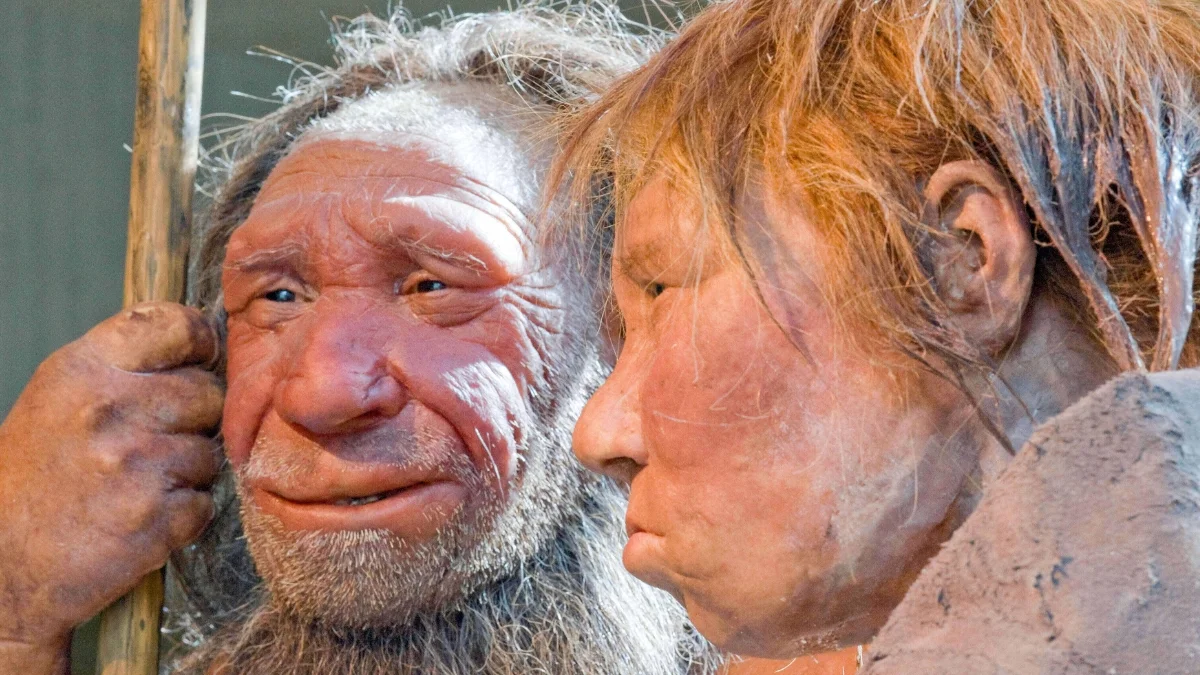
New research from the Tishkoff lab shows that Neanderthal DNA on the human X chromosome is surprisingly scarce, while modern-human DNA is enriched on Neanderthal X chromosomes by about 62% compared with their other chromosomes. This pattern points to sex-biased interbreeding where Neanderthal males mated with anatomically modern human females, shaping the modern genome more through mating dynamics than simple genetic incompatibility. Published in Science, the findings suggest ancient social patterns left a lasting imprint on our DNA and offer new insight into human evolution.

X-Chromosome Clue Points to Ancient Neanderthal-Human Mating Bias
science1 month ago

X-Chromosome Clue Points to Ancient Neanderthal-Human Mating Bias

A new genetic analysis finds Neanderthal DNA is underrepresented on the human X chromosome while a human fingerprint appears on the Neanderthal X, suggesting that ancient mating favored human females with Neanderthal males. The pattern is attributed to mating behavior and social interactions rather than purely Darwinian survival, though other explanations aren’t ruled out.

DNA clues reveal sex-biased mating between Neanderthal men and modern humans
science1 month ago

DNA clues reveal sex-biased mating between Neanderthal men and modern humans

A Science study finds Neanderthal men and anatomically modern human women interbred more than the reverse, as Neanderthal DNA is disproportionately found on the human X chromosome. The result points to sex-biased gene flow and raises questions about the social dynamics behind these ancient matings, which researchers are looking to explore further.

Sex-biased interbreeding left a lasting Neanderthal DNA pattern in modern humans
anthropology1 month ago

Sex-biased interbreeding left a lasting Neanderthal DNA pattern in modern humans

A genetic analysis comparing Neanderthal genomes with African references shows Neanderthals carried far more modern human DNA on their X chromosome than on other chromosomes, while modern humans have very little Neanderthal DNA on their X. The researchers argue that this pattern results from sex-biased interbreeding—likely Neanderthal males with modern human females—rather than widespread genetic incompatibility. Computer simulations using a mating bias reproduce the observed distribution, suggesting social/partner-choice factors shaped inheritance. The team plans to investigate population structure to determine which sex moved between groups and how cultural practices influenced mating in ancient encounters.

Male Neanderthals more often paired with human women, new study finds
science1 month ago

Male Neanderthals more often paired with human women, new study finds

A new Science study finds interbreeding between Neanderthals and modern humans was strongly sex-biased, with mating preferentially between male Neanderthals and female Homo sapiens. This bias helps explain the “Neanderthal deserts” on the human genome, especially the scarcity of Neanderthal DNA on the X chromosome, and why Neanderthal genes are unevenly distributed across non-African populations. Analyzing genomes from African populations with no Neanderthal ancestry and comparing them to Neanderthal genomes, the researchers conclude mate preference best accounts for the pattern, while noting that other evolutionary factors may also have contributed and that future work will explore Neanderthal social structures.

X Chromosome Gene Linked to Higher Multiple Sclerosis Risk in Women
health-and-science5 months ago

X Chromosome Gene Linked to Higher Multiple Sclerosis Risk in Women

A study suggests that an X-linked gene called KDM6A, which is more active in women, may contribute to higher rates of multiple sclerosis in women by promoting brain inflammation. Deleting this gene in female mice reduced symptoms, and the drug metformin showed potential in calming inflammation, indicating sex-specific treatment possibilities.

Scientists Uncover Reasons Behind Women's Higher Alzheimer’s Risk
health9 months ago

Scientists Uncover Reasons Behind Women's Higher Alzheimer’s Risk

Women are nearly twice as likely as men to develop Alzheimer's disease, a disparity linked to biological factors such as X chromosome-linked genes and hormonal changes like menopause. Research suggests that genetic and hormonal differences influence brain vulnerability, and timing of hormone therapy may impact disease progression. Understanding these sex-based differences could lead to more personalized treatments for Alzheimer's.

"Gender Disparity in Autoimmune Disease Prevalence"
health2 years ago

"Gender Disparity in Autoimmune Disease Prevalence"

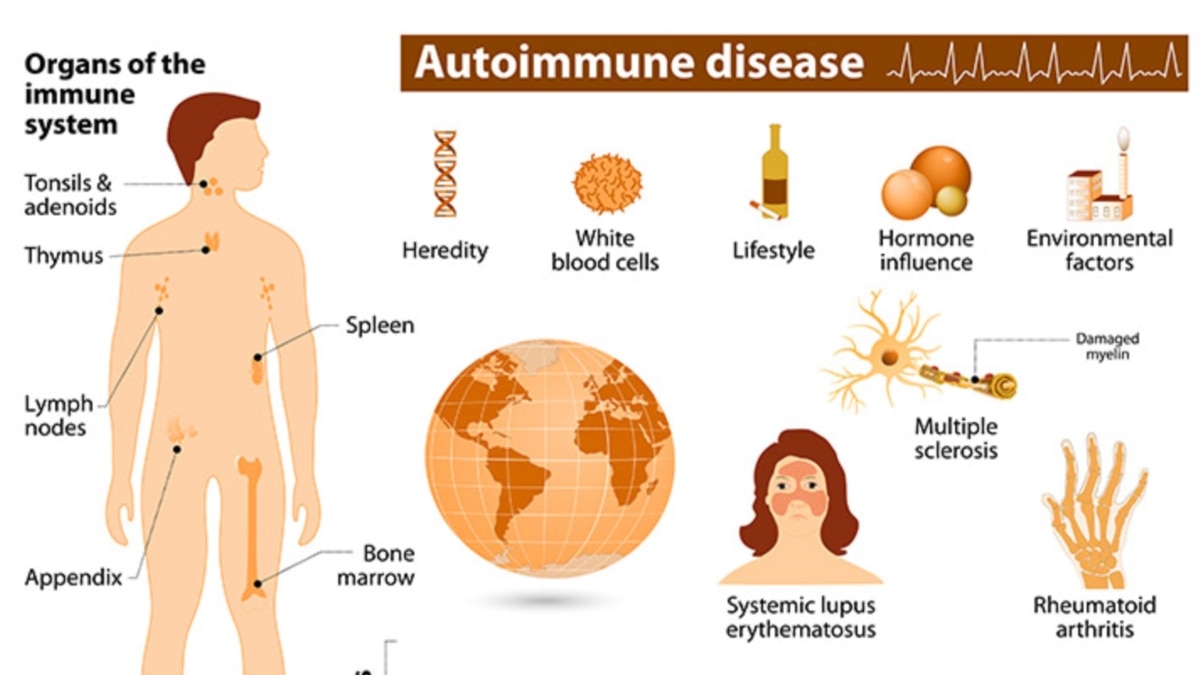
New research from Stanford University suggests that the higher prevalence of autoimmune diseases in women may be connected to the X chromosome. The study found that a special RNA molecule, Xist, which is only present in women, may organize proteins in a way that activates the immune system, potentially leading to autoimmune disorders. While more research is needed, the findings could help doctors diagnose patients more efficiently and shed light on the underlying causes of autoimmune diseases affecting millions of Americans.

Unraveling the Mystery: Why Women Are More Prone to Autoimmune Diseases
health2 years ago

Unraveling the Mystery: Why Women Are More Prone to Autoimmune Diseases

New research suggests that a molecule called Xist, found on the X chromosome in females, may trigger a defense response in women, leading to a higher risk of autoimmune diseases. This molecule, when present in female cells, could confuse the immune system into attacking healthy cells, potentially explaining the female bias in autoimmune diseases. While more research is needed to confirm this theory, understanding the role of Xist could lead to earlier detection and more effective treatments for autoimmune diseases.

Uncovering the Key Factors Behind Women's Higher Risk of Autoimmune Diseases
health2 years ago

Uncovering the Key Factors Behind Women's Higher Risk of Autoimmune Diseases

New research suggests that a molecule called Xist, found on the X chromosome in females, may trigger a defense response in women, leading their immune system to attack healthy cells and potentially explaining why women are at a greater risk of autoimmune diseases. The study proposes that Xist molecules, which are unique to females due to their two X chromosomes, could confuse the immune system into developing antibodies that attack Xist. While some researchers caution that more investigation is needed to confirm this theory, the findings could pave the way for new tests and more effective treatments for autoimmune diseases.

"Uncovering the X Factor: The Link Between Women and Autoimmune Diseases"
health2 years ago

"Uncovering the X Factor: The Link Between Women and Autoimmune Diseases"

New research suggests that the molecule Xist, found on the X chromosome in females, may trigger a defense response in women, leading their immune system to attack healthy cells and potentially explaining why women are more prone to autoimmune diseases. The study proposes that when female cells die, the immune system may encounter Xist molecules with attached proteins, confusing it into developing antibodies that attack Xist. While some researchers caution that more research is needed to confirm this theory, the findings could pave the way for new tests and more effective treatments for autoimmune diseases.