A 2020 study suggests that massive solar installations in the Sahara could alter global weather patterns. Darker panels absorb more heat than sand, potentially increasing local rainfall and shifting atmospheric circulation. This could lead to droughts in the Amazon and increased Arctic warming, highlighting unintended consequences of large-scale clean energy projects.
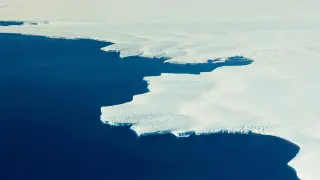
A study in Nature reveals that sustained warming in the tropical warm pool from 2021 to 2023 caused a record 695 billion-ton ice gain in East Antarctica. This temporary surge, driven by atmospheric Rossby waves and increased snowfall, contrasts with the continent's long-term loss of 140.5 billion tons annually. While significant, this event does not reverse the overall decline of the Antarctic Ice Sheet, which remains vulnerable to melting in West Antarctica and parts of East Antarctica.
A study published in Nature reveals that East Antarctica gained a record 695 billion tons of ice between 2021 and 2023. This temporary surge, driven by tropical Pacific and Indian Ocean warming, did not reverse the continent's long-term trend of losing 140.5 billion tons annually. The finding highlights how distant ocean conditions can influence polar snowfall.
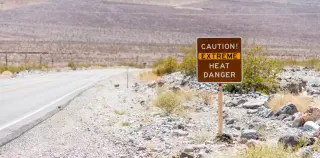
Deserts are defined by receiving very little precipitation (less than 250 mm per year), not by temperature, and they occur around 30 degrees north and south due to global atmospheric circulation. The hottest air on Earth has been recorded in Death Valley (134°F/56.7°C), while the hottest ground temperature was in Iran’s Lut Desert (177.4°F/80.8°C). Deserts stay scorching because (1) dry air means few clouds to block sunlight, so the sun heats the ground directly; (2) sand and rock have low specific heat, so they heat up quickly and cool fast at night; (3) little evaporation due to sparse plant cover means minimal evaporative cooling. Global warming is intensifying desert heat, making deserts hotter, drier, and more prone to desertification, though some regions may green if shifting wind patterns bring more rainfall. The piece also highlights the broader link between atmospheric circulation and desert locations, and features a Curious Kids Q&A to encourage questions about climate and deserts.
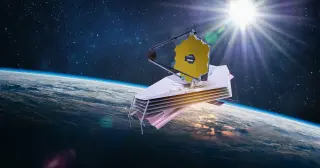
JWST mapped WASP-121b’s atmosphere longitude by longitude during a single transit as the planet rotated, revealing a hotter, expanded evening limb with water dissociation and a cooler morning limb possibly hosting silicate clouds; this rotational‑transit effect shows strong day–night circulation on this ultra-hot Jupiter (dayside ~2770 K, nightside ~1000 K) and highlights how limb-averaged spectra can miss key chemistry and cloud features.
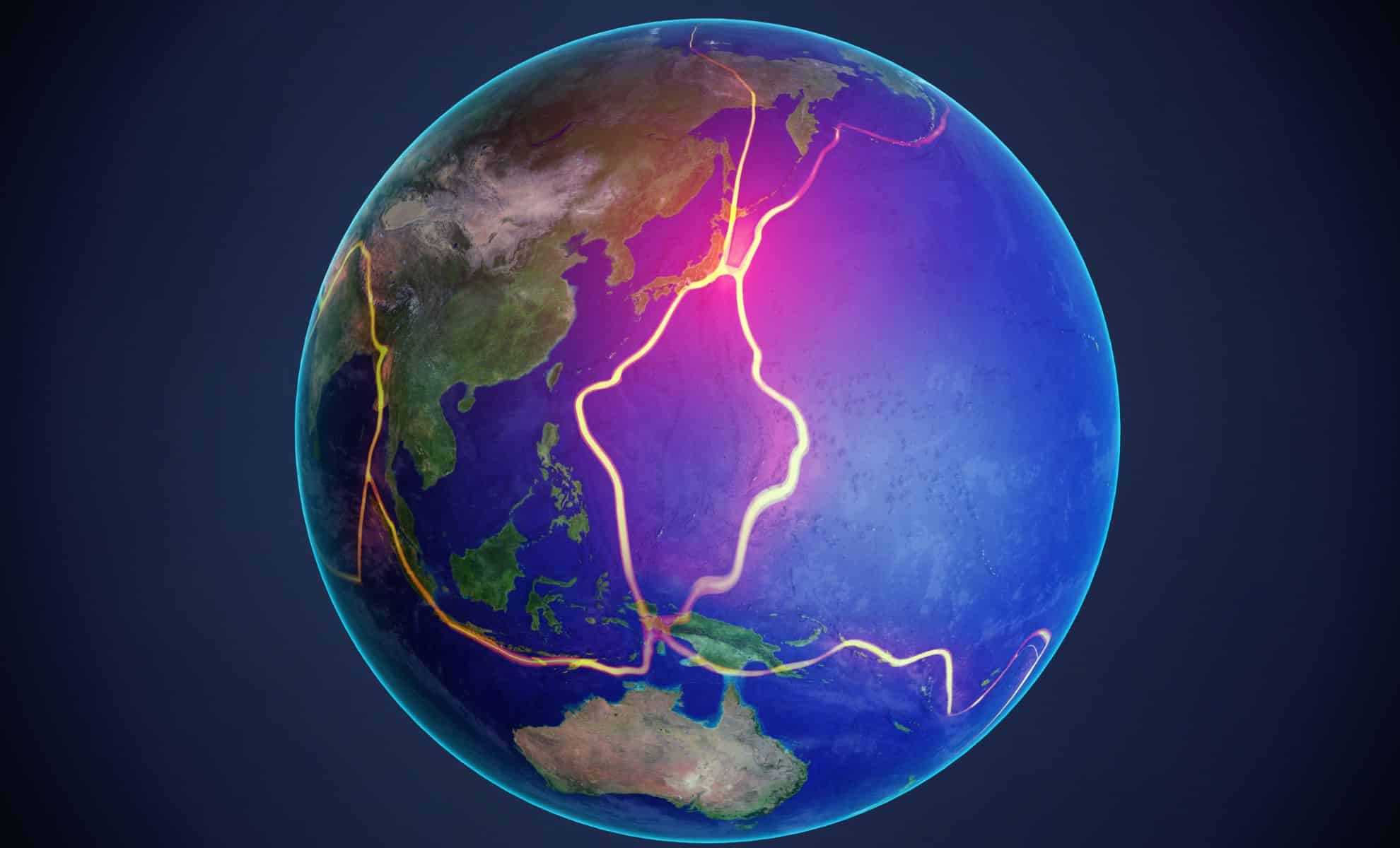
A study reveals that two ocean bands near 40° latitude in both hemispheres are warming faster than ever, driven by shifts in wind patterns and ocean currents, with significant implications for climate, weather, and marine life.
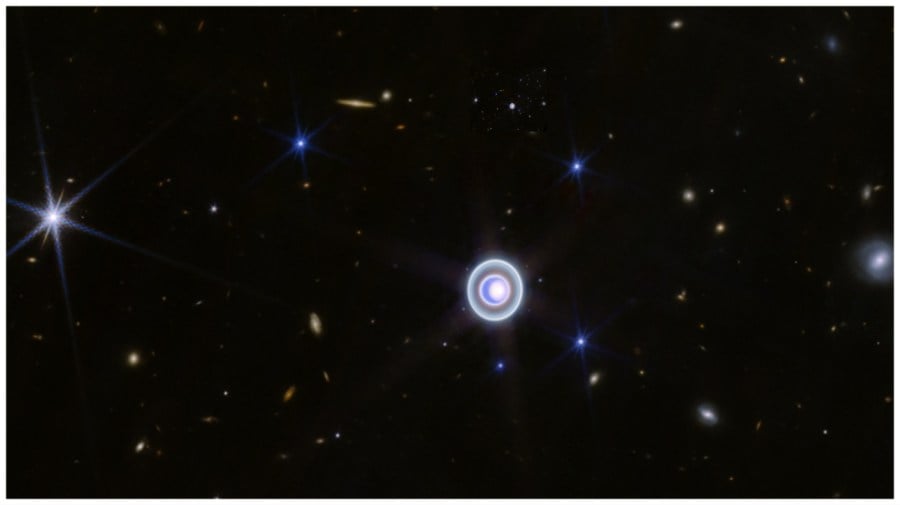
A study using Hubble observations over 20 years found that Uranus's structure and brightness have changed significantly, with complex atmospheric circulation patterns and variations in polar regions related to seasonal changes.
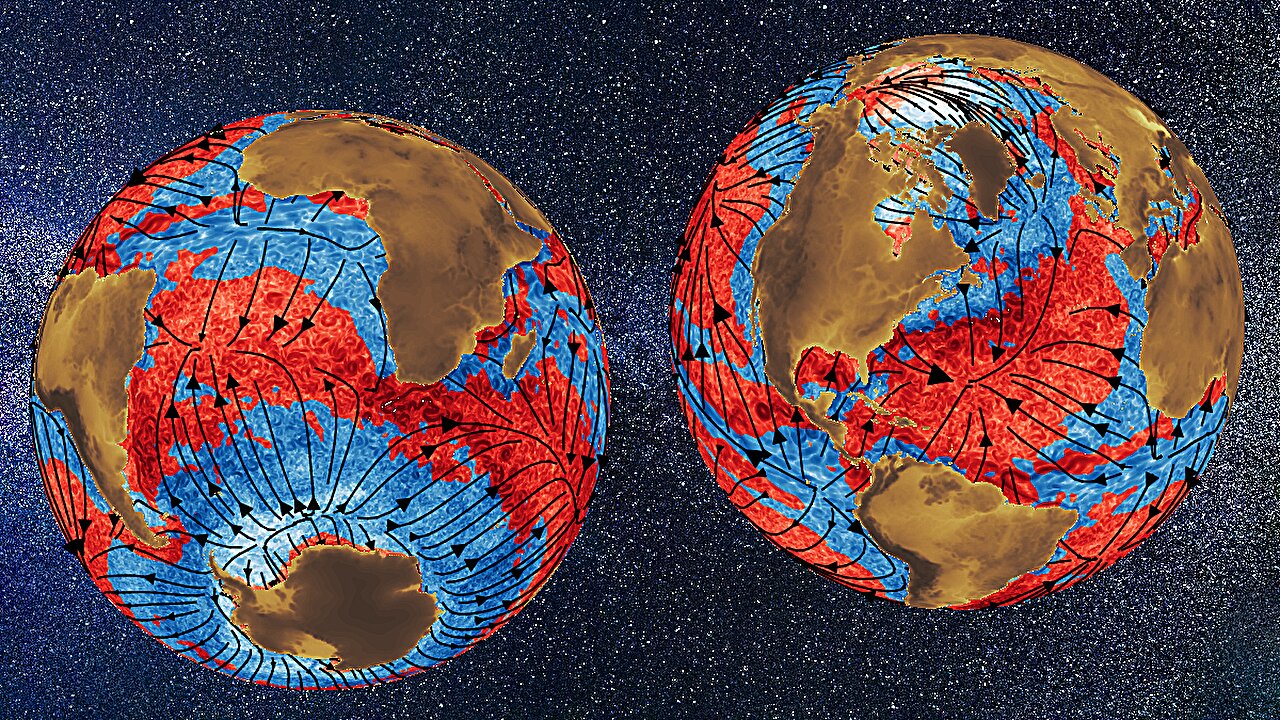
Scientists have discovered a direct link between ocean weather systems and global climate, using a mechanical analysis approach instead of statistical methods. The study, led by researchers at the University of Rochester, found that oceanic weather patterns interact with climate scales, with energy transfer occurring in a pattern that mirrors the global atmospheric circulation. The researchers also identified the role of the intertropical convergence zone in producing ocean turbulence. This mechanistic analysis provides a promising framework for understanding the climate system and its connection to extreme weather events.
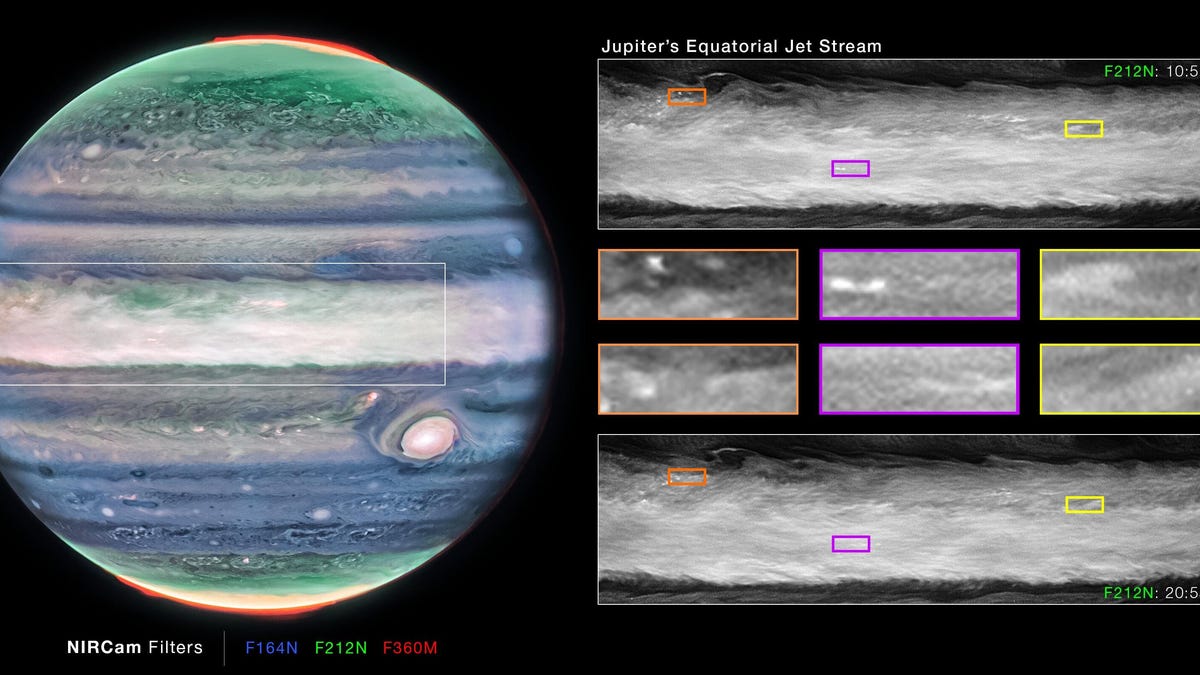
The Webb Space Telescope has detected a high-speed jet shooting across the equator of Jupiter, traveling at about 320 miles per hour and located in Jupiter's lower stratosphere. This discovery suggests that Jupiter's atmosphere may be more dynamic than previously thought. The jet was tracked using visible wind shears in the image taken by Webb's Near-Infrared Camera. The finding indicates that Jupiter's atmospheric circulation around its equator is more similar to Saturn than previously known. Future missions, such as the ESA's JUICE and NASA's Europa Clipper, will provide more detailed observations of Jupiter and its moons.
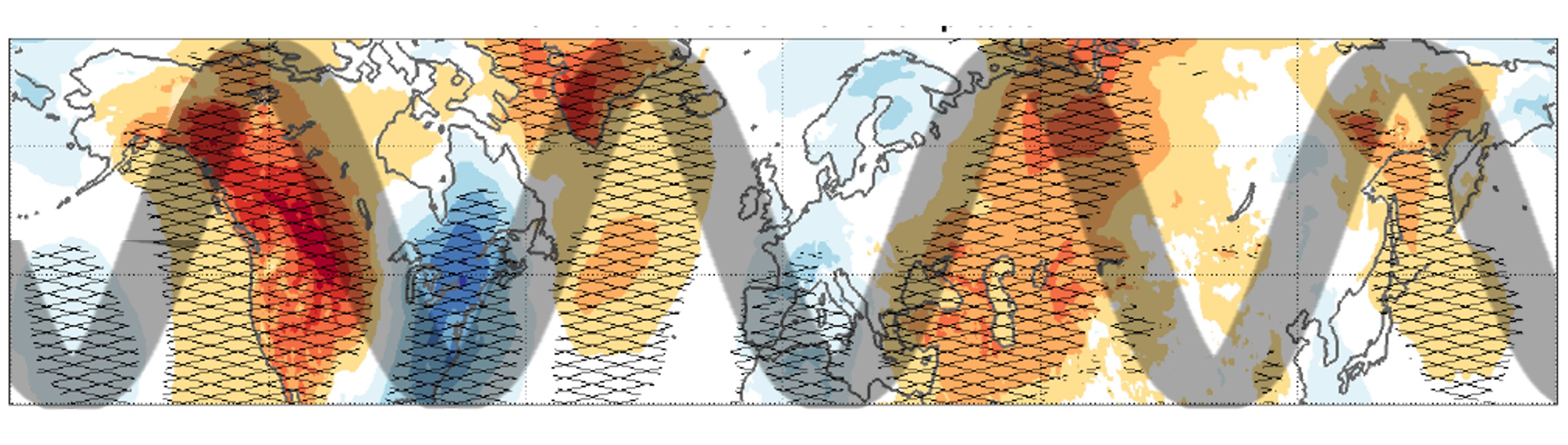
A new study has identified a jet-stream pattern known as a wave-4 that locks in extreme winter cold or wet conditions over North America and Europe for weeks at a time. These weather waves have doubled in frequency since the 1960s and have caused significant damage and loss of life. While winters are getting milder on average, the study highlights the increasing risk of extreme cold and wet events. The researchers suggest that the destabilization of the jet stream due to rapid warming in the Arctic may be contributing to the amplification of these weather patterns. Understanding the mechanisms behind these patterns could help improve predictions and mitigate the impacts of extreme weather events.
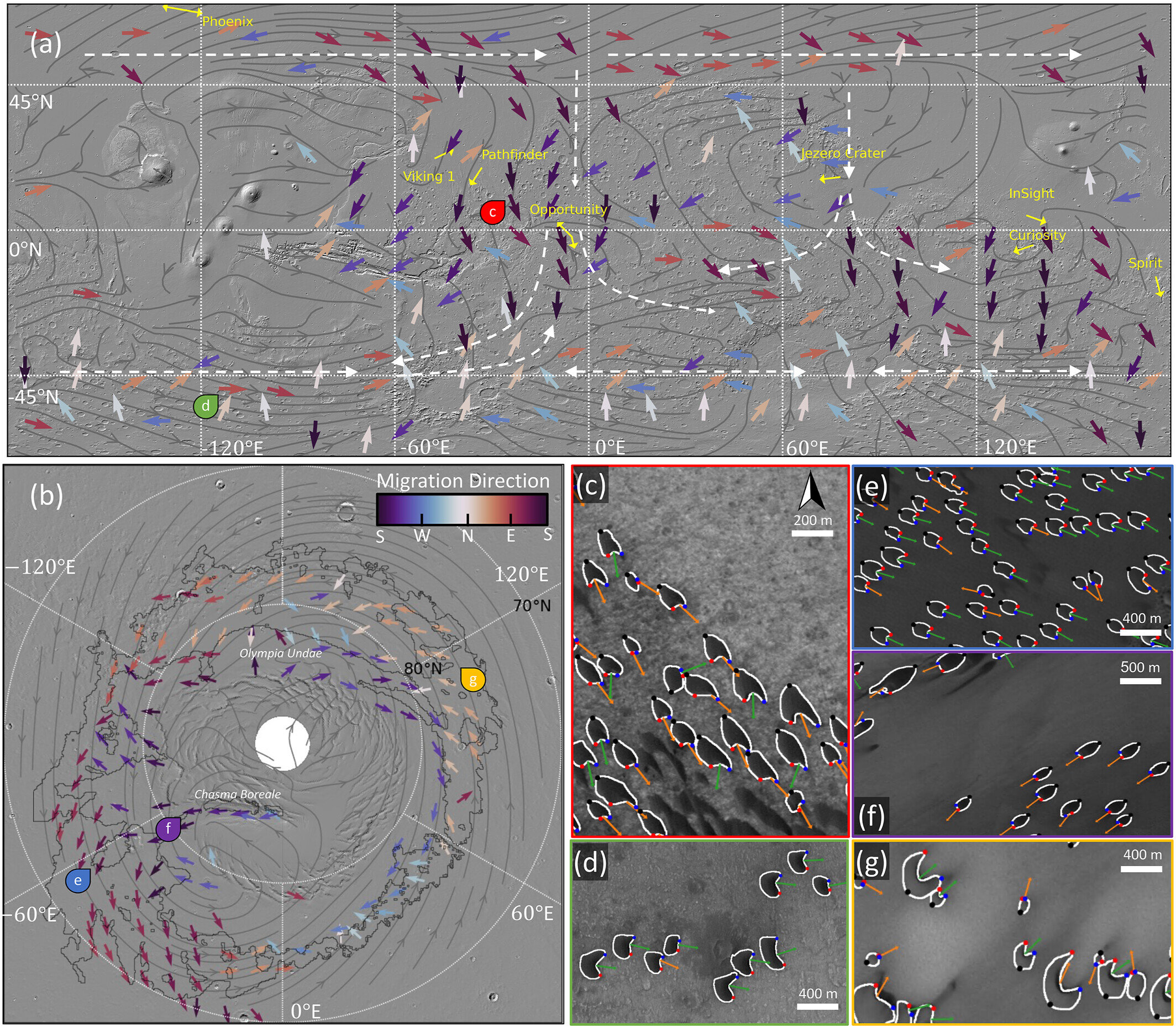
Machine learning has been used to analyze the morphology of barchan dunes on Mars, revealing the planet's atmospheric wind patterns. The study found that localized topography, such as impact craters, can deflect winds and influence dune formation. The research identified distinct patterns in dune migration related to summer atmospheric circulation, with northward-directed winds at mid-latitudes and cyclonic circulation near the north pole. At latitudes above 45°N, dune migration patterns are easterly, matching the cyclonic polar vortex circulation. The study provides valuable insights for understanding Mars' meteorological activities and supporting future manned missions to the planet.