
Orbital AI Data Centers Face Backlash Over Climate and Light Pollution Risks
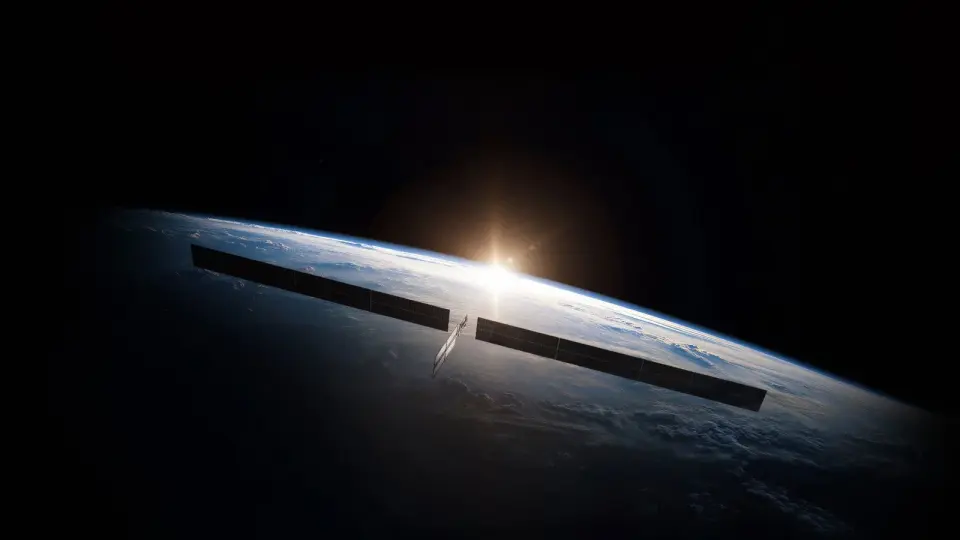
SpaceX, Amazon, and Blue Origin have filed FCC applications for over one million orbital AI data centers, a move that could increase satellite launches by 100 times. While proponents argue this reduces terrestrial energy strain, scientists warn of severe atmospheric pollution from rocket propellants and reentry debris, as well as catastrophic light pollution that would create visible 'rings' around Earth.
Key points
- Combined filings from SpaceX, Amazon, and Blue Origin seek approval for more than one million orbiting data centers within the next decade, with SpaceX aiming to operate a million-satellite 'Starmind' constellation alone.
- The Electric Power Research Institute forecasts that AI data centers could account for 17% of U.S. electricity consumption by 2030, driving the push for space-based solar power to mitigate grid strain.
- Atmospheric scientists warn that the increased mass of these satellites will require more polluting propellant for launches and cause significant metal vaporization during reentry, potentially reaching tipping points in Earth's upper atmosphere.
- A study titled 'Rings in the Sky' by researchers from the University of Regina, British Columbia, and Toronto predicts that sun-synchronous orbits will create dense, reflective ring structures visible from the ground, severely disrupting night skies and ground-based astronomy.
- The proposed 1.2 million satellites would dwarf the current 16,000 active satellites by more than 75 times, raising concerns about orbital congestion, collision risks, and space debris.
Background
This development follows earlier expansions in low-Earth orbit infrastructure, such as Amazon's Leo network surpassing 390 satellites and SpaceX's entry into satellite servicing. Previous concerns regarding geosynchronous debris and the need for robust positioning systems highlight the growing complexity and potential risks of increasing orbital traffic.
How outlets are covering it
Space.com emphasizes the environmental and atmospheric consequences, noting that the scale of these constellations could trigger dangerous pollutant concentrations. The Times of India focuses on the visual impact, citing a new paper that describes the proposed orbits as 'horrifying' and likely to turn Earth into a 'ringed planet' due to light pollution. Yahoo Finance highlights the commercial optimism, noting Rocket Lab's CEO views this shift as a 'real opportunity' driven by exploding computing demand, while The New Stack questions the technical viability of using space for data center cooling.
Why it matters
The potential deployment of a million orbital data centers represents a fundamental shift in how AI infrastructure is powered and cooled, with profound implications for global climate policy, atmospheric chemistry, and the accessibility of the night sky for scientific research.
What to watch
Regulators will need to evaluate the FCC applications for these massive constellations, balancing the demand for AI compute against environmental and astronomical concerns. Industry players may face increased scrutiny regarding the long-term sustainability and safety of such large-scale orbital deployments.
- SpaceX wants to put 1 million AI satellites in orbit. What would that do to Earth's climate? Space
- Why space is actually a terrible place to cool a data center The New Stack
- Scientist are not happy with Spacex, Amazon and other companies’ plan to build millions of 'data centers’ in Space; raise 'Night Sky' warning The Times of India
- Rocket Lab CEO Sees AI Data Centers Moving Into Space as Computing Demand Explodes: ‘Real Opportunity’ (UPDATED) Yahoo Finance
- Data centers in space? NASA's head honcho says, why not? WFMZ.com
Want the full story? Read the original reporting
Read on Space