
Starfish Space Launches First Full-Scale Otter for NASA Debris Inspection
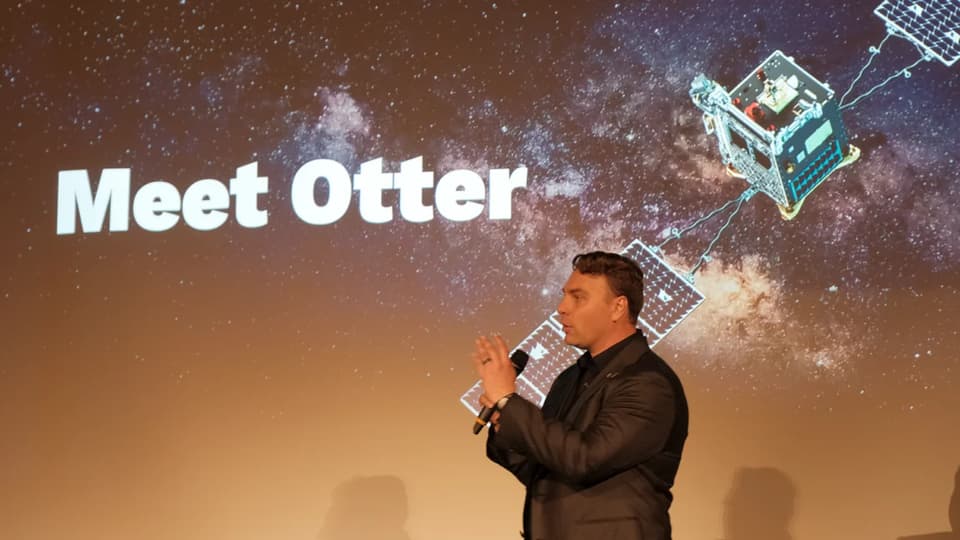
Starfish Space is launching its first full-scale Otter spacecraft in October to inspect defunct satellites for NASA. The mission, valued at $15 million, marks the company's transition from prototype testing to operational commercial space servicing.
Key points
- The Otter spacecraft, weighing approximately 300-350 kg, will launch on SpaceX's Transporter-18 rideshare mission no earlier than October 1, 2026.
- The SSPICY mission will inspect multiple defunct U.S. satellites in low Earth orbit, measuring spin rates and surface conditions to assess debris risks.
- Starfish Space, founded in 2019 by ex-Blue Origin engineers, has raised $150 million and employs over 120 people to develop this technology.
- The company is preparing five additional Otters for future missions, including deorbiting and life-extension services for the Pentagon and commercial clients.
Background
Starfish Space was founded in October 2019 by Trevor Bennett and Austin Link, both former Blue Origin engineers, to address the growing volume of satellites in low Earth orbit. The company initially focused on extending the life of geostationary satellites and managing debris in low Earth orbit. Over the past seven years, the company has conducted several demonstration missions, including the Otter Pup 1 launch in 2023 and Otter Pup 2 in 2025, which successfully demonstrated close-proximity operations and docking capabilities.
How outlets are covering it
Ars Technica emphasizes the emotional and historical significance of the launch, highlighting the resilience of the company through the pandemic and the 'tension' of a first-of-its-kind flight. GeekWire focuses on the commercial and local Seattle impact, noting the company's growth to 120 employees and its upcoming contracts with the Space Development Agency and Space Force. KeepTrack provides a technical overview, detailing the specific inspection parameters and the broader context of orbital debris, while also noting the launch schedule adjustments for Transporter-18. All sources agree on the $15 million NASA contract and the October launch window, but differ in emphasis: Ars on the milestone, GeekWire on the business expansion, and KeepTrack on the technical specifics of the debris inspection.
Why it matters
The successful launch of the Otter spacecraft represents a critical step in commercializing satellite servicing and debris removal in low Earth orbit. As the number of satellites in orbit increases, the ability to inspect, service, and deorbit defunct satellites becomes essential for maintaining orbital sustainability. Starfish Space's success could pave the way for a new industry of space-based maintenance and cleanup, reducing the risk of collisions and extending the life of valuable assets in orbit.
What to watch
Starfish Space expects the SSPICY mission to last approximately two years, during which the Otter will inspect multiple satellites. The company is also preparing five additional Otters for future missions, including deorbiting and life-extension services for the Pentagon and commercial clients. The company aims to accelerate its manufacturing process to build a fleet strategy, with each Otter currently taking about 18 months to produce.
- After seven years, a spacecraft company is releasing its Otters into the wild Ars Technica
- With NASA’s backing, Starfish Space is getting ready for the orbital debut of its flagship Otter spacecraft GeekWire
- Starfish Space ready to launch its first Otter spacecraft SpaceNews
- Starfish Space Readies First Debris Inspector, Space Brief 25 Sep 2026 KeepTrack
- Starfish Space’s Debut Otter Vehicle Hitches a Ride on SpaceX’s Transporter-18 Launch satellitetoday.com
Want the full story? Read the original reporting
Read on Ars Technica