
AMD promises FSR 4 for handhelds and APUs by year-end, but existing devices may be left out
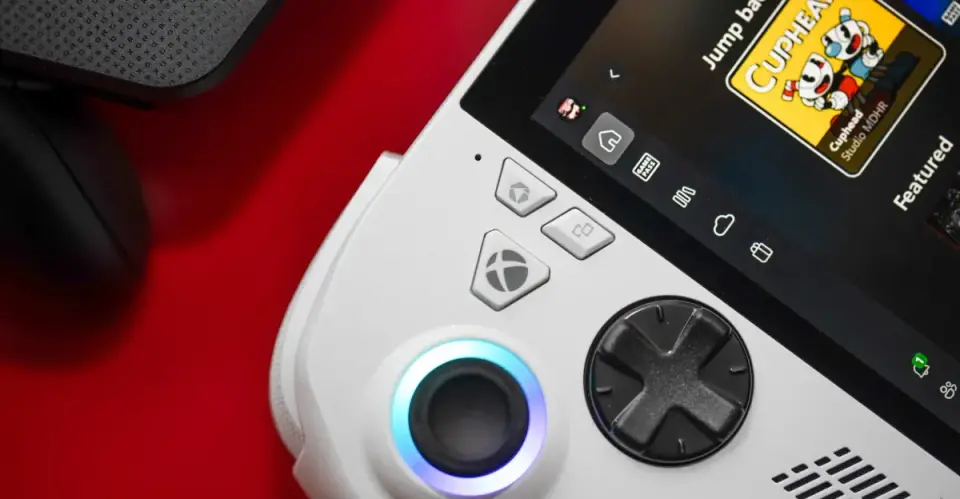
AMD executive Jack Huynh confirmed that the company will expand its FSR 4 upscaling technology to APUs, gaming laptops, and handheld devices by the end of 2026. While the feature is already available on some older handhelds via third-party tools, official support for integrated graphics chips remains uncertain. The rollout will likely require new hardware, such as the upcoming Ryzen Z3 or 'Gainsborough' chips, as AMD previously cited insufficient compute power in older devices.
Key points
- Jack Huynh, AMD’s consumer chip boss, stated that FSR 4 will be available across the entire product line, including APUs and handhelds, by the end of 2026.
- The expansion involves two directions: launching new APUs and providing a lightweight FSR 4 model for existing APUs, according to The Elec.
- It remains unclear if existing handhelds will receive official support, as AMD previously indicated that older chips may lack the necessary compute power for the technology.
- Valve has not yet committed to bringing FSR 4 to the Steam Deck handheld, despite collaborating with AMD for the Steam Machine console.
- AMD did not immediately respond to requests for clarification regarding which specific handhelds will receive the update.
Background
In June 2026, AMD reserved the right to not officially support FSR 4 on older handhelds, citing quality concerns. Earlier this year, AMD introduced FSR 4 for desktop graphics cards and later expanded it to RDNA 3 hardware. At IFA 2026 in September, AMD highlighted consumer AI initiatives, including the Ryzen AI MAX 400. Leaks suggest Valve’s next Steam Deck will use an AMD 'Gainsborough' chip, which may be the first to officially support FSR 4.
How outlets are covering it
The Verge emphasizes the uncertainty surrounding whether existing handhelds will receive the update, noting that AMD’s statement implies a reliance on new hardware. Windows Central frames the announcement as a necessary move to compete with Intel’s Arc G3, questioning if the timing is sufficient. TechPowerUp highlights the technical differences between RDNA 4 and RDNA 3/3.5, noting that AMD must optimize FSR 4 for integrated graphics that lack native FP8 support. Community reactions on TechPowerUp are mixed, with some users criticizing AMD for delaying support despite community workarounds already existing.
Why it matters
FSR 4 is a key competitive feature for AMD in the handheld and laptop gaming market. Its expansion to APUs could significantly improve performance for users without discrete GPUs, but the lack of official support for existing devices may frustrate current customers and drive upgrades to new hardware.
What to watch
AMD is expected to launch new APUs and a lightweight FSR 4 model by the end of 2026. Valve may announce FSR 4 support for the Steam Deck 2 when it launches in late 2027 or early 2028. AMD may provide further clarification on which existing handhelds will receive the update.
- AMD will bring FSR 4 to handhelds by the end of 2026 The Verge
- "APUs, gaming laptops, and handheld devices" — AMD's superior FSR 4 upscaling is coming to the full product stack before 2027, but is it enough to keep up with Intel? Windows Central
- AMD's Jack Huynh: FSR 4 Is Coming to Handhelds via a New Lightweight Model Digital Foundry
- ROG Xbox Ally X owners could get a big graphics boost as AMD lays out plans for AI-based FSR 4 on existing Ryzen handhelds Yahoo Tech
- AMD Confirms FSR 4 Is Coming to APUs by the End of 2026 TechPowerUp
Want the full story? Read the original reporting
Read on The Verge