
2026 Climate Report: Earth's Vital Signs Hit Record Extremes Amid Accelerating Warming
A new report in BioScience finds that 7 of 16 planetary vital signs are at record extremes, with warming accelerating to 0.36°C per decade since 2010. While renewable energy grew, fossil fuel emissions remain at record highs, and El Niño is intensifying global heat.
Key points
- Seven of 16 climate markers, including CO2 levels and ocean heat, reached record extremes in 2026.
- Global warming has accelerated to 0.36°C per decade since 2010, up from 0.05°C per decade in the early 20th century.
- July 2026 was the warmest month ever for the contiguous U.S., and Europe saw an estimated 14,000 heat-related deaths.
- Renewable energy supplied 43% of global electricity in 2025, but fossil fuel consumption and emissions remain at record highs.
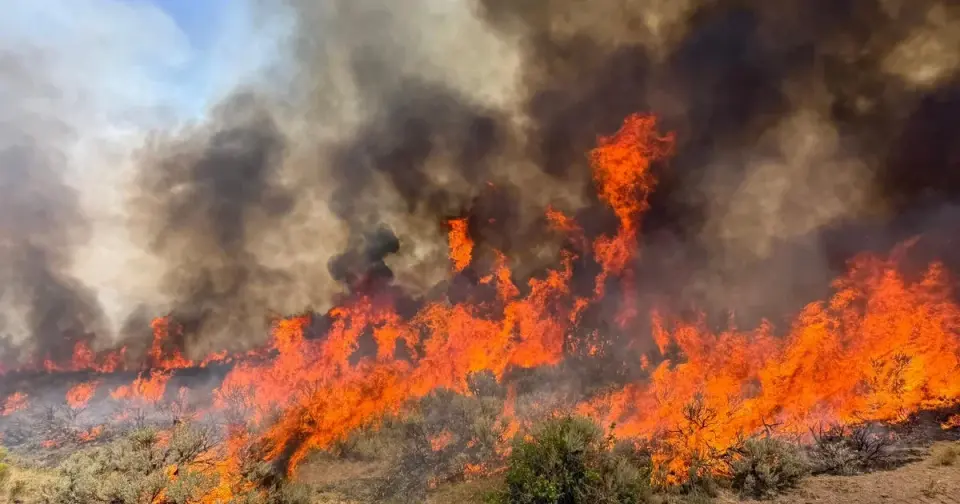
- A strengthening El Niño is expected to push global temperatures higher and exacerbate droughts and wildfires in vulnerable regions.
Background
This report follows earlier 2026 assessments, including a September Planetary Health Check that found 7 of 9 Earth systems breached safe limits. The current El Niño, projected to be the strongest on record, is intensifying global heat and extreme weather patterns.
How outlets are covering it
CBS News and Time emphasize the accelerating pace of warming and the risk of irreversible tipping points, while WIRED highlights the contrast between growing renewable energy and persistent fossil fuel reliance. The Washington Post notes the record-breaking heat and storms but stresses that solutions remain possible. All outlets agree that 2026 has been a year of extreme climate events, but they differ in tone: some focus on the urgency of action, while others highlight the potential for adaptation and technological progress.
Why it matters
The report underscores that climate change is no longer a future threat but a present reality, with rapid destabilization of Earth's systems. The acceleration of warming and the risk of crossing tipping points mean that immediate action is needed to prevent irreversible damage to ecosystems and human societies.
What to watch
The report calls for rapid reductions in greenhouse gas emissions, effective adaptation measures, and transformative societal changes. The strengthening El Niño is expected to push global temperatures higher in the coming months, and the world will need to monitor whether renewable energy growth can offset fossil fuel emissions.
- Climate change pushed Earth to its limits in 2026 as certain "vital signs" reach record extremes, report says CBS News
- The Earth’s vital signs are concerning, a new report says The Washington Post
- Earth’s Condition Is ‘Serious and Getting Worse’ as Climate Change Intensifies WIRED
- Climate Change Is Accelerating Faster Than We Can Respond, Scientists Warn Time Magazine
- Climate scientists issue a sobering diagnosis about Earth's 'vital signs' Scientific American
Want the full story? Read the original reporting
Read on CBS News