
July Jobs Report Shows 23,000 Losses as Administration Dismisses Data
The U.S. economy lost 23,000 jobs in July, with prior months revised downward by a combined 103,000. While the White House and administration officials dismissed the figures as statistical noise or temporary anomalies, economists and market analysts noted that labor force participation has hit a decade-low. The weak data complicates Federal Reserve policy, as Chair Kevin Warsh faces a dilemma between fighting inflation and supporting a slowing job market.
Key points
- The Bureau of Labor Statistics reported a net loss of 23,000 jobs in July, accompanied by downward revisions of 66,000 for May and 37,000 for June.
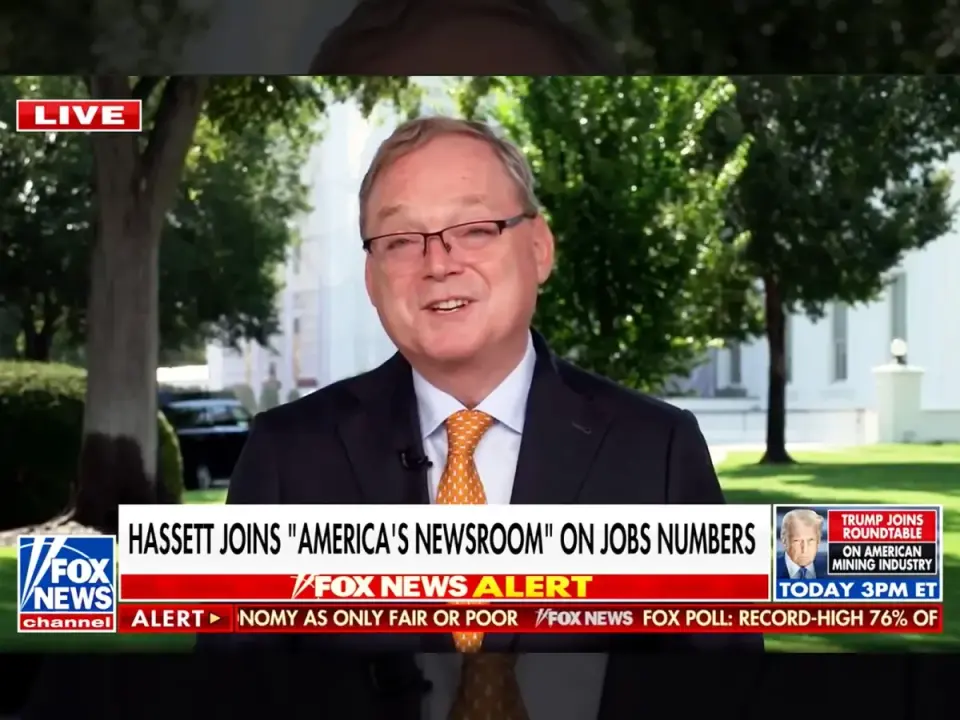
- White House chief economist Kevin Hassett argued that excluding World Cup temporary roles and local government cuts, the private sector actually gained 100,000 jobs.
- The employment-to-population ratio fell to 58.9%, its lowest level since September 2021, while the civilian labor force participation rate for those 16 and older hit a low not seen since February 2021.
- Manufacturing jobs declined by 14,000 year-over-year, with furniture production dropping over 12,000 positions despite tariff policies intended to boost the sector.
- Federal Reserve Chair Kevin Warsh faces a difficult decision in September, as rising bond yields and weak jobs data create conflicting signals for interest rate policy.
Background
Recent market movements had already reflected uncertainty regarding the labor market, with investors watching for signs of economic cooling. Prior to the July report, retail sales had shown eight consecutive months of growth, but sentiment surveys indicated a weakening labor market split not seen since 2021. This report follows a period where the Federal Reserve was expected to potentially raise rates to combat inflation, a strategy now complicated by the sudden drop in employment figures.
How outlets are covering it
Administration officials, including Kevin Hassett and Acting Labor Secretary Keith Sonderling, emphasized selective metrics, focusing on private sector gains and attributing losses to temporary World Cup effects or local government cuts. In contrast, Democratic leaders like Chuck Schumer and economists from the Center for Economic and Policy Research described the data as a 'patchwork economy fraying at the seams,' highlighting the decade-low participation rates. CNN analysts noted that while the economy grew at 1.5% in the previous quarter, the July report creates a 'meh-conomy' scenario where high inflation coexists with stagnant job growth, forcing the Fed to choose between tightening policy or risking further economic slowdown.
Why it matters
The divergence between official administration narratives and hard labor data affects consumer confidence and investment decisions. If the labor market continues to weaken while inflation remains elevated, the Federal Reserve may be forced to maintain higher interest rates, potentially increasing mortgage costs and slowing business investment. The long-term implications for manufacturing and local government services depend on whether these losses are temporary or indicative of a broader structural decline.
What to watch
The Federal Reserve will hold its next meeting in September, where it must decide whether to raise rates despite the weak jobs data. Investors will watch for further revisions to the labor statistics and any changes in the employment-to-population ratio. The administration may continue to highlight specific sector gains to counter the narrative of economic weakness, while opposition parties will likely use the data to criticize economic management.
- Kevin Hassett Thinks Ignoring the Dismal Jobs Numbers Makes Them Disappear Talking Points Memo
- 'Very little to like': Wall Street assesses surprise July jobs report as stocks jump Yahoo Finance
- The Fed was expected to hike interest rates in September. Don't bet on that now, economists say. CBS News
- Labor Market Shifts Into Reverse as Employers Balk at Hiring The New York Times
- How the weak jobs report could make inflation harder to manage cnn.com
Want the full story? Read the original reporting
Read on Talking Points Memo