
Houthis Strike Saudi Refinery and Yemeni Port Amid New Defense Pact
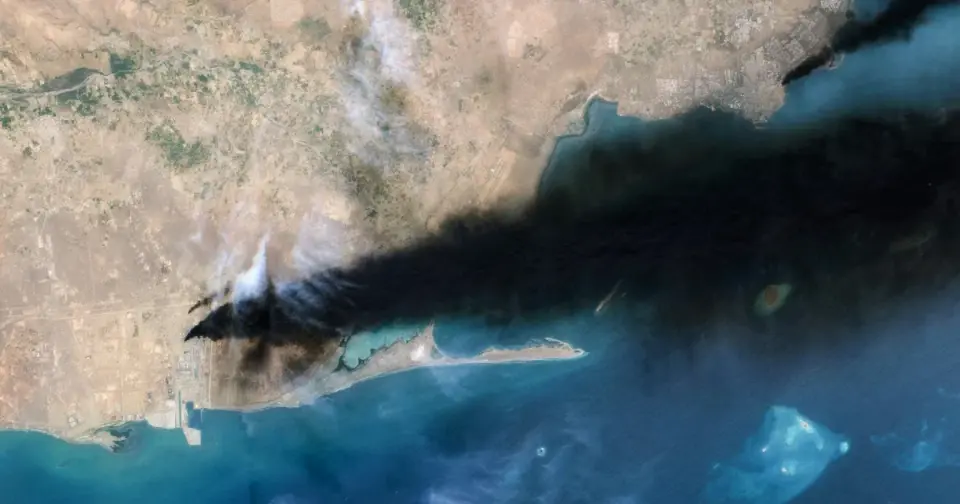
Yemen’s Iran-aligned Houthis claimed responsibility for a drone attack on Saudi Aramco’s Jazan refinery and missile strikes on the Red Sea port of Mocha. The attacks occurred two days after Saudi Arabia signed a defense pact with Turkey and Pakistan. Saudi officials reported a fire at the refinery was extinguished with no injuries, while Yemeni authorities stated the port strikes killed seven people and damaged infrastructure. These incidents coincide with stalled negotiations over the reopening of the Strait of Hormuz and rising tensions in the Red Sea.
Key points
- Houthis used a drone to target Aramco’s Jazan refinery, which processes 400,000 barrels of crude oil daily; Saudi energy officials confirmed a fire but stated it was extinguished with no casualties.
- Houthi spokesperson Yahya Saree confirmed missile and drone strikes on the port city of Mocha, which is controlled by the internationally recognized government in Aden and backed by Riyadh.
- Yemeni transportation officials reported severe damage to Mocha’s infrastructure and seven fatalities, describing the port as a vital civilian facility for maritime activity.
- The attacks followed the signing of a defense pact between Saudi Arabia, Turkey, and Pakistan, which stipulates that an attack on one member is considered an attack on all, though it remains unclear if Turkey or Pakistan will join a Saudi response.
- Iran’s supreme national security council stated the Strait of Hormuz would not reopen until the US ends its naval blockade, withdraws military forces, and compensates Iran for war damage, citing US violations of a June memorandum of understanding.
Background
This latest escalation follows a series of Houthi attacks on Saudi energy infrastructure and Yemeni ports in August 2026, including strikes on the Jazan refinery and Mocha port that resulted in multiple casualties. The current conflict is part of a broader regional instability triggered by the US-Israel war on Iran, which began in February 2026 and has led to Houthi blockades of Red Sea shipping and attacks on Gulf states. Previous incidents have highlighted the vulnerability of oil export hubs like Yanbu and Jazan to drone strikes, while diplomatic efforts to resolve the Strait of Hormuz crisis have remained stalled due to conflicting demands from Tehran and Washington.
How outlets are covering it
NBC News and The Guardian both confirm the Houthi claims regarding the Jazan refinery and Mocha port attacks, noting the timing relative to the new Saudi-Turkey-Pakistan defense pact. While both outlets report the Saudi energy ministry’s statement that the fire was extinguished without injuries, The Guardian provides additional context on Iran’s specific demands for the reopening of the Strait of Hormuz, including the need for the US to lift sanctions and release frozen assets. NBC News emphasizes the uncertainty regarding whether Turkey or Pakistan will participate in any Saudi military response, whereas The Guardian highlights the diplomatic deadlock between Iran and the US, noting that Oman is mediating but that final decisions rest with Iran’s supreme leader, Mojtaba Khamenei, who has not been seen publicly since an airstrike killed his father. Both sources agree that the attacks are part of a broader pattern of Houthi aggression linked to the ongoing US-Israel war on Iran, but The Guardian places greater emphasis on the internal political dynamics in Tehran and the stalled peace negotiations, while NBC News focuses more on the immediate military implications of the new defense alliance.
Why it matters
The attacks on critical energy infrastructure and civilian ports in the Red Sea region threaten to further disrupt global oil supplies and maritime trade routes. The timing of the strikes, immediately following the formation of a new defense pact between Saudi Arabia, Turkey, and Pakistan, raises questions about the effectiveness of collective deterrence in the region. Additionally, the continued closure of the Strait of Hormuz and the failure of peace negotiations between the US and Iran could lead to prolonged economic instability and increased military confrontation in the Middle East, with potential spillover effects on global energy markets and regional security dynamics.
What to watch
Analysts will monitor whether Turkey or Pakistan invoke the defense pact to support Saudi Arabia in response to the Houthi attacks. Diplomatic efforts between Iran and Oman to negotiate the reopening of the Strait of Hormuz will be closely watched, particularly regarding the US response to Iran’s demands for sanctions relief and compensation. Further Houthi strikes on Saudi energy facilities or Red Sea shipping lanes are possible if the current standoff persists, potentially escalating the conflict and impacting global oil prices and supply chains.
- Yemen’s Houthis attack Saudi Aramco Jazan refinery NBC News
- Yemen's Houthis attack Saudi refinery after kingdom signs defence pact reuters.com
- Iran-aligned Houthis claim they attacked oil refinery in Saudi Arabia The Guardian
- World in Brief: Houthis escalate attacks on Saudis; Israel rejects America’s Gaza plan The Economist
- Yemen's Houthis claim attack on Aramco oil facility in Saudi Arabia, and other Middle East news NPR
Want the full story? Read the original reporting
Read on NBC News