
Iran and Oman finalize temporary Hormuz corridor as US sanctions loom
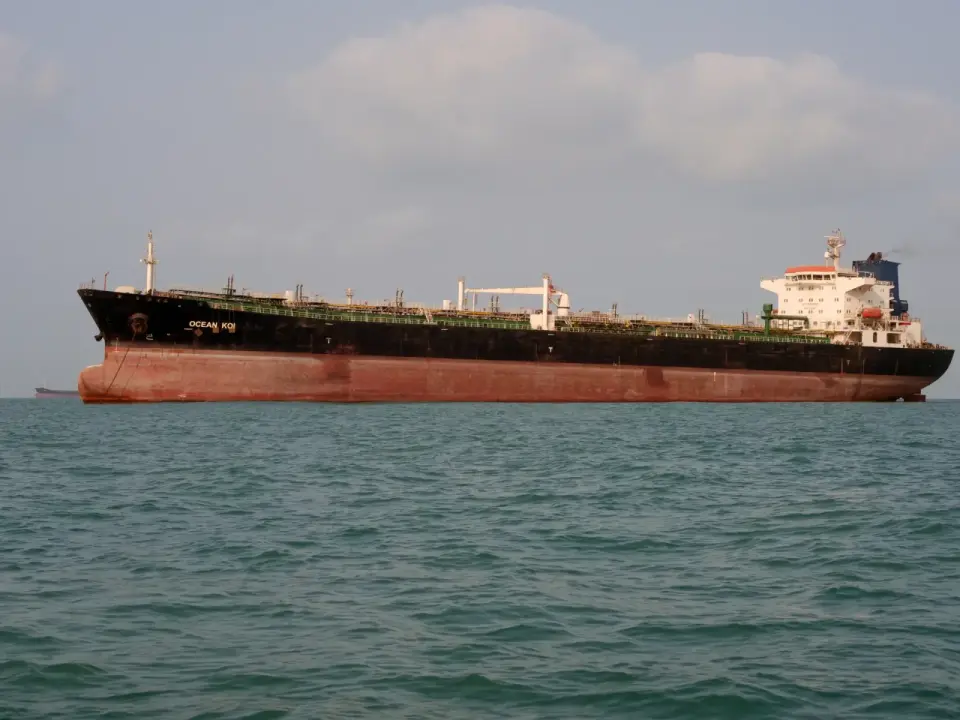
Iran and Oman have agreed on a temporary, 11.3-kilometer-wide maritime corridor through the Strait of Hormuz, with entry and exit points in Iranian territorial waters. While this development has eased oil prices, Tehran insists the strait remains closed until the US fulfills its June peace deal commitments, including sanctions relief. The US has paused secondary sanctions due to Chinese retaliation threats, but maintains a naval blockade.
Key points
- Iran’s Deputy Foreign Minister Kazem Gharibabadi confirmed a temporary route agreement with Oman, specifying that entry and exit occur within Iranian waters.
- The transit corridor is 11.3 kilometers wide, but precise coordinates, start dates, and revenue-sharing mechanisms remain undisclosed.
- Iranian officials emphasize the strait is not fully open; vessels require Iranian permission and surveillance before transit.
- Brent crude prices fell below $90 per barrel following the announcement, though traffic remains low at 15 ships per day versus the pre-war average of 130.
- The US has delayed secondary sanctions against third-party nations, citing concerns about global financial stability and Chinese retaliation.
Background
The US-Israel war on Iran began in late February 2026, leading to the closure of the Strait of Hormuz, which normally handles 20% of global oil and LNG shipments. A June 17 memorandum of understanding (MoU) aimed to keep the strait open for 60 days but lapsed due to disputes over routing and sanctions. Previous archive coverage from August 2026 indicated shifting traffic between Iranian and Omani-controlled routes, with the US maintaining a naval presence to protect commercial carriers.
How outlets are covering it
Al Jazeera highlights Iran’s insistence that the strait remains closed until the US fulfills the June MoU, noting Tehran’s refusal to hold direct talks with Washington. Fox News emphasizes the US Treasury’s 'Economic D-Day' sanctions and the potential for internal unrest in Iran, while also noting oil price volatility. CNBC focuses on the market reaction, noting that oil prices dropped as investors priced in a partial reopening, and highlights the US decision to hold off on secondary sanctions due to Chinese threats. The outlets differ on the immediacy of the reopening: Al Jazeera stresses the temporary and conditional nature of the deal, while CNBC notes the market’s optimistic interpretation of the agreement.
Why it matters
The Strait of Hormuz is a critical global chokepoint for energy supplies. A temporary corridor could stabilize oil prices and reduce geopolitical tensions, but the lack of a permanent agreement and continued US sanctions create uncertainty. The deal also highlights the growing influence of Oman as a mediator and the limitations of US power in the region, as Tehran maintains control over the waterway despite US naval presence.
What to watch
Technical negotiations between Iran and Oman will continue to finalize the temporary corridor and plan for a permanent solution. The US may resume secondary sanctions if Iran does not comply with the June MoU. Oil prices will likely remain volatile, reflecting uncertainty over the strait’s status and potential military escalation. Iran may impose fuel price hikes domestically due to the US blockade and lack of imports.
- Iran, Oman agree on temporary Hormuz route: What we know Al Jazeera
- Strait of Hormuz deal inches closer as oil prices dip; US commits to Tehran sanctions Fox News
- Iran Negotiates With Oman, Warns of Military Ship Ban in Strait of Hormuz Military.com
- Iran says the U.S. is standing in the way of Hormuz deal amid talks with Oman CNBC
- Oil Prices Fall as Oman-Iran Talks Raise Hopes for Hormuz Reopening WSJ
Want the full story? Read the original reporting
Read on Al Jazeera