
Seoul braces for worst-case as Trump scales back drills over Iran and investment disputes
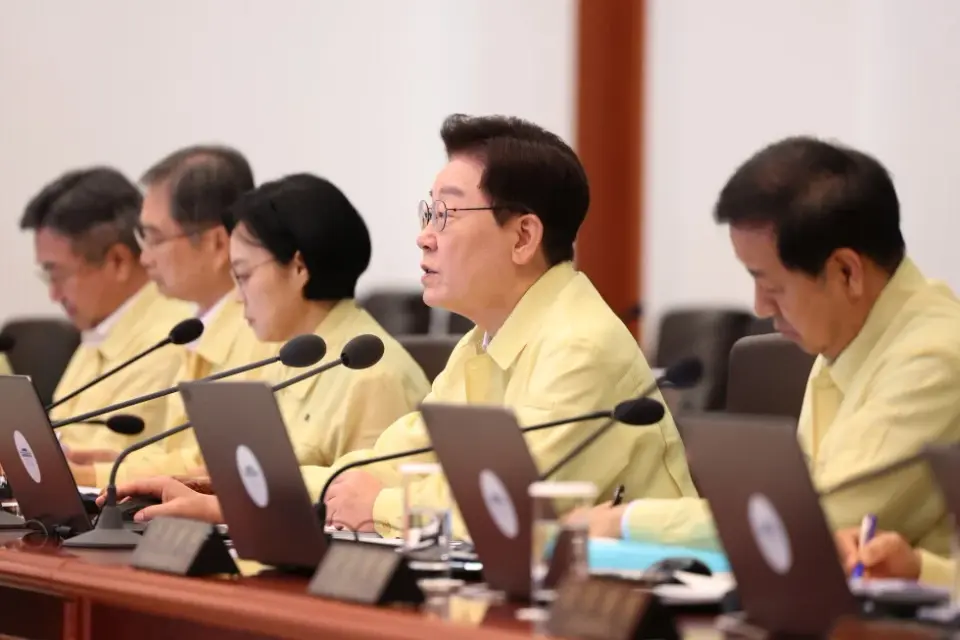
President Lee Jae-myung urged South Korea to prepare for a 'worst-case scenario' after President Trump ordered a substantial reduction in joint military exercises with Seoul. The move, which affects the Ulchi Freedom Shield drill involving 18,000 troops, stems from Washington's frustration over Seoul's refusal to assist in the Iran conflict and slow progress on a $350 billion investment pledge. While Seoul insists the drills are defensive, Trump views them as provocative toward North Korea and leverages them to pressure economic concessions.
Key points
- Trump directed Defense Secretary Pete Hegseth to substantially reduce joint drills, citing an 'inappropriate' signal to North Korea and Seoul's refusal to aid the US in Iran.
- South Korean President Lee Jae-myung stated that while peace is paramount, the nation must prepare for a 'worst-case scenario' amid the reduced exercises.
- The Ulchi Freedom Shield exercise, running until August 27, involves 18,000 South Korean troops and a portion of the 28,500 US troops stationed in the country.
- Trump officials expressed frustration over South Korea's slow progress on a $350 billion investment pledge, with $200 billion of the total yet to be allocated to specific projects.
- North Korea condemned the US actions as preparations for an 'aggressive war,' while Seoul's foreign ministry argued the drills are purely defensive.
Background
This dispute follows a series of recent tensions, including bipartisan US congressional alarm over the potential weakening of the 73-year alliance and warnings that reduced readiness could benefit Russia in Ukraine. Previous coverage highlighted that Seoul helps fund much of the exercise cost, countering Trump's characterization of the drills as a financial burden. The current friction also coincides with North Korea's recent ballistic missile tests and US plans to redeploy 4,500 troops from the region.
How outlets are covering it
AP News and CNBC focus on the immediate diplomatic fallout, highlighting Lee's call for preparedness and Trump's public criticism of Seoul's 'lukewarm' response to the Iran conflict. Politico provides a broader economic context, attributing the drill cuts to administration-wide frustration over the pace of South Korea's $350 billion investment commitment and its handling of the Coupang fine. The New York Times draws a historical parallel, suggesting Trump may repeat his first-term failure to disarm North Korea, now applying similar leverage tactics to Iran. While Seoul insists the exercises are defensive, North Korea's foreign ministry views them as a rehearsal for invasion, a perspective Trump appears to be exploiting to pressure Seoul.
Why it matters
The scaling back of joint exercises undermines the deterrence posture on the Korean Peninsula and signals a shift in the US-South Korea alliance. By conflating security and economic issues, Washington is using military leverage to force faster progress on trade and investment deals, potentially destabilizing regional security dynamics and setting a precedent for future alliance negotiations.
What to watch
South Korean officials are in emergency discussions with Washington regarding practical military contributions and investment announcements, with potential new pledges expected by late August or early September. The Pentagon is considering the redeployment of 4,500 troops from South Korea to other Indo-Pacific locations, a move opposed by Congress. The outcome of these negotiations will determine whether the alliance can withstand the current pressure or if further concessions are extracted from Seoul.
- South Korea president stresses US alliance as many baffled by Trump order to cut exercises AP News
- Facing Quagmire in Iran, Trump Turns to a Familiar Face: North Korea’s Kim Jong-un The New York Times
- Opinion | North Korea can't be trusted. But Trump seems to think they can. MS NOW
- South Korea must brace for ‘worst-case scenario,’ President Lee says, as Trump cuts military drills CNBC
- ‘Not the way it works’: Korea’s miscalculation on trade may cost them on security Politico
Want the full story? Read the original reporting
Read on AP News