
US Secures Majority Control of 65 Billion Barrels of Venezuelan Oil in Unprecedented Deal
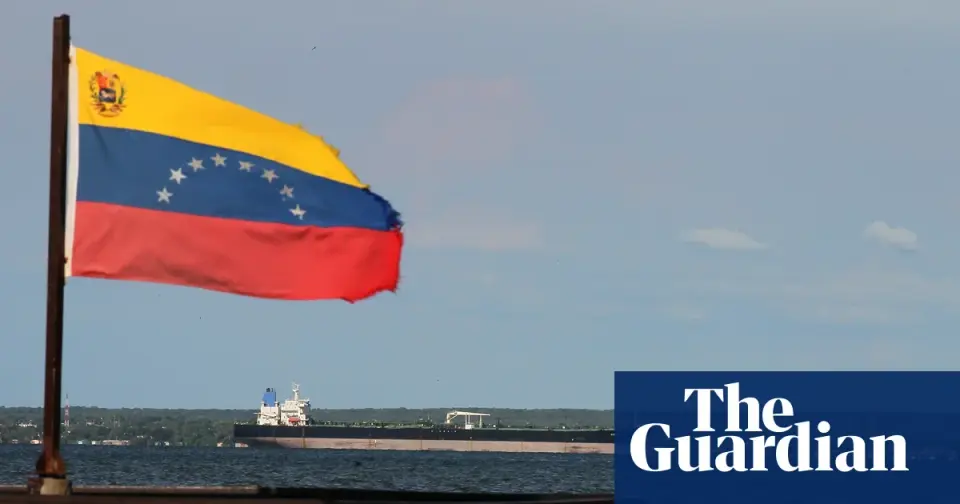
Donald Trump announced a new agreement with Venezuela’s interim president Delcy Rodríguez granting the US majority control over 65 billion barrels of proven oil reserves. The deal, brokered by Secretary of State Marco Rubio and Defense Secretary Pete Hegseth through a private partnership, aims to double US oil reserves and lower gas prices. While the White House claims the arrangement costs taxpayers nothing, critics and opposition figures in Venezuela condemn it as a 'land grab' that prioritizes resource extraction over political reform. The agreement follows the US capture of former president Nicolás Maduro in January and coincides with potential new investments by Chevron.
Key points
- Trump claims the US now has majority control of 65 billion barrels of Venezuelan oil, a figure nearly equal to all US proven reserves.
- The deal was negotiated by Rubio and Hegseth via a partnership with a private business, reportedly involving Venezuelan businessman Alejandro Betancourt López.
- Venezuela’s interim president Delcy Rodríguez described the deal as 'historic,' projecting over $100 billion in investment and $209 billion in revenue for the state.
- The agreement lacks public details regarding specific fields, legal structures, or the identity of the private operator, though the State Department indicated a 55% US output share in a joint venture.
- Chevron is in advanced talks for a separate, significant expansion of its operations in Venezuela, potentially announced next week.
Background
This development follows the US military capture of Nicolás Maduro in January 2026, which shifted Venezuela from an adversary to a client state. Recent weeks saw intense negotiations, with Axios and the Wall Street Journal reporting on potential US stakes in fields holding up to 90 billion barrels. The move addresses US pressure to lower domestic gas prices before November midterms and replenish the strategic petroleum reserve, while reversing decades of Venezuelan oil nationalization policies.
How outlets are covering it
The Guardian and BBC emphasize the lack of transparency, noting that Trump’s announcement provided few details on the deal’s structure or the private partner involved. The New York Times highlights the unusual nature of the US foray into foreign oil fields, identifying the private partner as linked to Alejandro Betancourt López, a figure often labeled a 'bolichico' by critics. The Washington Post frames the deal as 'legally precarious' and potentially costly, questioning the long-term viability of such a stake. Venezuelan opposition figures, cited by the Guardian, denounce the arrangement as a 'rapacious' land grab that betrays the expected US role in promoting democratic change, contrasting it with the Marshall Plan. Conversely, Rubio and Rodríguez portray the deal as a mutual economic victory, with Rubio citing job creation and Rubio’s counterpart in Caracas promising economic revival.
Why it matters
The agreement represents a significant shift in US foreign policy, prioritizing direct control of foreign natural resources over traditional diplomatic approaches. It could reshape global oil markets by potentially doubling US reserves and lowering domestic fuel costs, but it also risks deepening geopolitical tensions and legal challenges regarding sovereignty and resource extraction in Latin America.
What to watch
Chevron is expected to announce a separate investment deal in Venezuela next week. The full text of the US-Venezuela agreement remains unavailable, and questions persist regarding the legal framework and the specific role of the private partner. Congressional opposition and potential international backlash may influence the deal’s implementation.
- Trump announces new US oil agreement with Venezuela The Guardian
- Trump Administration Live Updates: President Says U.S. to Take Control of Big Portion of Venezuelan Oil The New York Times
- US and Venezuela reach 'historic' oil deal, Trump says BBC
- Trump secures vast, potentially costly U.S. stake in Venezuelan oil industry The Washington Post
- Trump says U.S. now has majority control over 65 billion barrels of Venezuelan oil reserves CBS News
Want the full story? Read the original reporting
Read on The Guardian