
US 'Economic D-Day' Threats Test Iran’s Trade Lifelines and US-China Ties
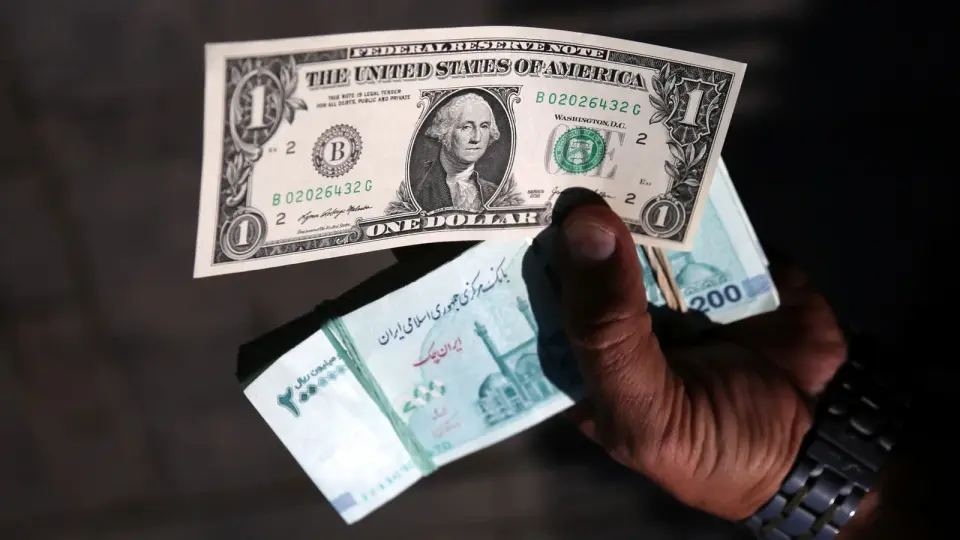
Treasury Secretary Scott Bessent announced a new 'economic D-Day' campaign on Monday, August 24, 2026, aiming to isolate Iran from the global economy through secondary sanctions against 'enablers.' While the US has sanctioned specific refineries, enforcement remains ambiguous, particularly regarding China, which accounts for 90% of Iranian oil exports. The move risks escalating tensions with Beijing just weeks before a scheduled summit with President Xi Jinping, while simultaneously pressuring other key partners like the UAE, Turkey, and Iraq to cut ties with Tehran.
Key points
- China is the primary target of concern, handling roughly 90% of Iranian oil exports via independent refiners that often rebrand crude as Malaysian or Indonesian oil.
- The UAE suspended all trade and financial transactions with Iran last week following missile incidents, cutting off a $28 billion bilateral trade relationship and disrupting Iran’s main access to global financial systems.
- Iraq and Turkey remain dependent on Iranian energy; Iraq imports over 30% of its electricity from Iran, while Turkey’s gas imports from Tehran rose to 18.6% of its total supply this year.
- India resumed crude imports from Iran in April after a seven-year halt, but faces potential secondary sanctions if it continues purchasing Iranian energy.
- Bessent stated the US is giving entities time to 'remedy bad behavior' before imposing penalties, aiming to avoid a global financial shock while maintaining pressure on Tehran.
Background
This escalation follows a six-month war in the Middle East that began in late February 2026. Recent developments include the UAE’s suspension of trade with Iran in August 2026, which severed a critical financial conduit for Tehran. The current sanctions push mirrors previous US efforts to isolate Russia after 2022, though analysts note that previous measures failed to cripple the target economy due to trade redirection to China and India.
How outlets are covering it
CNBC emphasizes the specific vulnerabilities of Iran’s trade partners, highlighting the dichotomy in China’s response: while Beijing officially opposes US sanctions, it may quietly enforce compliance among state banks to preserve access to the US dollar system. NDTV focuses on the geopolitical risk, arguing that the 'D-Day' threat hinges on whether Washington is willing to sanction Chinese entities, which could fracture the fragile US-China trade truce. NDTV notes that Bessent deflected questions about naming specific Chinese targets, preferring 'quiet diplomacy' ahead of the September summit, whereas CNBC suggests the threat alone may be sufficient to disrupt Iran’s revenue streams without direct confrontation.
Why it matters
The outcome of these sanctions will determine the extent of global economic disruption. If the US successfully isolates Iran without triggering a major conflict with China, it may reduce Iranian revenue but could also raise global energy prices and inflation. Conversely, if secondary sanctions hit Chinese banks or firms, it could lead to retaliatory measures from Beijing, such as restrictions on critical minerals or pharmaceuticals, potentially destabilizing global supply chains and deepening the economic fallout from the ongoing war.
What to watch
Watch for the September summit between Trump and Xi Jinping, where the US stance on Chinese entities involved in Iranian oil trade will be a key issue. Monitor whether the UAE and other Gulf states enforce stricter crackdowns on shadow banking and transshipment activities in Dubai, as urged by US officials. Also, observe if Iraq and Turkey adjust their energy procurement strategies to avoid secondary sanctions, potentially accelerating their shift toward Azerbaijani or Russian gas supplies.
- Trump targets Iran’s trade lifelines — here are the countries most exposed CNBC
- US's Iran D-Day Threat Hinges On Willingness To Hit China NDTV
- Trump’s Attempt to Strangle Iran’s Economy Depends on China’s Cooperation The New York Times
- Dozens of Chinese Firms Hit By Bessent’s D-Day Iran Sanctions Bloomberg.com
- Iran vows to retaliate after US widens sanctions Reuters
Want the full story? Read the original reporting
Read on CNBC