
US-Iran Conflict Stalls in Hormuz as Both Sides Face Unsustainable Costs
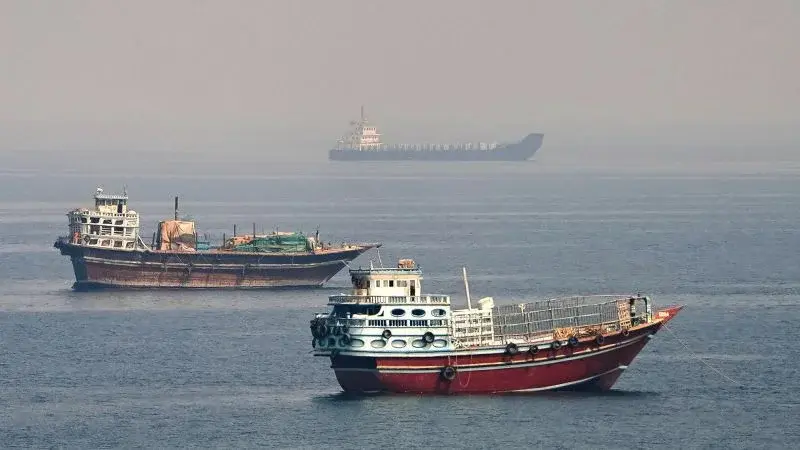
The US and Iran are locked in a dangerous military stalemate in the Strait of Hormuz, with limited recent exchanges signaling a mutual reluctance to return to full-scale war. While Washington seeks to maintain economic pressure and maritime control, Tehran aims to disrupt tanker traffic to break the impasse. Both nations face escalating costs: the US is depleting missile stockpiles and facing domestic backlash over high gas prices, while Iran suffers from severe inflation and economic collapse. Experts warn this equilibrium is unstable, with risks of miscalculation leading to broader conflict.
Key points
- US strikes on Iran triggered retaliatory attacks on Jordan, Bahrain, and Kuwait, but both sides have largely avoided civilian and energy targets.
- US military escorted 40 commercial vessels carrying 18 million barrels of oil through the Strait of Hormuz, a wartime high, yet global oil prices remain elevated.
- US gas prices have risen to $4.14 per gallon, up from $3.19 a year ago, contributing to public disapproval of the conflict.
- Iran’s annual inflation has reached 66%, severely impacting access to basic goods and food for citizens.
- US military sources indicate nearly 80% of THAAD interceptors and half of Patriot interceptors have been depleted since the war began.
Background
This conflict follows a six-month period of protracted stalemate, as noted in previous coverage, where both sides struggled to find a durable exit. Earlier analyses suggested that while a blockade might gradually weaken Iran’s economy, it risked broader escalation. The current situation reflects the continuation of this dynamic, with no clear path to resolution despite previous negotiation windows and memoranda of understanding.
How outlets are covering it
CNN emphasizes the strategic mismatch between the US desire to contain the conflict economically and Iran’s push to disrupt maritime traffic to break the stalemate. AP News highlights the dual approach of economic and military pressure used by the US to squeeze Iran. Both outlets agree that the current equilibrium is unsustainable, but CNN focuses more on the domestic political costs for the US administration, while AP stresses the broader economic impact on Iran.
Why it matters
The ongoing stalemate in the Strait of Hormuz poses significant risks to global energy markets and regional stability. The depletion of US missile stockpiles and rising gas prices in the US could have long-term political and economic consequences, while Iran’s economic collapse may lead to unpredictable escalation. The lack of a clear exit strategy for either side increases the likelihood of miscalculation and broader conflict.
What to watch
Analysts predict that the current equilibrium is unlikely to hold, with both sides continuing to climb the escalation ladder. The US may face pressure to reduce military operations due to unsustainable costs, while Iran may escalate to break the economic pressure. The outcome will depend on whether either side can absorb the costs or if miscalculation leads to full-scale war.
- The US wants to manage the stalemate in the Strait of Hormuz. Iran wants to break it CNN
- A More Confident Iran Emerges After Six Months of War With the U.S. nytimes.com
- Trump turns to a dual economic and military approach in latest attempt to squeeze Iran AP News
- ‘We Are Stalled’: US-Iran Conflict Stuck With No End in Sight Bloomberg.com
- The Morning Risk Report: Trump’s ‘Economic D-Day’ Against Iran Faces an Uphill Battle WSJ
Want the full story? Read the original reporting
Read on CNN