
Purdue-led team deploys to Nikumaroro to test 'Taraia object' as Earhart's lost plane
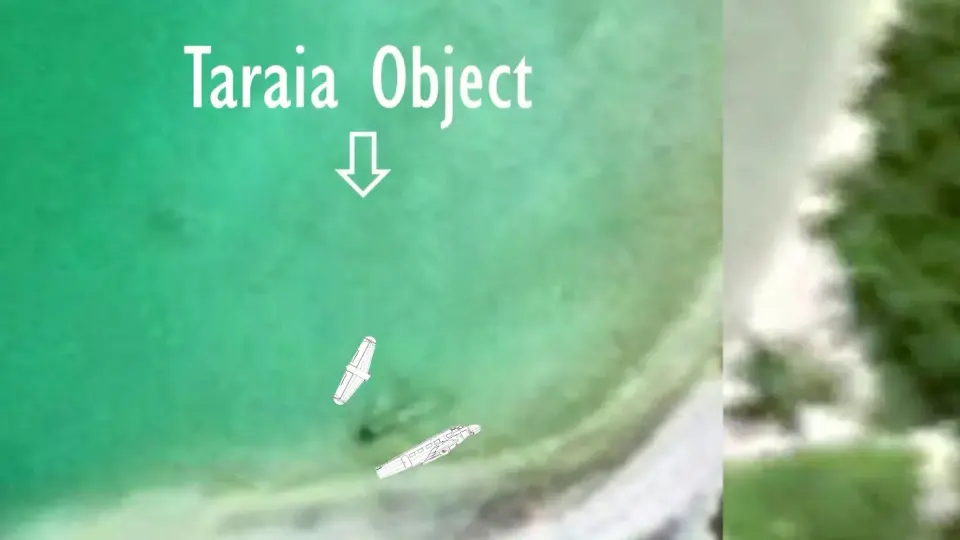
A 16-person expedition led by archaeologist Richard Pettigrew is set to reach Nikumaroro Island in October to investigate a satellite-detected anomaly known as the 'Taraia object.' The mission, a joint effort between the Purdue Research Foundation and the Archaeological Legacy Institute, aims to determine if the object is the wreckage of Amelia Earhart’s Lockheed Electra 10-E. If confirmed, a full excavation and recovery of the aircraft to the United States may follow.
Key points
- The expedition, delayed from October 2025 due to weather and permitting issues, now has approval from the Kiribati cabinet to proceed in October 2026.
- Researchers will use a hydraulic dredge to remove sediment from the lagoon to inspect the 'Taraia object,' which was first identified in satellite imagery in 2020.
- The team seeks to identify major aircraft components like the fuselage and wing, as well as unique metal rivets from the Electra 10-E design.
- Purdue University is negotiating with Kiribati to take custody of the wreckage, aiming to fulfill Earhart’s original wish to donate the plane for aeronautical research.
- Lead archaeologist Richard Pettigrew emphasizes that the mission will succeed in providing a definitive answer, whether the object is the plane or not.
Background
Amelia Earhart and navigator Fred Noonan disappeared on July 2, 1937, while attempting to circumnavigate the globe. Their final known location was near Howland Island, though they were legally declared dead in 1939. While the prevailing theory suggests they crashed into the Pacific, the Nikumaroro hypothesis posits they landed on the remote island and perished there. Previous searches, including a 2024 deep-sea scan near Howland Island, yielded no conclusive results, leading to renewed focus on the Nikumaroro anomaly.
Why it matters
This expedition represents the most significant attempt in decades to resolve one of history's most enduring mysteries. A positive identification would not only solve the fate of a cultural icon but also validate decades of archaeological evidence, including bone fragments and 1930s-era artifacts found on the island. The potential transfer of the wreckage to the United States also highlights ongoing diplomatic and legal discussions regarding the preservation and display of historical artifacts.
What to watch
If the initial inspection confirms the object is the Electra 10-E, the team plans to return the following year for a full-scale excavation. Subsequently, a recovery operation would transport the wreckage to the United States for permanent display at Purdue University, subject to an agreement with the government of Kiribati.
Want the full story? Read the original reporting
Read on USA Today