
Trump Approves Weaker Fuel Standards, Cutting EV Targets by One-Third
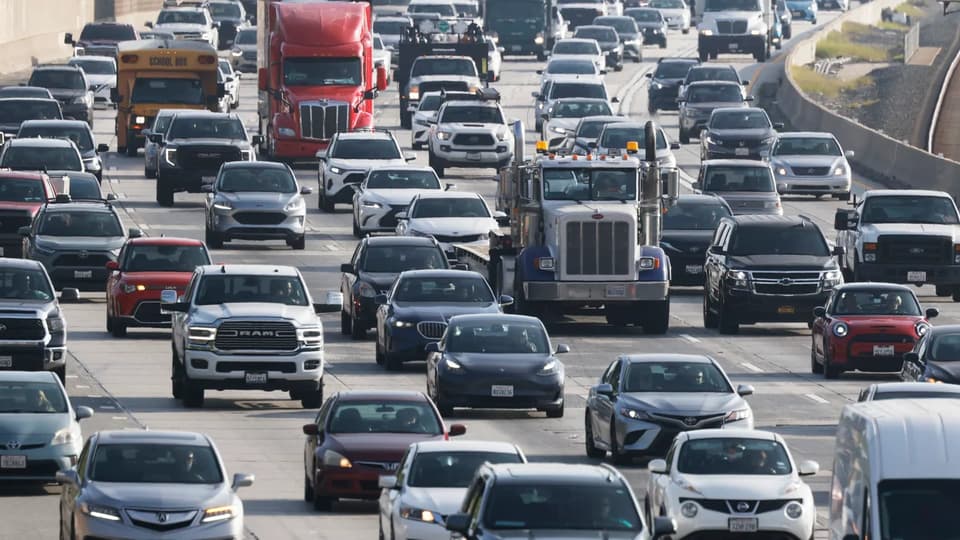
President Trump approved new Corporate Average Fuel Economy (CAFE) standards on September 26, 2026, replacing Biden-era rules that required 50.4 miles per gallon by 2031. The new rules lower the target to 34.5 mpg, effectively ending federal mandates for electric vehicle adoption. While Trump framed this as a cost-saver for consumers and manufacturers, critics argue it weakens U.S. competitiveness against global EV trends and lacks enforcement power due to recent legislative changes.
Key points
- Trump announced the new fuel economy standards via Truth Social on September 26, 2026, stating they terminate Biden’s EV mandate.
- The new standards require an average of 34.5 miles per gallon for passenger cars and light trucks by model year 2031, down from 50.4 mpg under Biden.
- Transportation Secretary Sean Duffy confirmed the change, calling it a victory for auto workers, with the final rule expected to be released Monday.
- The move allows automakers to focus on more profitable pickup trucks and SUVs rather than electric vehicles, which have lower profit margins.
- Critics note that the One Big Beautiful Bill Act removed penalties for non-compliance, making the new standards effectively voluntary.
Background
This policy shift follows a series of Trump administration actions targeting Biden-era climate policies, including the EPA’s February 2026 repeal of vehicle emissions rules. In late September 2026, public sentiment remains divided, with recent polls showing 43% of Americans blame Trump for economic issues, while 52% cite cost of living as their top concern. The administration’s focus on affordability and manufacturing aligns with these voter priorities, despite criticism from environmental groups.
How outlets are covering it
CNBC emphasizes the economic benefits for automakers and consumers, highlighting Trump’s claim that the new standards will lower car prices and encourage domestic manufacturing. Politico, however, frames the move as a significant retreat from global EV trends, noting that the standards are now largely symbolic due to the removal of non-compliance penalties. While CNBC focuses on the immediate impact on car prices and production, Politico highlights the long-term risks to U.S. competitiveness and the lack of enforcement mechanisms.
Why it matters
The new fuel economy standards signal a major shift in U.S. transportation policy, moving away from federal mandates for electric vehicles. This could impact consumer choices, automaker investments, and the U.S. position in the global EV market. The removal of penalties for non-compliance further weakens the regulatory framework, potentially leading to slower adoption of cleaner technologies.
What to watch
The final rule is expected to be released on Monday, September 28, 2026. Legal challenges are anticipated, as previous EPA actions have faced court scrutiny. Automakers will likely adjust their production strategies based on the new standards, with some, like General Motors, continuing to produce electric vehicles despite the weaker mandates.
- Trump says he approved new fuel economy standards rolling back Biden-era rules CNBC
- Trump says he approved new fuel economy standards ending Biden-era electric vehicle mandate Fox Business
- Trump slashes Biden-era fuel economy standards for cars Politico
- Trump approves new fuel economy rules, says car prices will fall Yahoo
- Trump OKS new fuel economy standards, ends Biden EV mandate Seeking Alpha
Want the full story? Read the original reporting
Read on CNBC