
NASA opens 25th astronaut class applications with Dec. 3 deadline for lunar and Mars missions
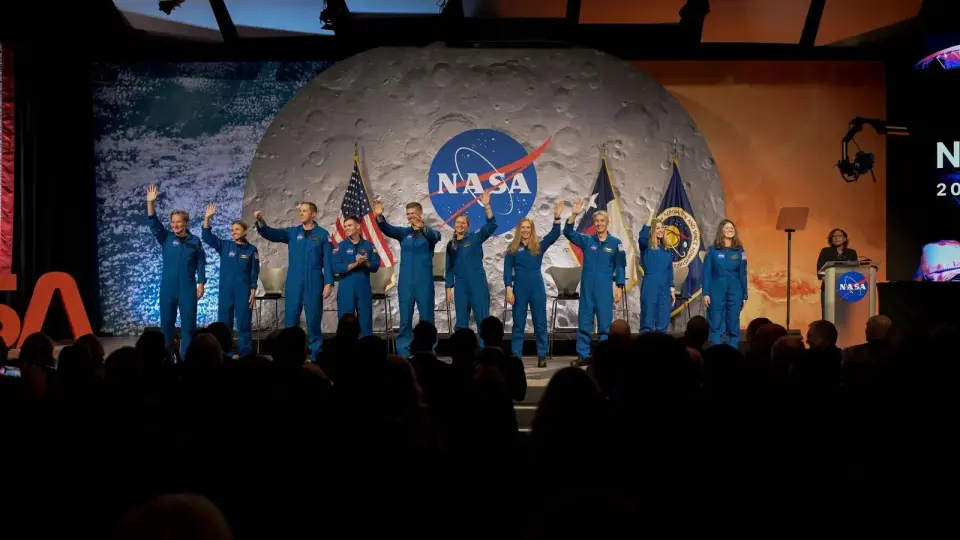
NASA has opened applications for its 25th astronaut class, with a deadline of December 3, 2026. The agency seeks U.S. citizens to support the 2028 lunar return, construction of a moon base, and future Mars missions. Candidates must meet strict educational and professional experience requirements, including STEM degrees, medical qualifications, or pilot experience. The starting salary is $164,395, and successful applicants will undergo two years of training.
Key points
- Applications for NASA's 25th astronaut class are open until 11:59 p.m. EST on December 3, 2026.
- The agency currently has 32 active astronauts and states it needs more personnel to support its ambitious lunar and Mars exploration goals.
- Applicants must be U.S. citizens and hold a master's degree in a STEM field, or meet alternative qualifications such as a medical degree, test pilot school completion, or two years of doctoral coursework.
- Candidates must have at least three years of related professional experience after completing their qualifying degree or pilot training.
- The starting salary for the position is $164,395, and recruits must relocate to Houston, Texas, to train at the Johnson Space Center.
- Final selections are expected in late 2027, with a two-year training program beginning in early 2028.
Background
This recruitment follows the 2024 cycle, which drew over 8,000 applicants and selected 10 candidates for the 2025 class. NASA has selected 370 people to fly in space since 1959. The current push for more astronauts is driven by the Artemis program's goals, including the Artemis II moon flyby in 2026 and Artemis III lunar lander tests in 2027, as well as the long-term objective of establishing a permanent lunar presence and eventually sending humans to Mars.
How outlets are covering it
All sources agree on the core facts: the December 3 deadline, the 2027 selection timeline, and the educational and experience requirements. Space.com and NASA's official release highlight the urgency of the staffing shortage, with astronaut Nichole Stilwell stating, 'We just don't have enough people, and we're looking for more.' NPR notes a recent change in NASA's criteria, stating that master's-level nursing degrees now meet the minimum educational requirement, whereas they were previously excluded. CBS News provides additional detail on the physical and psychological requirements, including the need to pass a swimming test, vision tests, and be willing to work in dangerous, life-threatening situations and remote, isolated spaces for prolonged periods. CBS also notes that applicants must be willing to deploy to space for 12 months or longer.
Why it matters
NASA's expansion of its astronaut corps is critical to achieving its ambitious goals in the Artemis program, including returning humans to the moon, building a permanent lunar base, and eventually sending crewed missions to Mars. The agency's current staffing levels are insufficient to support the increasing number of missions and the complexity of future operations. By recruiting a new class of astronauts, NASA aims to ensure it has the necessary personnel to execute these missions and maintain a human presence in space for the long term. The recruitment also reflects the growing importance of international and private partnerships in space exploration, as NASA relies on companies like SpaceX and Blue Origin to develop systems and spacecraft for its missions.
What to watch
NASA will review applications submitted by December 3, 2026, and make final selections in late 2027. Selected candidates will begin a two-year training program at the Johnson Space Center in Houston, Texas. The training will prepare them for missions to the moon, including the Artemis III lunar landing, and future operations at a moon base. NASA will also continue to work with private companies to develop the necessary systems and spacecraft for these missions.
- NASA needs more astronauts for moon missions and beyond. You can apply now, but only until Dec. 3 Space
- NASA Seeks Next Generation of Explorers to Join Astronaut Corps NASA (.gov)
- NASA is looking for astronauts to live and work on the Moon NPR
- NASA is hiring astronaut candidates. Some could "live and work" on the moon. CBS News
- Nasa seeks next generation of astronauts to live and work on the moon The Guardian
Want the full story? Read the original reporting
Read on Space