
Fossil Teeth Reveal 66-Pound 'Giant Rat' in Ancient Thailand
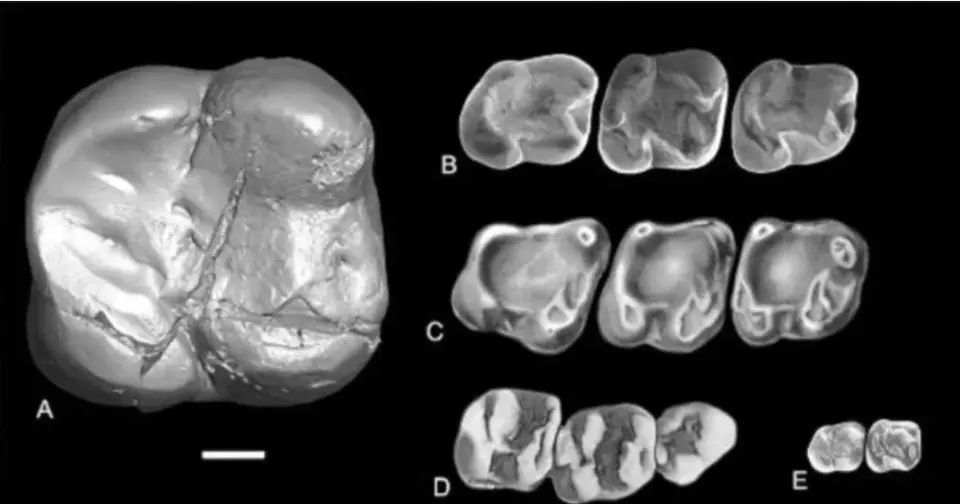
Scientists identified a new, massive rodent species from two fossil teeth found in a Thai coal mine. Weighing approximately 66 pounds, the animal lived 33 to 35 million years ago and belongs to the extinct Ischyromyidae family.
Key points
- A molar and incisor discovered in 2004 in Krabi province, Thailand, were recently identified as belonging to a new species named Yakamys sirindhornae.
- The animal, which lived during the late Eocene period, is estimated to have weighed around 30 kilograms, making it one of the largest known rodents from the Paleogene period.
- The discovery was made possible by researchers from Thailand, France, and Canada using advanced analysis techniques that were unavailable when the fossils were first found.
- The species was named in honor of Princess Sirindhorn of Thailand, a known supporter of paleontological research.
- While the new find is significant, it is smaller than other prehistoric giant rodents discovered in South America, including a 1,545-pound species found in 2003.
Background
This discovery adds to a growing body of evidence regarding the evolution of large rodents in various parts of the world. Previous findings, such as a human-sized rat in the Amazon and a 1-ton creature in South America, highlight the diversity of prehistoric rodent sizes. The Krabi basin in Thailand has previously yielded fossils of primates and carnivores, but this is the first identification of a giant rodent from the region.
Why it matters
The identification of Yakamys sirindhornae provides crucial insights into the evolutionary history of rodents, suggesting that large rodent species may have originated in Southeast Asia before spreading globally. It also underscores the importance of revisiting old fossil collections with modern technology to uncover new species.
What to watch
Researchers hope to find more fossils of this species to better understand its appearance, diet, and behavior. The discovery may also prompt further exploration of the Krabi basin for other Paleogene-era fossils.
Want the full story? Read the original reporting
Read on CBS News