
Orionid Meteor Shower Peaks Overnight, but Moon and Clouds Challenge Connecticut Viewers
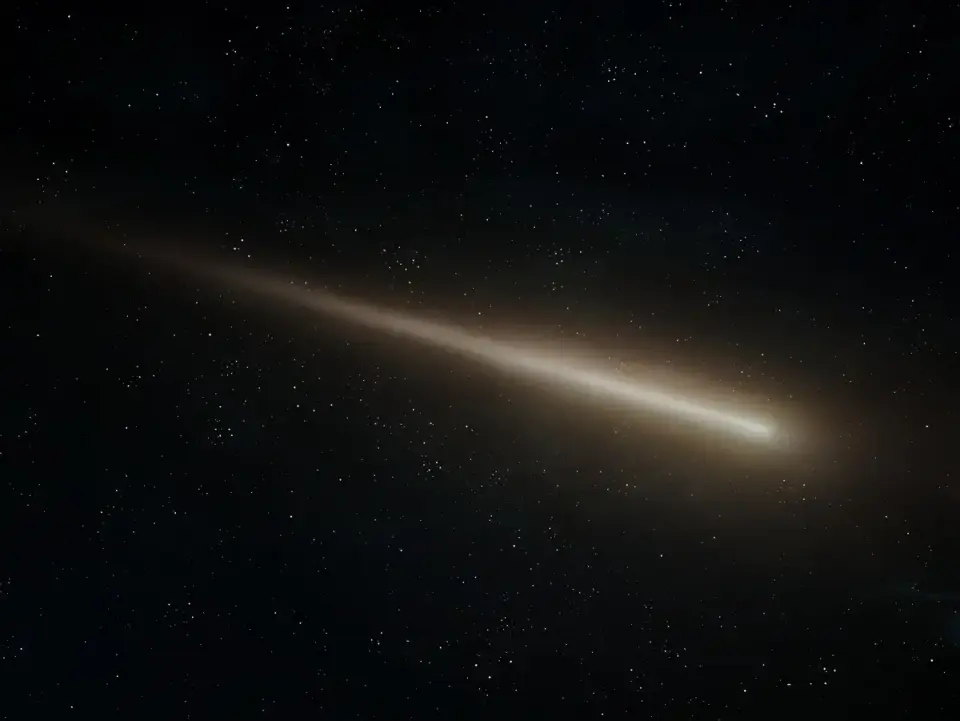
The Orionid meteor shower peaks overnight between October 21 and 22, 2026, offering fast, bright meteors from Halley's Comet debris. While up to 20 meteors per hour are possible, a 76% illuminated moon and variable cloud cover in Connecticut may hinder early viewing. The best window is after moonset at 2:30 a.m. ET until dawn.
Key points
- Peak activity occurs overnight Oct 21-22, with optimal viewing after moonset at 2:30 a.m. ET.
- Meteors travel at 41 miles per second, often leaving glowing trails or fireballs.
- A 76% waxing gibbous moon will interfere with early evening visibility.
- Connecticut forecasts show partly to mostly cloudy skies, with temps in the 40s.
- The shower is caused by Earth passing through debris from Halley's Comet.
Background
This event follows the Draconid meteor shower in early October and precedes the Leonids in November. The Taurid meteor showers, which produce bright 'Halloween fireballs,' are also active concurrently, offering additional spectacle despite lower frequency.
How outlets are covering it
CT Patch emphasizes local weather constraints, noting cloud cover in Danbury, New Haven, and New London. CNN highlights the moon's interference but stresses the post-moonset window. WBAL-TV notes the shower's broader active period (Oct 2-Nov 7) and suggests 15-20 minutes for eye adaptation. All sources agree on the 41 mph speed and Halley's Comet origin, but CT Patch uniquely details specific Connecticut city forecasts.
Why it matters
The Orionids are among the brightest meteor showers of the year, offering a rare opportunity to observe Halley's Comet's legacy. Clear viewing requires timing around moonset and local weather, making it a significant event for amateur astronomers and casual observers alike.
What to watch
The Taurid meteor showers will peak in November, with the Southern Taurids on Nov 4-5 and Northern Taurids on Nov 11-12. The Leonids follow on Nov 16-17, offering another fast, bright shower. Halley's Comet itself will not return until 2061.
- Orionid Meteors Peak, 'Halloween Fireballs' Build: What To Know In CT Patch
- Early birds will have the best chance to see the Orionid meteor shower CNN
- Halley’s Comet Is About To Send ‘Shooting Stars’ Across The Sky Forbes
- Orionid meteor shower peaks tonight — Here's how to see it WBAL-TV
- How to see the Orionid meteor shower 2026 peak this week — and when to look Space
Want the full story? Read the original reporting
Read on Patch