Tag

Orionid Meteor Shower

All articles tagged with #orionid meteor shower

Orionid Meteor Shower Peaks Oct 21-22: Best Viewing After Moonset
science11 hours ago

Orionid Meteor Shower Peaks Oct 21-22: Best Viewing After Moonset

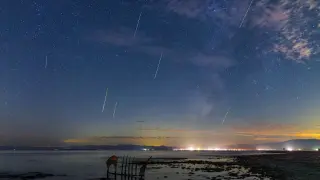
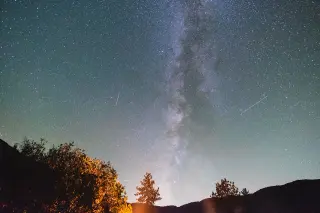
The Orionid meteor shower peaks overnight on October 21-22, 2026, offering up to 20 meteors per hour under dark skies. These fast-moving streaks originate from debris left by Halley's Comet. Although a waxing gibbous moon obscures early evening viewing, it sets around 3 a.m., providing a brief window of optimal visibility before dawn. Observers should look away from the constellation Orion for the best views.

Orionid Meteor Shower Peaks Oct 22: Halley's Comet Debris Offers Brief Dark-Sky Window
science1 day ago

Orionid Meteor Shower Peaks Oct 22: Halley's Comet Debris Offers Brief Dark-Sky Window

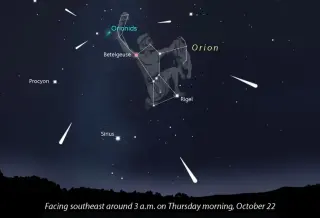
The annual Orionid meteor shower peaks overnight on October 21-22, 2026, as Earth intersects the debris trail of Halley's Comet. While a bright waxing gibbous moon obscures early evening viewing, observers can expect up to 20 meteors per hour after the moon sets around 3 a.m., providing a brief window of dark-sky visibility before dawn.

Orionid Meteor Shower Peaks Oct 21-22: Fast Streaks from Halley's Comet Debris
science3 days ago

Orionid Meteor Shower Peaks Oct 21-22: Fast Streaks from Halley's Comet Debris

The Orionid meteor shower peaks overnight on October 21-22, 2026, offering fast-moving meteors originating from Halley's Comet. Observers in Southern Utah and Maine are advised to watch after 3 a.m. when the waxing gibbous moon sets, allowing up to 20 meteors per hour under dark skies. The shower is active until November 7, with meteors entering Earth's atmosphere at 66 kilometers per second.

Orionid Meteor Shower Peaks Oct 21-22: Best Viewing After Moonset
space4 days ago

Orionid Meteor Shower Peaks Oct 21-22: Best Viewing After Moonset

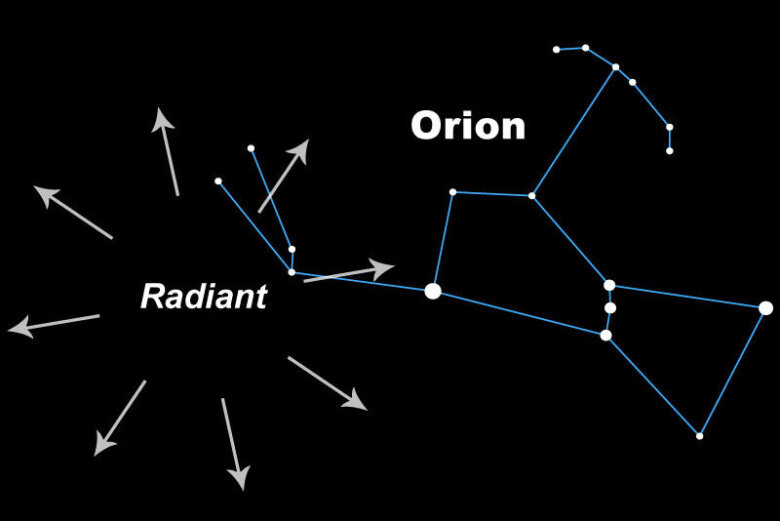
The 2026 Orionid meteor shower peaks overnight on October 21-22, offering up to 20 meteors per hour under dark skies. While a waxing gibbous moon hinders early evening viewing, it sets around 3 a.m., allowing optimal observation from 2 a.m. until dawn. The meteors originate from Halley's Comet debris and appear to radiate from near Betelgeuse in the constellation Orion.

Orionid Meteor Shower Peaks Oct 21-22: Fast Halley's Comet Debris Visible Globally
science11 days ago

Orionid Meteor Shower Peaks Oct 21-22: Fast Halley's Comet Debris Visible Globally

The Orionid meteor shower is active from late September to late November, peaking overnight on October 21-22, 2026. Caused by debris from Halley's Comet, these meteors travel at 41 miles per second, producing bright trails and fireballs. While a waxing gibbous moon may hinder visibility, the shower offers 10-20 meteors per hour under ideal conditions.

Orionid Meteor Shower Peaks Oct 21-22; Saturn at Opposition
science18 days ago

Orionid Meteor Shower Peaks Oct 21-22; Saturn at Opposition

The Orionid meteor shower, caused by debris from Halley's Comet, is active until November 7, 2026, peaking overnight on October 21-22. Meteors enter Earth's atmosphere at 41 miles per second, with up to 20 per hour visible under ideal conditions. Saturn is at opposition on October 3-4, appearing brightest. The full moon on October 26 may dim fainter meteors.

October 2026 Sky Guide: Saturn Opposition, Orionids, and Lunar Alignments
science19 days ago

October 2026 Sky Guide: Saturn Opposition, Orionids, and Lunar Alignments

October 2026 offers prime viewing opportunities for Saturn at opposition on October 4, the Orionid meteor shower peak on October 21-22, and the Moon passing near the Pleiades on October 27-28. A thin crescent Moon will occult Jupiter on October 6, while the Hunter's Moon reaches full illumination on October 26. Skywatchers should note that a waxing gibbous Moon may interfere with meteor viewing, requiring early morning observation after moonset.

October 2026 Skywatching: Saturn’s Rings Return, Orionids Peak, and Moon Meets Pleiades
astronomy19 days ago

October 2026 Skywatching: Saturn’s Rings Return, Orionids Peak, and Moon Meets Pleiades

October 2026 offers prime viewing for Saturn at opposition on Oct. 4, the Orionid meteor shower peak on Oct. 21-22, and a lunar conjunction with the Pleiades on Oct. 27-28. Saturn’s rings are visible again after a 2025 edge-on crossing, with a 7-degree tilt. The Orionids may be dimmed by a waxing gibbous moon, requiring pre-dawn observation. The Pleiades conjunction is visible to the naked eye, with binoculars revealing more detail.

Best Tips for Watching the Orionid Meteor Shower Peak Tonight
science1 year ago

Best Tips for Watching the Orionid Meteor Shower Peak Tonight

The October new moon provides ideal dark skies for viewing the Orionid meteor shower and the rare Comet Lemmon, which is closest to Earth on October 21, 2025. The meteor shower peaks around October 20-21, with 10-20 meteors per hour, visible from dark locations between midnight and pre-dawn. Comet Lemmon can be seen near the Big Dipper in the northwest, brightest until late October. The new moon on October 21 offers optimal conditions for stargazing, with brighter stars and minimal moonlight interference.