
SpaceX schedules dual Falcon 9 launches for classified military and commercial satellite missions
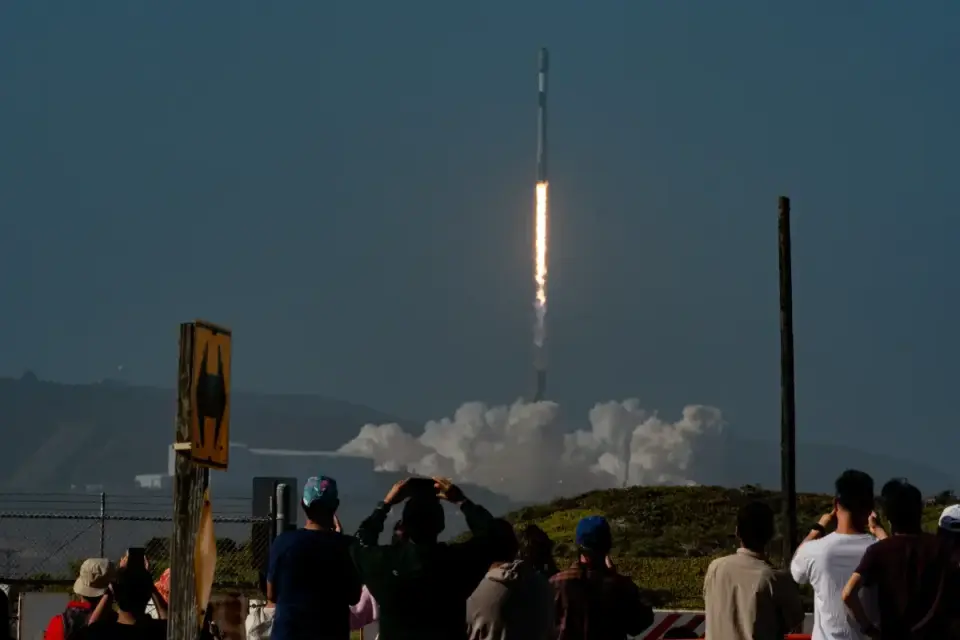
SpaceX is set to launch two Falcon 9 rockets within 38 minutes of each other on August 15, 2026. The first mission, USSF-366, is a classified US Space Force launch from Vandenberg Space Force Base in California, potentially deploying military satellites. The second mission, Globalstar 2R Launch 1, will deploy eight commercial communication satellites from Cape Canaveral Space Force Station in Florida. Both launches are scheduled for the evening, with the California liftoff at 6:50 p.m. and the Florida liftoff at 9:12 p.m. EDT. The California mission's payload remains undisclosed, while the Florida mission aims to replenish Globalstar's low-Earth orbit constellation. SpaceX plans to livestream the California launch, and the booster is expected to land on a drone ship in the Pacific Ocean.
Key points
- SpaceX scheduled two Falcon 9 launches for August 15, 2026, within 38 minutes of each other.
- The first launch, USSF-366, is a classified US Space Force mission from Vandenberg Space Force Base in California at 6:50 p.m.
- The second launch, Globalstar 2R Launch 1, will deploy eight satellites from Cape Canaveral Space Force Station in Florida at 9:12 p.m. EDT.
- The California mission's payload is undisclosed, but spaceflight outlets suggest it may involve deploying military satellites into low-Earth orbit.
- The Florida mission aims to replenish Globalstar's low-Earth orbit constellation, with a deployment sequence beginning 56 minutes after liftoff.
- SpaceX plans to livestream the California launch, and the booster is expected to land on the drone ship 'Of Course I Still Love You' in the Pacific Ocean.
Background
SpaceX has a history of launching Starlink satellites from Vandenberg Space Force Base, with recent missions including a 24-satellite deployment on August 1, 2026, and a delayed launch on July 20, 2026. The company has also conducted multiple launches from Cape Canaveral, including a rare last-second abort on July 20, 2026. The Globalstar launch was initially scheduled for May 17, 2026, but was delayed to allow more time for satellite preparation. Amazon's pending acquisition of Globalstar is expected to close in 2027, which would allow Amazon Leo to add direct-to-device capabilities to its constellation.
How outlets are covering it
The California Post emphasizes the classified nature of the USSF-366 mission, noting that little is known about the payload, while spaceflight outlets suggest it may involve deploying military satellites. Spaceflight Now focuses on the Globalstar 2R Launch 1, highlighting the replenishment of Globalstar's low-Earth orbit constellation and the pending Amazon acquisition. Florida Today provides detailed information on where to watch the Florida launch, including viewing spots along the Space Coast and the Treasure Coast. space.com highlights the record-setting nature of the dual launches, noting that the two Falcon 9 rockets will launch within 38 minutes of each other.
Why it matters
The dual launches demonstrate SpaceX's capability to conduct multiple missions in a short timeframe, highlighting its role in both military and commercial satellite deployments. The classified nature of the USSF-366 mission underscores the growing importance of space-based military capabilities, while the Globalstar launch reflects the competitive landscape in satellite communications, particularly with Amazon's pending acquisition of Globalstar. The record-setting nature of the dual launches also highlights SpaceX's efficiency and operational capacity, which could have implications for future space missions and commercial space activities.
What to watch
SpaceX is expected to launch the USSF-366 mission from Vandenberg Space Force Base at 6:50 p.m. on August 15, 2026, with a backup window on Sunday at 2:38 p.m. The Globalstar 2R Launch 1 is scheduled for 9:12 p.m. EDT on the same day, with a 15-minute launch window. The California launch will be livestreamed by SpaceX, and the booster is expected to land on the drone ship 'Of Course I Still Love You' in the Pacific Ocean. The Florida launch will be covered live by USA TODAY Network's Space Team, with coverage starting 90 minutes before liftoff. The Amazon acquisition of Globalstar is expected to close in 2027, which could impact the future of satellite communications and direct-to-device capabilities.
- Top-secret SpaceX mission to launch from California New York Post
- Live coverage: SpaceX to launch satellite replenishment mission for Globalstar from Cape Canaveral Spaceflight Now
- New record! SpaceX launches 2 Falcon 9 rockets just 38 minutes apart space.com
- SpaceX Florida rocket launch this weekend. Best places to see liftoff Florida Today
- SpaceX launches Globalstar mission from Florida's Space Coast WESH
Want the full story? Read the original reporting
Read on New York Post