
Nepal Flood Toll Tops 1,100 as Rescue Stalls and Humanitarian Aid Arrives
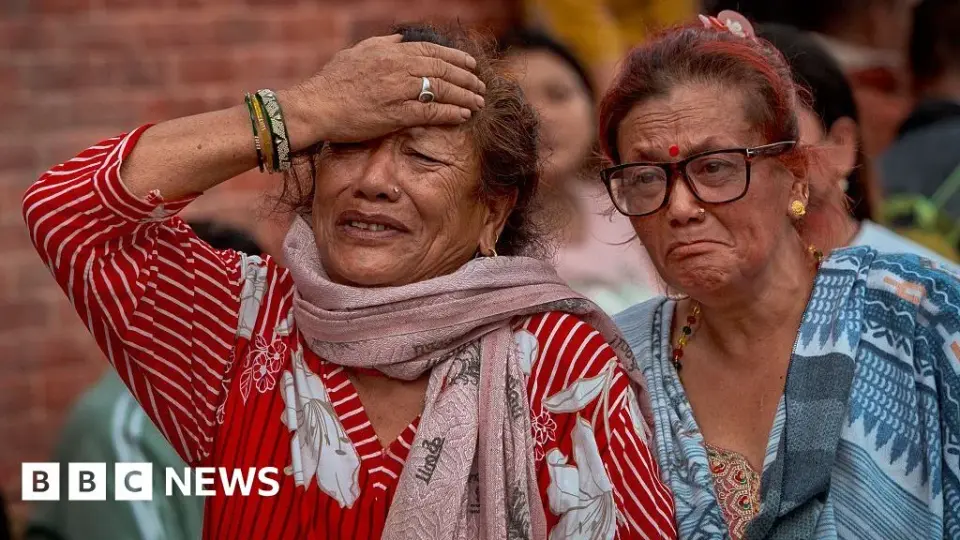
A week after a glacial collapse triggered catastrophic flash floods along the Nepal-Tibet border, death tolls have risen to over 1,100 in Nepal and 21 in Tibet, with nearly 4,500 people missing. Rescue operations face severe access challenges due to destroyed infrastructure, while international aid, including from the Vatican, begins to reach affected communities. Displaced families are struggling with disease risks and bureaucratic barriers in locating missing relatives.
Key points
- At least 1,114 people have died in Nepal and 21 in Tibet, with nearly 4,000 and 540 missing respectively, according to official counts.
- Over 12,000 people have been rescued, but hundreds remain trapped in hydropower tunnels and remote areas inaccessible by road.
- More than 40 bridges have been destroyed, forcing reliance on army helicopters and temporary structures for aid delivery.
- Nepal has declared a three-month disaster status in 15 areas, and the UN has launched a four-month humanitarian appeal.
- Pope Leo XIV has sent financial aid to Caritas Nepal to support food, shelter, and medical needs for the displaced.
Background
The disaster began on August 26, 2026, when a glacial collapse triggered massive flash floods in the Himalayan valley. Earlier reports indicated rising death tolls and missing persons, including foreign nationals. Chinese authorities restricted media access to the Tibetan side of the border, limiting information on casualties there.
How outlets are covering it
BBC reports that the UN is intensifying relief efforts, highlighting the logistical nightmare of accessing remote villages and the political dimension of climate change responsibility. Al Jazeera focuses on the human cost, detailing the struggle of a father from a marginalized community who was denied access to morgues and rescue camps, suggesting ethnic discrimination in the response. Vatican News emphasizes the humanitarian and spiritual response, noting the Pope’s direct financial aid and prayers for the victims, while contrasting the Nepal crisis with violence in Haiti.
Why it matters
The disaster exposes the fragility of Himalayan infrastructure and the inadequacy of early warning systems for glacial events. It highlights the intersection of climate change, poverty, and ethnic marginalization in disaster response. The international response, including UN appeals and Vatican aid, underscores the global nature of the crisis and the need for coordinated humanitarian support.
What to watch
Rescue teams will continue searching for missing persons, particularly in hydropower tunnels and remote areas. The UN and Nepalese government will coordinate the four-month humanitarian appeal. International pressure may increase on China to provide more information on the Tibetan side of the border. Long-term recovery will focus on rebuilding infrastructure and addressing climate change risks in the Himalayas.
- Nepal-Tibet flood: Thousands still missing as flood relief and recovery intensifies BBC
- Good chance that trapped workers are still alive in Nepal hydropower plant, official says Reuters
- Nepal floods: Father borrows $13, walks for days to search for missing son Al Jazeera
- Pope Leo urges release of Haiti hostages, aid for Nepal after deadly floods Vatican News
Want the full story? Read the original reporting
Read on BBC