
Panama hit by 7.7 quake, triggering tsunami warnings and widespread evacuations
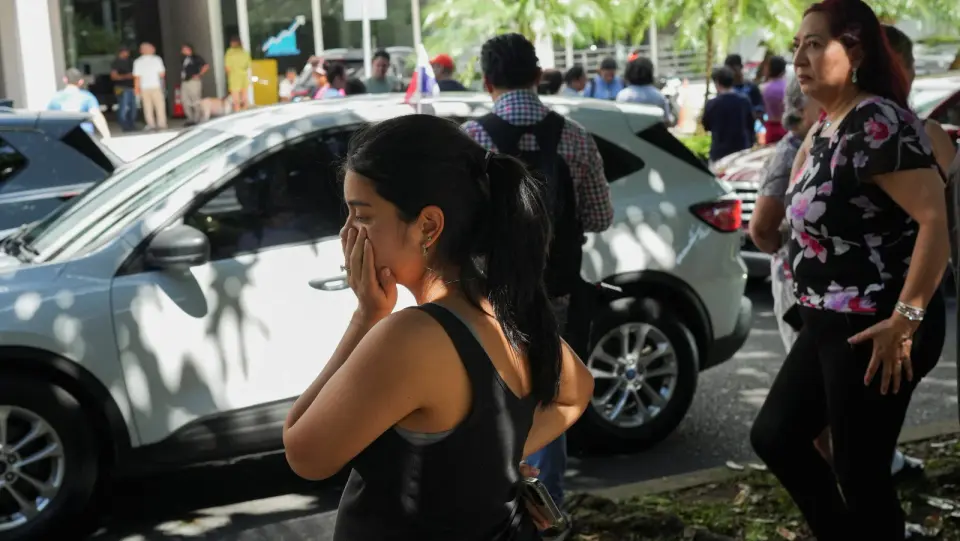
A magnitude 7.7 earthquake struck southern Panama on October 9, causing significant damage and triggering tsunami warnings across Central America. While the Panama Canal and major copper mines remained operational, President José Raúl Mulino mobilized the entire government to respond to the crisis. The US State Department is coordinating assistance for the tens of thousands of Americans living in the country, as aftershocks continue to rattle the region.
Key points
- The USGS reported a preliminary magnitude of 7.7, though it was initially listed as 8.0 before being revised. The epicenter was located near Pitaloza Arriba, with a depth of 12.6 km.
- The National Tsunami Warning Center issued alerts for Panama, Colombia, Costa Rica, Ecuador, Peru, Nicaragua, Guatemala, El Salvador, and Mexico.
- President Mulino declared a national mobilization, stating that some roads had 'completely collapsed' and that he would personally coordinate relief efforts in the most affected areas.
- The Panama Canal Authority confirmed normal operations, and the Cobre Panama copper mine reported no disruptions, despite the quake being felt in neighboring Costa Rica.
- Secretary of State Marco Rubio announced that the US is mobilizing resources and personnel at Panama's request, providing emergency contact numbers for American citizens in the region.
Background
This event follows a series of seismic activities reported in late 2026, including a 4.2-magnitude quake in Puget Sound in September and a 4.1-magnitude tremor in southern Lebanon in early October. While those events were localized, the Panama quake is significantly more powerful, with the USGS estimating that economic losses could reach up to 10% of the country's GDP.
How outlets are covering it
While all three outlets agree on the 7.7 magnitude and the general location, they emphasize different aspects of the response. USA Today focuses heavily on the diplomatic and logistical response from the US government, highlighting Rubio's mobilization of resources and the specific phone numbers for American citizens. The Guardian provides a more granular look at the on-the-ground impact, detailing the panic in Panama City, the collapse of a cathedral in Penonome, and the specific economic estimates from the USGS. The New York Times focuses on the technical details of the aftershocks and the shake intensity, noting that the quake was felt across a wide area but resulted in 'weak' shaking in some zones. There is a slight discrepancy in the initial magnitude, with USA Today noting the USGS initially reported 8.0 before settling on 7.7.
Why it matters
The earthquake highlights the vulnerability of Central American infrastructure to major seismic events and the critical role of international coordination in disaster response. The fact that the Panama Canal remained operational is significant for global trade, while the mobilization of the US government underscores the importance of the region to American interests and the large expatriate community living there.
What to watch
Authorities are expected to hold a press conference to provide updates on the situation. The focus will shift to assessing the full extent of the damage, managing the aftershocks, and coordinating international aid. The US Embassy is urging Americans to enroll in the STEP program and follow social media accounts for updates.
- Massive earthquake strikes Panama at magnitude 7.7, tsunami threat issued USA Today
- 7.7-Magnitude Panama Earthquake Sets Off Series of Aftershocks The New York Times
- Strong Panama quake damages buildings, disrupts power and air travel Reuters
- Powerful 7.6-magnitude earthquake hits Panama and triggers tsunami warnings The Guardian
- Powerful earthquake rocks Panama NBC Los Angeles
Want the full story? Read the original reporting
Read on USA Today