
Scottish ecologist faces suspension after wildlife charities condemn his decision to keep rescued badger
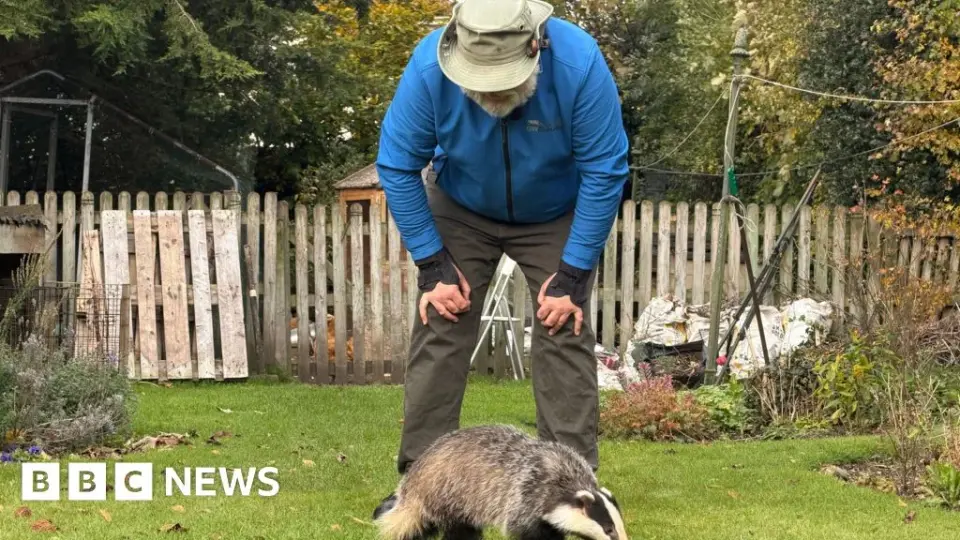
Graeme Wilson, a Scottish ecologist, has been suspended from the British Wildlife Rehabilitation Council after three major wildlife charities criticized his decision to retain custody of a badger named Harriet. Wilson rescued the animal from a cattle trough in April, arguing she was too habituated to humans to survive in the wild. NatureScot rejected his application for an educational license, and the charities stated that her only viable options are euthanasia or placement in a sanctuary, warning that keeping her in captivity violates welfare principles.
Key points
- Graeme Wilson, who runs GW Ecology in Denholm, Scottish Borders, was suspended from the British Wildlife Rehabilitation Council for failing to uphold their principles.
- Wilson rescued a badger named Harriet from a cattle trough 300 feet from her sett, claiming she was previously hand-reared and too accustomed to humans to be released.
- NatureScot rejected Wilson's application to keep the badger under an educational license.
- The British Wildlife Rehabilitation Council, Scottish Badgers, and the Badgers Trust issued a joint statement criticizing the case as raising serious animal welfare concerns.
- The charities stated that Harriet should have been rewilded and grouped with other cubs, and that her current situation is not suitable for a badger.
- Wilson maintains that he did not hand-rear the badger but provided critical care to a dehydrated animal, and believes keeping her in captivity is the humane option if release is impossible.
Background
This dispute follows earlier reports in November 2026 where Wilson was described as fighting to retain custody of Harriet, with NatureScot seeking a pragmatic resolution after rejecting his license application. The case highlights ongoing tensions in UK wildlife conservation regarding the handling of habituated native species, contrasting with broader efforts to mitigate human-wildlife conflicts, such as recent appeals for drivers to reduce speeds to protect red squirrels.
Why it matters
The case underscores strict regulatory boundaries in UK wildlife rehabilitation, emphasizing that native wild animals should not be kept in permanent captivity except in exceptional circumstances. It highlights the legal and ethical risks for individuals who attempt to retain custody of rescued wildlife without proper licensing, and reinforces the importance of seeking professional help from reputable rescue centers rather than intervening independently.
What to watch
Wilson remains defiant in his stance, while the charities have indicated that Harriet's options are limited to euthanasia or placement in a zoo or sanctuary. NatureScot is expected to continue seeking a resolution for the animal's welfare, though the specific outcome remains pending.
Want the full story? Read the original reporting
Read on BBC