
Bronze Age Wreck Found Off Turkey May Be World's Oldest
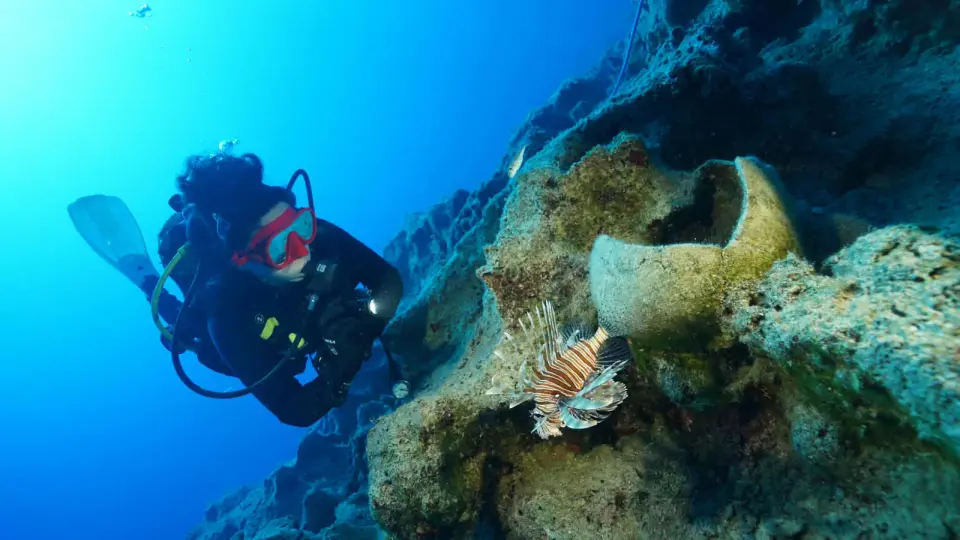
A Bronze Age shipwreck discovered near Kekova Island, Turkey, is being dated to 4,400–4,700 years ago, potentially making it the oldest known shipwreck. The vessel, estimated at 30 feet long, sank with its cargo of over 30 amphorae and stone anchors. Researchers are analyzing residues to determine if the containers held olive oil, wine, or dairy products, offering new insights into early Mediterranean trade routes.
Key points
- The wreck was first detected in 2024 by Akdeniz University researchers and lies approximately 100 feet deep near Kekova Island.
- Dating is based on the style of amphorae, which match vessels found in Egypt and the Middle East from the early Bronze Age.
- The cargo included more than 30 amphorae and three large stone anchors, suggesting a trade vessel of significant size.
- One amphora features unique markings and holes, leading some officials to suggest it may have been used for churning cheese or butter.
- The discovery predates the previous oldest known shipwrecks by several centuries, surpassing sites like Cape Gelidonya.
Background
Previous major Bronze Age shipwrecks found off the Turkish coast, such as Cape Gelidonya and Uluburun, date to roughly 3,300 years ago. This new discovery pushes the timeline back to the early Bronze Age, coinciding with the construction of the Great Pyramid of Giza. The wreck provides a new data point for understanding maritime networks in the eastern Mediterranean during a period when the Hattian civilization was emerging.
How outlets are covering it
Archaeology Magazine and Scientific American emphasize the age of the wreck and the significance of the amphorae's style for dating. ABC News highlights the cultural context, noting the discovery dates to the era of the Great Pyramid's construction. CNN and ABC News report on statements from Turkish Culture Minister Mehmet Nuri Ersoy, who suggested the amphorae may have been produced in the Jordan Valley and used for dairy products, a detail not emphasized by the academic-focused outlets. While all sources agree on the 4,400–4,700 year timeframe, they differ in focus: academic sources highlight the trade route implications, while news outlets focus on the 'oldest' superlative and specific cargo contents.
Why it matters
This discovery redefines the timeline of maritime trade in the Mediterranean, pushing it back by centuries. It provides physical evidence of long-distance trade networks connecting the Levant, Egypt, and the Aegean during the early Bronze Age, offering insights into the daily lives of ancient mariners and the economic connections between early civilizations.
What to watch
Researchers, including Karin Sowada of Macquarie University, are currently analyzing residues from the intact amphorae to determine their original contents. Further analysis of the stone anchors and clay composition will help confirm the origin of the vessels and the specific trade routes used by the crew.
- News - World's Oldest Shipwreck Discovered in the Mediterranean Archaeology Magazine
- Shipwreck believed to be the world's oldest discovered off the coast of Turkey ABC News - Breaking News, Latest News and Videos
- Archaeologists in Turkey may have found the world’s oldest shipwreck FOX Weather
- World’s oldest shipwreck found off coast of Turkey CNN
- Could this ancient shipwreck be the oldest ever found? Scientific American
Want the full story? Read the original reporting
Read on Archaeology Magazine