
Chilean Lake Basin Yields 13,000-Year-Old Evidence of Early Human Butchery
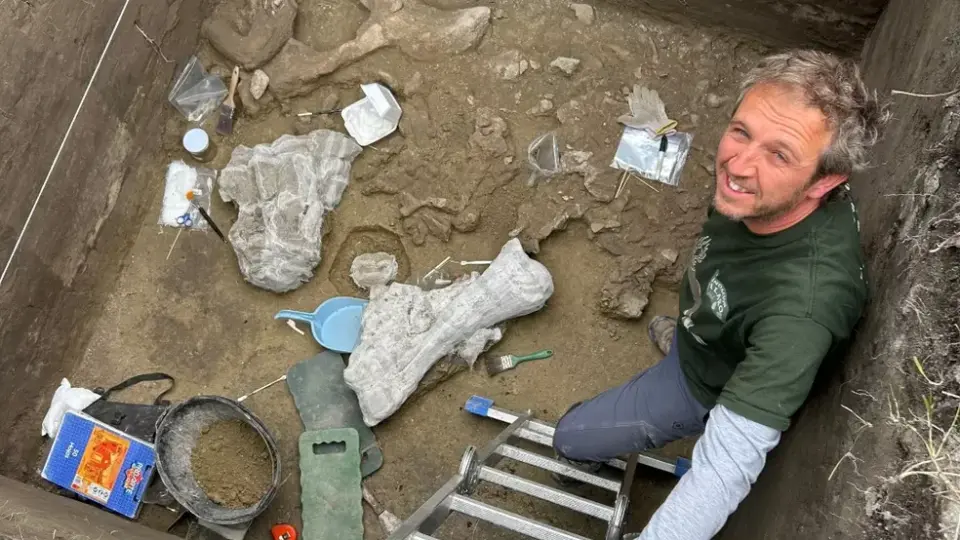
Archaeologists in central Chile have uncovered stone tools and butchered bones of extinct gomphotheres dating to 12,000–13,000 years ago. Found in the basin of ancient Lake Tagua Tagua, these remains provide new evidence of early human occupation in southern South America, predating many known sites but following the oldest confirmed site, Monte Verde.
Key points
- Excavations in the Lake Tagua Tagua basin revealed a concentration of megafauna remains and stone tools.
- Bones from gomphotheres, an extinct group of tusked mammals related to elephants, display clear human-made cut marks.
- The artifacts and bones are dated to approximately 12,000 to 13,000 years ago.
- Previous finds at the site included bones of extinct horses and deer with signs of burning and cutting.
- The discovery adds to the evidence of early hunter-gatherer presence in the Southern Cone of South America.
Background
This discovery contributes to the ongoing debate regarding the timing of the first human arrival in the Americas. While Monte Verde in Chile is currently the oldest confirmed site at 14,500 years ago, other sites like Huaca Prieta in Peru and Arroyo Seco in Argentina date to around 14,000 years ago. The Tagua Tagua findings, while slightly younger, reinforce the pattern of early human exploitation of megafauna in the region. Recent studies have also questioned the age of Monte Verde, suggesting it may be younger than previously thought, which makes new dated sites like Tagua Tagua significant for refining the timeline of human migration.
How outlets are covering it
Live Science and Archaeology Magazine both highlight the significance of the cut marks on gomphothere bones as direct evidence of human butchery. Live Science emphasizes the uniqueness of the assemblage, noting it has 'no known parallels' in South America. Archaeology Magazine focuses on the broader context of early human settlement in the Southern Cone. UA.NEWS provides a concise summary of the findings, reiterating the dating and the presence of stone tools. All sources agree on the 12,000–13,000-year dating and the location in central Chile. There is no disagreement among the sources, but Live Science places greater emphasis on the rarity of the find, while Archaeology Magazine contextualizes it within the broader narrative of human migration.
Why it matters
The discovery of butchered megafauna bones in Chile provides concrete evidence of early human activity in South America, helping to refine the timeline of human migration to the Americas. It supports the theory that early humans were actively hunting and processing large animals, which may have contributed to the extinction of these species. The find also adds to the growing body of evidence that challenges the traditional 'Clovis-first' model of human migration, suggesting that humans may have reached South America earlier than previously thought.
What to watch
The research team will now analyze the sediment samples and remains excavated from the Lake Tagua Tagua basin to further refine the dating and understand the methods used by early humans to kill, process, and consume these animals. This analysis may provide more details about the lifestyle and technology of the first people to inhabit the region.
- 13,000-year-old butchered bones of long-tusked beast found in Chile give more evidence of early first Americans Live Science
- News - Butchered Bones in Chile Dated to 13,000 Years Ago Archaeology Magazine
- 13,000-year-old butchered bones of found in Chile give more evidence of early first Americans Yahoo
- Rare evidence of gomphothere processing uncovered at 13,000-year-old site in Chile Archaeology News Online Magazine
- Traces of human processing of gomphotheres found in Chile 13,000 years ago — Live Science UA.NEWS
Want the full story? Read the original reporting
Read on Live Science