Tag

Human Migration

All articles tagged with #human migration

Genetic Data Places Indigenous Ancestors' Arrival in Americas at 21,000 Years Ago
science7 days ago

Genetic Data Places Indigenous Ancestors' Arrival in Americas at 21,000 Years Ago

A new study suggests the ancestors of today's Indigenous peoples arrived in the Americas no earlier than 21,000 years ago, coinciding with the end of the Last Glacial Maximum. Researchers analyzed genetic data to evaluate three migration models, finding that while humans were definitely present by 13,500 years ago, earlier arrivals remain uncertain due to significant gaps in ancient DNA records.
Chilean Lake Basin Yields 13,000-Year-Old Evidence of Early Human Butchery
archaeology10 days ago

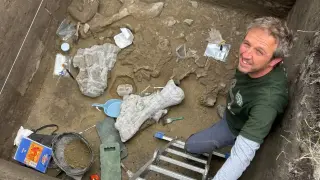
Chilean Lake Basin Yields 13,000-Year-Old Evidence of Early Human Butchery

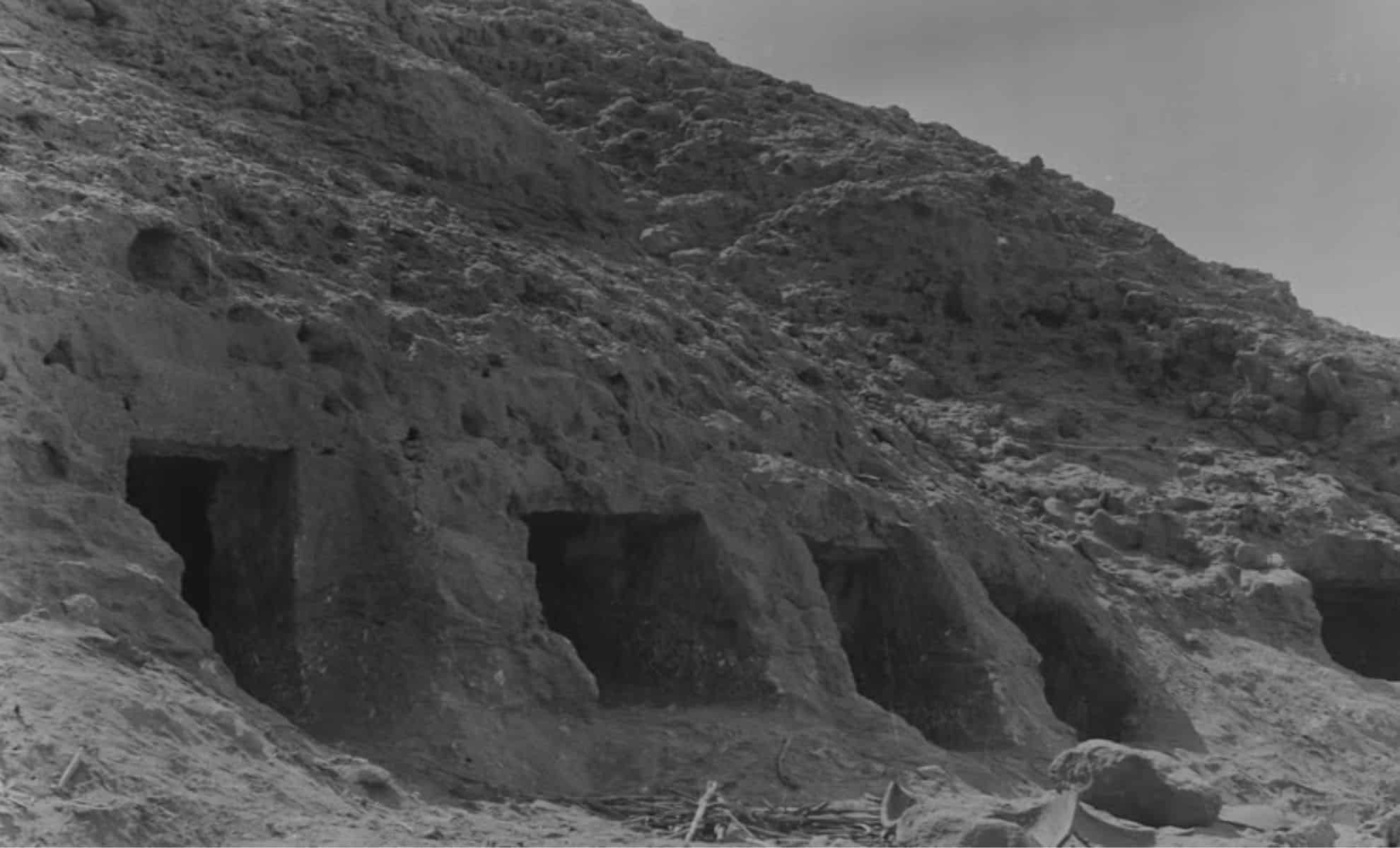
Archaeologists in central Chile have uncovered stone tools and butchered bones of extinct gomphotheres dating to 12,000–13,000 years ago. Found in the basin of ancient Lake Tagua Tagua, these remains provide new evidence of early human occupation in southern South America, predating many known sites but following the oldest confirmed site, Monte Verde.

Indonesian Hand Stencil Could Be World's Oldest Rock Art at 67,800 Years
archaeology8 months ago

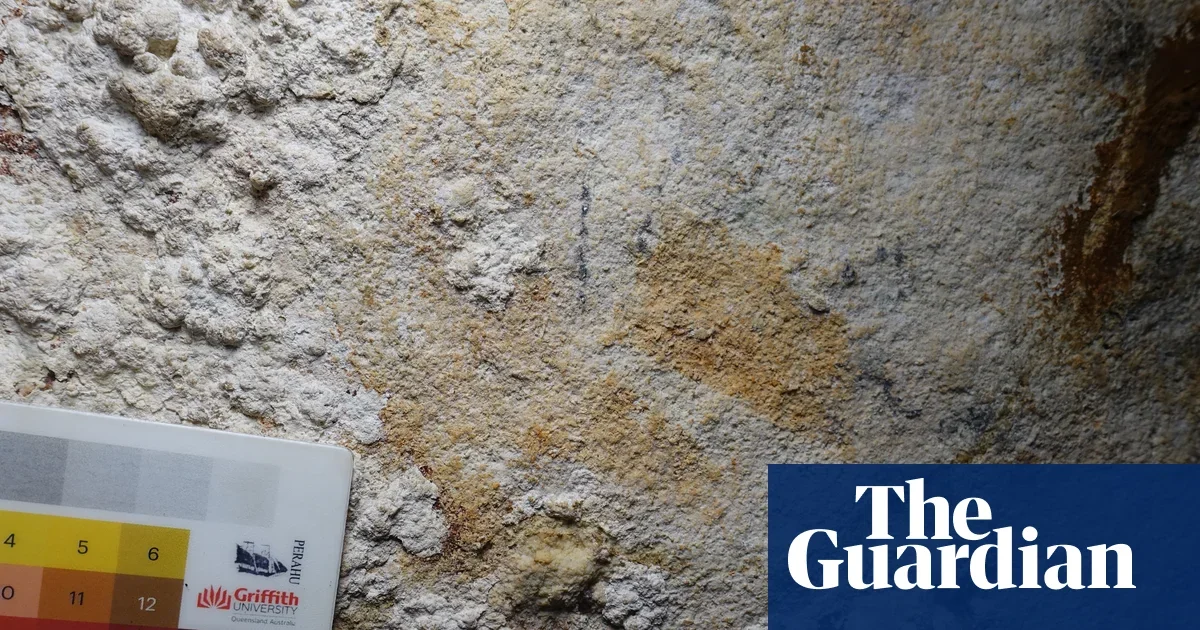
Indonesian Hand Stencil Could Be World's Oldest Rock Art at 67,800 Years

A faded hand outline in Liang Metanduno cave on Sulawesi is dated to at least 67,800 years ago via calcite overgrowth, potentially the oldest known rock art, created by spraying ochre over a hand; the find, along with other Sulawesi paintings dating to 51,200 years, supports early northern dispersal toward Sahul and suggests complex symbolic behavior by Homo sapiens, though attribution to specific hominin groups remains debated.

Digital Portrait Reveals Kennewick Man’s Face, 8,500 Years On
science8 months ago

Digital Portrait Reveals Kennewick Man’s Face, 8,500 Years On

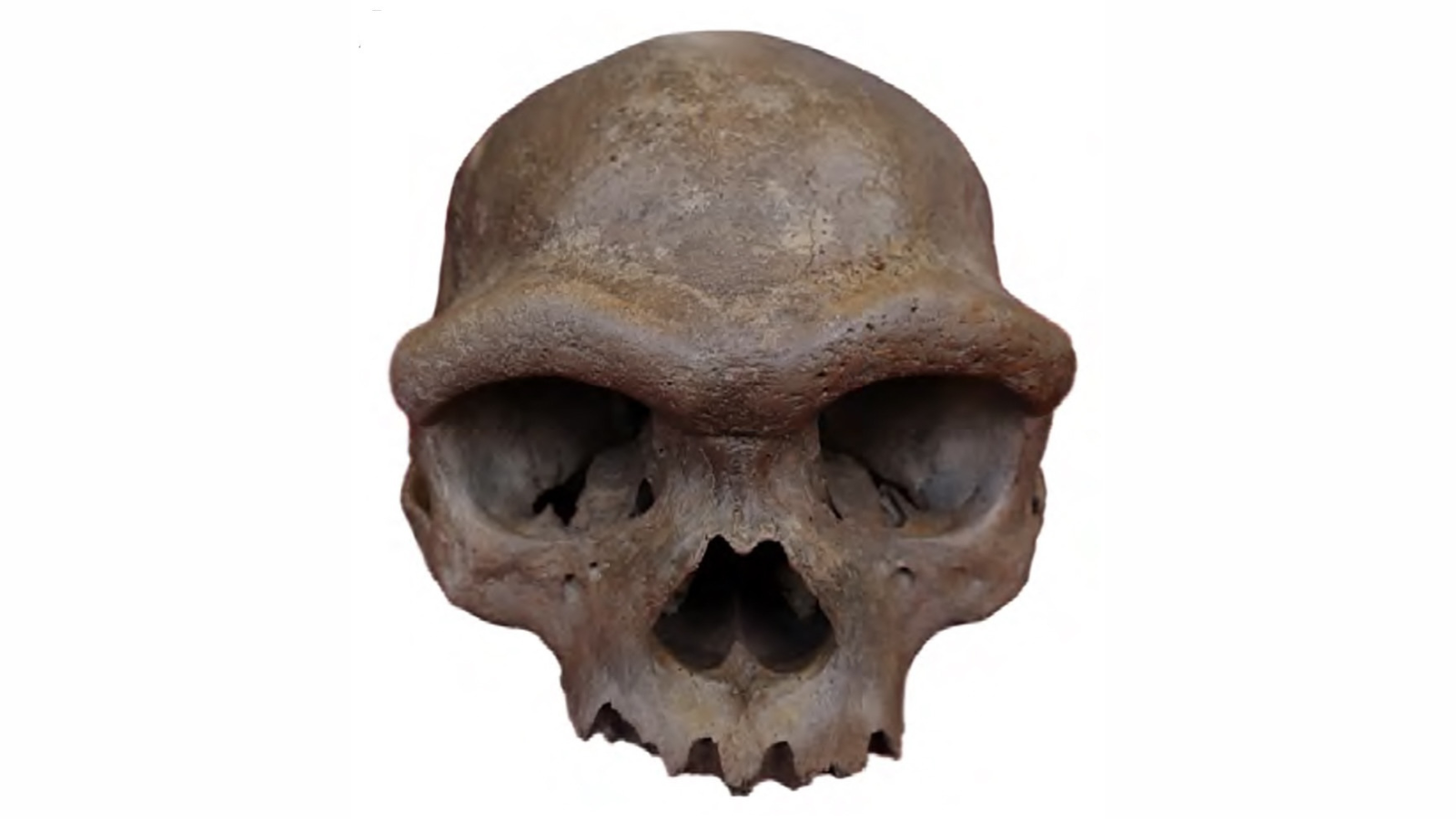
Researchers digitally reconstructed the face of Kennewick Man, one of North America’s oldest skeletons, using skull data and tissue-thickness references to create a neutral facial model and a speculative skin version. The reconstruction highlights prior injuries and trauma, and supports a Paleoindian link to modern Native Americans, offering new insights into early migration and life in ancient America.

Genetic Evidence Traces Dual Routes of Modern Human Arrival in Australia 60,000 Years Ago
science10 months ago

Genetic Evidence Traces Dual Routes of Modern Human Arrival in Australia 60,000 Years Ago

A comprehensive genetic study supports the theory that modern humans first arrived in Australia around 60,000 years ago, revealing two main migration routes from Southeast Asia and emphasizing the deep genetic connections between Aboriginal Australians, New Guineans, and Oceania, thereby refining the timeline of human dispersal out of Africa.

Research Reveals Insights into Language Spread and Ancient DNA
science1 year ago

Research Reveals Insights into Language Spread and Ancient DNA

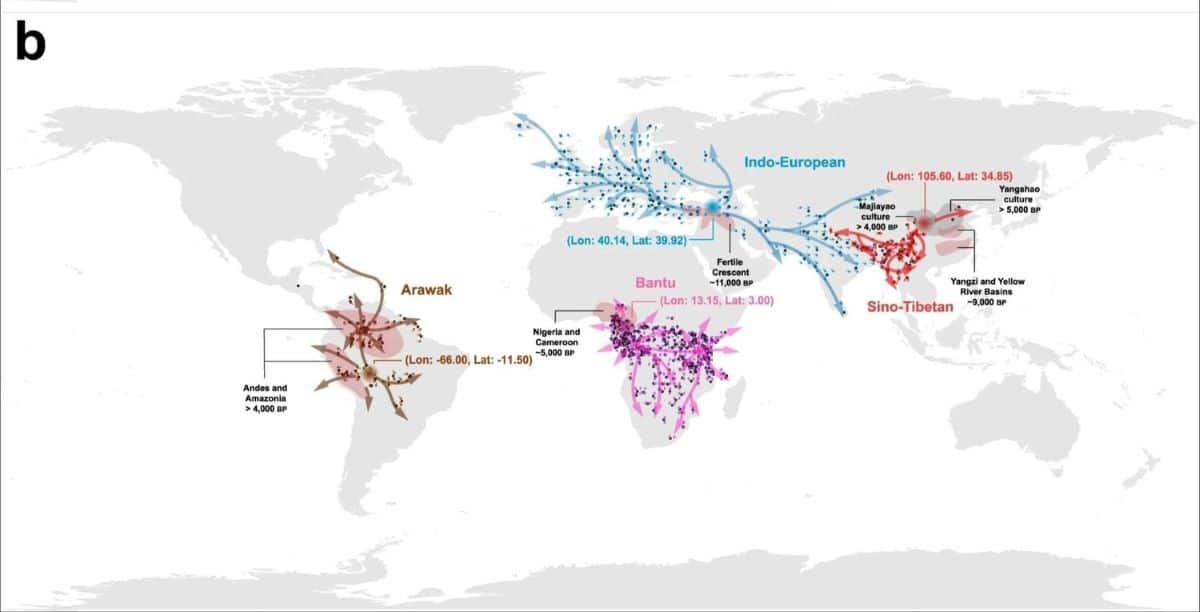
A new computational method called Language Velocity Field (LVF) helps trace the dispersion of languages like Greek, revealing that language spread is closely linked to ancient agricultural movements, particularly supporting the Anatolian hypothesis for Indo-European languages, and offers a comprehensive tool for studying language evolution and human migration.

Submerged Migration Routes Rewrite Human Settlement History
science1 year ago

Submerged Migration Routes Rewrite Human Settlement History

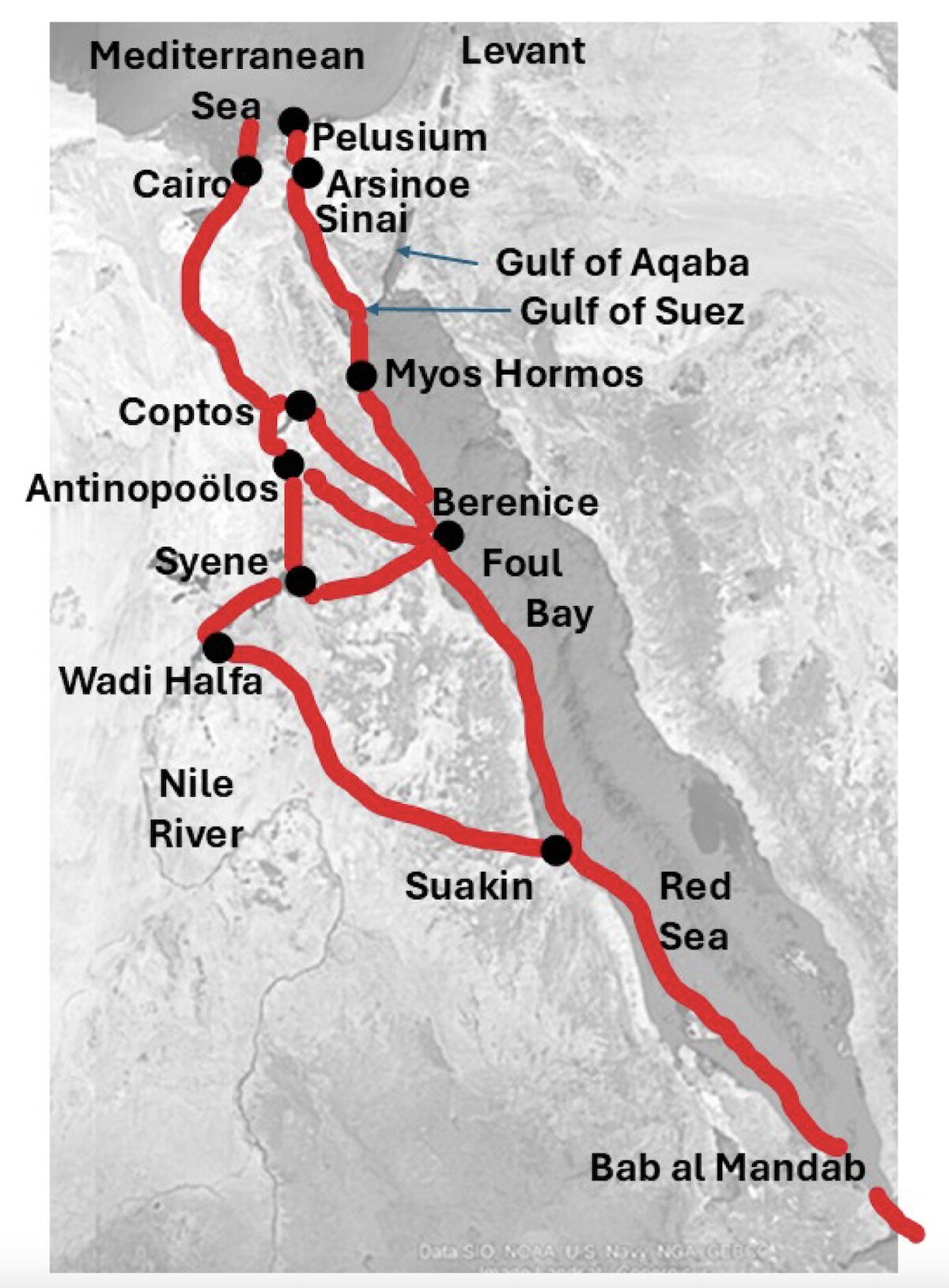
A University of Kansas researcher and colleagues have used improved sea-level models and DNA data to identify submerged ancient human migration routes from Africa, revealing that many pathways, including those through Foul Bay and the Nile, were exposed longer than previously thought, which could reshape understanding of early human dispersal and settlement patterns.

Ancient DNA Rewrites Australia's Human Arrival History
science1 year ago

Ancient DNA Rewrites Australia's Human Arrival History

Recent genetic research suggests humans arrived in Australia around 50,000 years ago, challenging archaeological evidence like the Madjedbebe site indicating a presence 65,000 years ago. The debate centers on reconciling DNA analysis, which links Neanderthal interbreeding to a later arrival, with archaeological findings of early human artifacts. Both fields are evolving, and future discoveries may further clarify the timeline of human settlement in Australia.