
Roman Child’s Coffin Found in Romania Preserves Toys and Protective Amulets
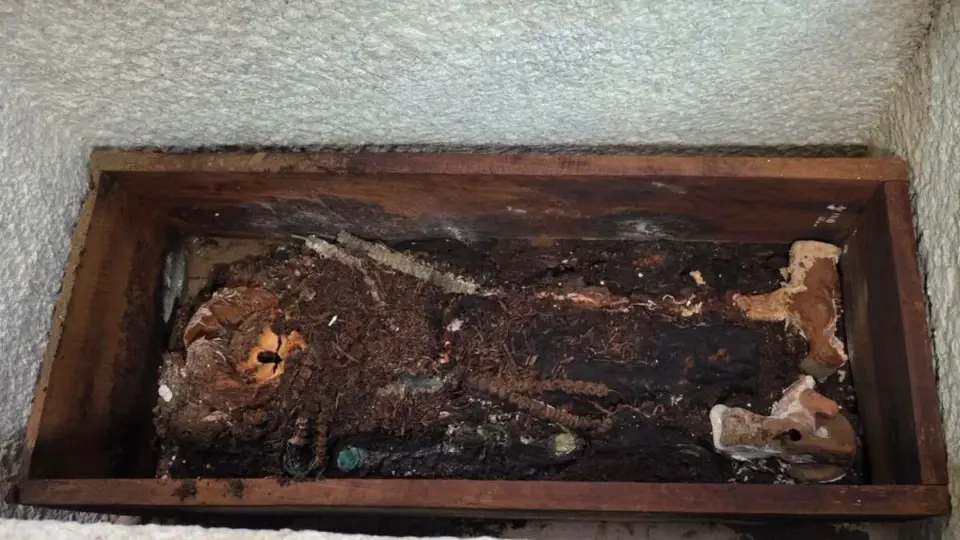
Archaeologists in Constanța, Romania, opened a sealed 1,800-year-old sarcophagus containing a child’s wooden coffin, toys, and protective amulets, offering rare insight into Roman-era funerary practices.
Key points
- A sealed sarcophagus was discovered during preventive excavations in the Flămânda district of Constanța, Romania, near the ancient city of Tomis.
- The sarcophagus, dating to the 2nd or 3rd century CE, contained a well-preserved wooden coffin and the remains of a young child.
- Grave goods included a clay rooster rattle, a wheeled clay horse, flower garlands, bronze jewelry, and two bullae (protective pendants).
- The find is the first well-preserved Roman child’s sarcophagus discovered at Tomis, with the wooden coffin surviving in exceptional condition.
- Researchers are still analyzing the remains to determine the child’s exact age and biological sex, though the grave goods suggest a wealthy family.
Background
Tomis, the ancient Greek and Roman city beneath modern Constanța, was a significant Black Sea port and the place of exile for the poet Ovid. Recent archaeological finds in the region, such as a sealed wooden wardrobe in Pompeii yielding a child’s amulet necklace, highlight the value of preserved organic materials in understanding ancient daily life and funerary customs.
How outlets are covering it
Gizmodo emphasizes the emotional and historical significance of the find, noting that while Roman legal sources suggested limited public mourning for infants, archaeological evidence like this shows families provided attentive, expensive burials for children. The Daily Galaxy highlights the exceptional preservation of the wooden coffin and compares the find to the preserved daily life glimpses at Pompeii and Herculaneum. HeritageDaily focuses on the technical details, noting that while the bullae pendants are traditionally associated with freeborn boys, the child’s biological sex has not yet been confirmed, and the age remains uncertain, with the rattle suggesting infancy but the sarcophagus size suggesting an older child. All sources agree on the rarity and importance of the intact preservation of the funerary inventory.
Why it matters
The discovery provides a rare, undisturbed view of Roman-era childhood and funerary practices in Tomis, offering insights into social status, protective beliefs, and the treatment of young children in ancient society. The exceptional preservation of organic materials, such as the wooden coffin and flower garlands, allows for detailed analysis of ancient craftsmanship and family life.
What to watch
Researchers will conduct detailed anthropological and conservation analyses on the skeletal remains and grave goods to determine the child’s age, sex, and the specific techniques used in the coffin’s construction. The museum plans to publish the findings for scientific use and may display the child’s remains and artifacts to the public once analyses are complete.
- Possible Roman Child's Coffin Included Toys and Lucky Charms Gizmodo
- News - Child’s Sarcophagus Discovered in Romania Archaeology Magazine
- Archaeologists Opened an Untouched 1,800-Year-Old Roman Coffin and Found a Child Buried With His Toys The Daily Galaxy
- Intact Roman child sarcophagus discovered near ancient Tomis in Romania Romania Insider
- 1,800-year-old Roman child’s sarcophagus found with toys inside HeritageDaily
Want the full story? Read the original reporting
Read on Gizmodo