
Tiny Mammoth Ivory Bird Carvings Unearthed in German Cave
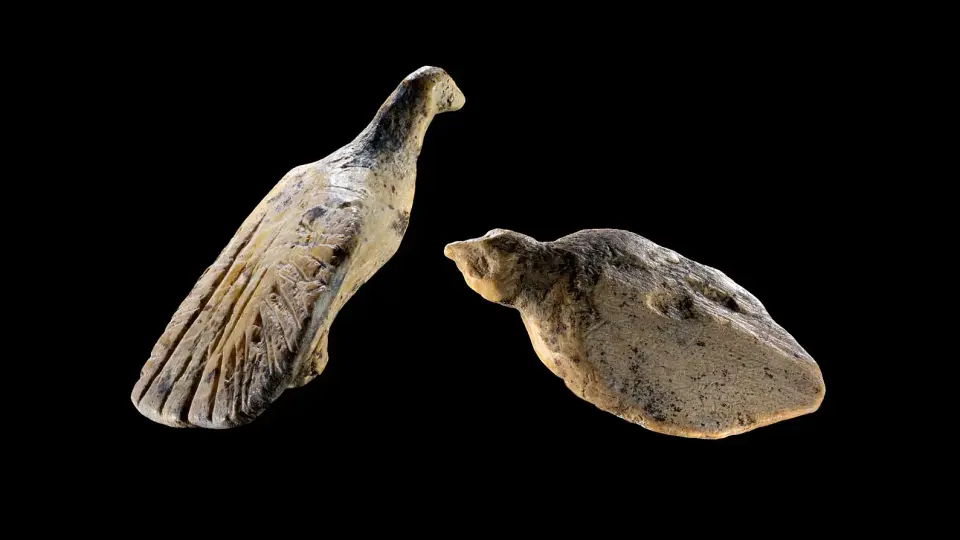
Archaeologists in southwestern Germany have discovered two miniature bird figurines carved from mammoth ivory in the Hohle Fels Cave. Dating back approximately 40,000 years to the Aurignacian period, these artifacts are the smallest known Ice Age artworks found in the UNESCO World Heritage region. The finds, weighing less than a gram each, demonstrate the advanced carving skills of early modern humans and raise questions about the symbolic significance of birds in prehistoric culture.
Key points
- Two bird figurines, roughly 2 cm long and weighing about 1 gram each, were found in 2025 in the Aurignacian layers of Hohle Fels Cave in Baden-Württemberg, Germany.
- The artifacts are dated to approximately 40,000 years ago and are considered the smallest and most delicate examples of Ice Age art ever found in the Swabian Jura World Heritage cluster.
- One figurine depicts a bird crouched low, possibly brooding, while the other shows outstretched wings, suggesting flight or courtship display; both are carved from mammoth ivory.
- The discovery was announced as the 'find of the year' by Professor Nicholas Conard of the University of Tübingen, highlighting the skill of early artists in rendering naturalistic details at a miniature scale.
- The figurines will be displayed at the Museum of Prehistory and Ice Age Art in Blaubeuren until April 2027, alongside other mammoth ivory artifacts including flutes.
Background
The Hohle Fels Cave is part of a UNESCO World Heritage cluster in the Swabian Jura, known for yielding some of the earliest figurative art in human history, including the oldest known human figurine and musical instrument found in 2008. Recent archaeological discoveries in other regions, such as 400,000-year-old cave finds in Israel, have expanded understanding of pre-human camp life, but the Hohle Fels finds specifically illuminate the artistic capabilities of early modern humans in Europe around 40,000 years ago.
How outlets are covering it
Live Science and Sci.News emphasize the technical skill and naturalistic detail of the carvings, noting that the figurines are the smallest known Ice Age art from the region and likely depict ptarmigans or similar birds. Yahoo highlights the mystery surrounding the symbolic meaning of the birds, questioning why birds were a focus of artistic expression at this specific site when other nearby sites featured mammoths, cave lions, and wild horses. All sources agree on the age, location, and material of the finds, but differ in emphasis: Live Science and Sci.News focus on the artistic achievement, while Yahoo focuses on the cultural significance and the lack of bird depictions at other World Heritage sites.
Why it matters
The discovery of these miniature bird figurines provides insight into the artistic capabilities and symbolic behaviors of early modern humans in Europe 40,000 years ago. It challenges previous assumptions about the types of animals depicted in Ice Age art and suggests that birds may have held specific cultural or spiritual significance for the Aurignacian people. The finds also contribute to the broader understanding of human evolution and cultural development in the Upper Danube region.
What to watch
The figurines will be displayed at the Museum of Prehistory and Ice Age Art in Blaubeuren until April 2027. Researchers plan to publish their findings in the journal Archäologische Ausgrabungen in Baden-Württemberg. Further analysis may reveal more about the specific species depicted and the cultural context of the carvings.
- 40,000-year-old bird figurines the size of a thumbnail discovered in German cave Live Science
- Two Tiny Ivory Figurines Dating Back 40,000 Years Add To Enduring Mystery Of Why There Are So Few Birds Depicted In Ice Age Art iflscience.com
- 40,000-Year-Old Bird Figurines Found in German Cave Sci.News
- Miniature, 40,000-year old ivory birds discovered in German cave Yahoo
- Ice Age artists carved thumbnail-size bird figurines from mammoth ivory 40,000 years ago Phys.org
Want the full story? Read the original reporting
Read on Live Science