Tag

Mammoth Ivory

All articles tagged with #mammoth ivory

Ice Age Artists Mimicked Mammoth Tusk Growth Rings in 18,000-Year-Old Ukrainian Figurines
science2 months ago

Ice Age Artists Mimicked Mammoth Tusk Growth Rings in 18,000-Year-Old Ukrainian Figurines

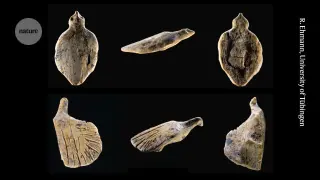
New research reveals that Ice Age artists in Ukraine deliberately incorporated natural growth patterns from mammoth tusks into the designs of 18,000-year-old female figurines. By analyzing 18 artifacts from the Mizyn site using 3D digital modeling, scientists found that engravings like zigzags and meanders closely matched the Schreger and Owen lines found in the ivory. This finding challenges the traditional view that Stone Age art evolved linearly from simple to complex, suggesting instead that Eastern European artists developed independent artistic traditions influenced by the material itself. The study, conducted amid the Russian-Ukrainian war, highlights the importance of digital preservation for cultural heritage at risk from conflict.
Tiny Mammoth Ivory Bird Carvings Unearthed in German Cave
archaeology3 months ago

Tiny Mammoth Ivory Bird Carvings Unearthed in German Cave

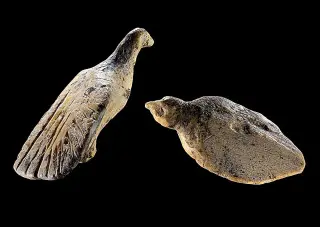
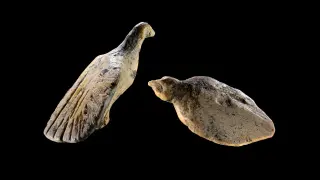
Archaeologists in southwestern Germany have discovered two miniature bird figurines carved from mammoth ivory in the Hohle Fels Cave. Dating back approximately 40,000 years to the Aurignacian period, these artifacts are the smallest known Ice Age artworks found in the UNESCO World Heritage region. The finds, weighing less than a gram each, demonstrate the advanced carving skills of early modern humans and raise questions about the symbolic significance of birds in prehistoric culture.

Tiny 40,000-Year-Old Bird Carvings Unearthed in German Cave Reveal Ice Age Artistic Skill
science4 months ago

Tiny 40,000-Year-Old Bird Carvings Unearthed in German Cave Reveal Ice Age Artistic Skill

Archaeologists in Germany have discovered two miniature bird figurines carved from mammoth ivory, dating back approximately 40,000 years. Found in Hohle Fels Cave, these artifacts are the smallest known Ice Age artworks in the UNESCO World Heritage region. The finds suggest that early humans in Europe possessed sophisticated artistic skills and may have used art to adapt to harsh environmental conditions.