
Attack on Niamey airport and presidential palace leaves situation under control, officials say
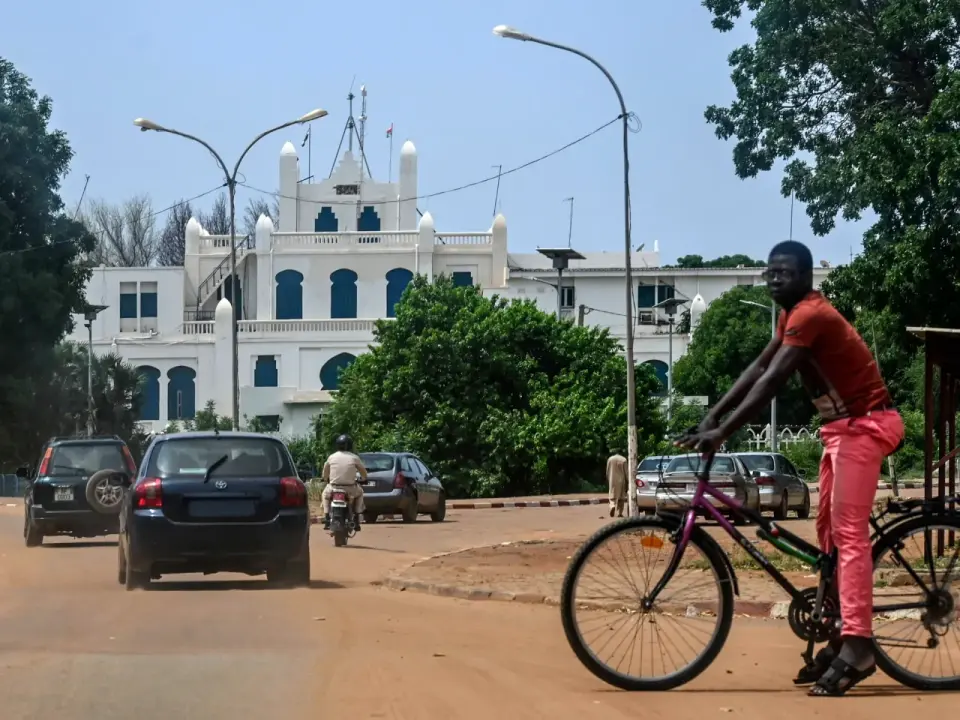
Sustained gunfire and explosions struck multiple sites in Niger's capital, Niamey, early on August 29, 2026. Attacks targeted the Diori Hamani international airport and Base 101, a major military installation, with heavy fire also reported near the presidential palace. Security sources described the perpetrators as 'terrorists' attempting to breach security perimeters. Officials stated that defense forces regained control and neutralized some attackers, while others fled. The cause of the attack was not immediately clear, and Reuters could not independently verify all claims. Niamey remains under military rule since a 2023 coup, with the government having shifted toward Russia and joined the Alliance of Sahel States.
Key points
- Gunfire and blasts were reported in several areas of Niamey, including near the Diori Hamani international airport and the presidential palace, early on August 29, 2026.
- A security source told Reuters that 'terrorists' attacked the airport and attempted to breach the security perimeter around the presidency.
- Local residents reported heavy gunfire and explosions at Base 101, a major military installation in the capital.
- Bana Wagana Ibrahim, a deputy in the Alliance of Sahel States parliament, stated on Facebook that security forces had regained control of Base 101.
- A second security source indicated that attackers had been 'neutralised' while others fled, and search operations were launched.
- Videos showed armoured vehicles deployed to reinforce the area near the airport, with gunfire resuming around 02:13 GMT.
Background
Niger, a mineral-rich West African nation with significant uranium, oil, and gold resources, has been under military rule since General Abdourahamane Tchiani ousted President Mohamed Bazoum in July 2023. Since seizing power, the military government has deepened ties with Russia and joined Mali and Burkina Faso in the Alliance of Sahel States (AES), a breakaway from the regional ECOWAS bloc. This shift has occurred amid broader regional instability, including armed group activities in neighboring areas such as the Nigeria-Niger border, where groups like Lakurawa have been active. Recent security challenges in the Sahel region have prompted increased military deployments and shifts in geopolitical alliances.
Why it matters
The attack on key security sites in Niamey, including the international airport and presidential palace, highlights ongoing security vulnerabilities in Niger despite military control. The incident underscores the risks faced by the military government, which has pivoted toward Russia and away from Western partners. The response by security forces, including the deployment of armoured vehicles and claims of neutralizing attackers, reflects the government's efforts to maintain stability. The attack also signals potential threats from armed groups or 'terrorists' in the region, which could impact Niger's mineral resources and geopolitical alignment. The situation may influence regional dynamics, particularly within the Alliance of Sahel States, and could affect international relations and security cooperation in the Sahel.
What to watch
Security forces are expected to continue search operations to locate and neutralize remaining attackers who fled the scene. The military government may issue further statements on the cause and perpetrators of the attack. International observers and regional bodies, including the Alliance of Sahel States, may monitor the situation for potential escalation. The government may reinforce security around key installations, including the presidential palace and airport. There could be increased scrutiny of security measures and potential shifts in foreign policy or military alliances in response to the attack. The incident may also prompt further discussions on regional security cooperation and the role of external actors, such as Russia, in the Sahel.
Want the full story? Read the original reporting
Read on Al Jazeera