
Hong Kong court convicts Tiananmen vigil organizers in final national security trial
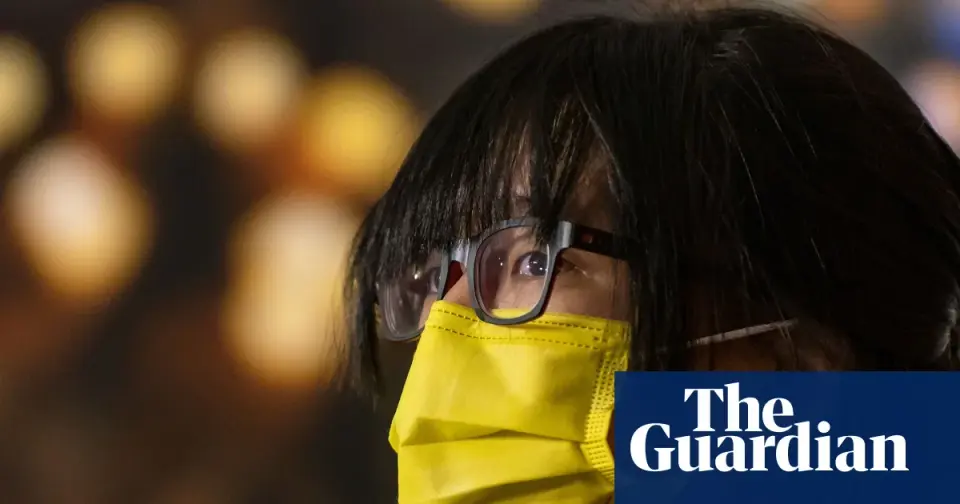
A Hong Kong court has found barrister Chow Hang-tung and former lawmaker Lee Cheuk-yan guilty of inciting subversion for organizing the annual Tiananmen Square vigil. The verdict marks the end of a high-profile trial under Beijing’s 2020 national security law, with both facing up to 10 years in prison. While authorities frame the case as upholding stability, critics view it as a symbolic erasure of Hong Kong’s pro-democracy movement and freedom of speech.
Key points
- Chow Hang-tung and Lee Cheuk-yan were convicted on Friday at West Kowloon Court for inciting subversion related to the Tiananmen vigil.
- The defendants face a maximum sentence of 10 years under the national security law imposed in 2020.
- A third co-defendant, Albert Ho, had previously pleaded guilty, potentially facing a reduced sentence.
- Chow, a 41-year-old barrister, represented herself in court and has written essays from prison about freedom and civil rights.
- The annual vigil, which drew tens of thousands, was banned in 2020 citing pandemic controls before the security law took full effect.
Background
This verdict follows a broader crackdown on dissent in Hong Kong since the 2019 protests. The national security law, introduced in 2020, has led to the jailing or exile of many pro-democracy leaders. The Hong Kong Alliance in Support of Patriotic Democratic Movements of China, which organized the vigil, has been disbanded. Previous archive coverage confirms the conviction was widely reported as a significant step in the suppression of public remembrance for the 1989 events.
How outlets are covering it
The Guardian emphasizes the personal resilience of Chow Hang-tung, highlighting her prison writings and her background as a seismologist turned barrister. It frames the trial as a test of civil rights against an oppressive state. CNN focuses on the legal and political implications, noting that the verdict occurs shortly after Chinese leader Xi Jinping praised the 1989 crackdown. CNN highlights the defense argument that the activists sought democracy, not subversion, and contrasts the government’s stance on stability with Western criticism of the crackdown. Both outlets agree on the factual outcome but differ in emphasis: The Guardian centers on the individual’s moral stance, while CNN centers on the geopolitical and legal context.
Why it matters
This conviction signals the near-total suppression of public dissent in Hong Kong. The national security law has effectively ended large-scale pro-democracy activities and silenced key voices. The case illustrates how Beijing uses legal mechanisms to eliminate opposition, with critics arguing that the erosion of freedom of speech undermines the city’s unique status. The verdict also highlights the isolation of activists, as communication with family is restricted, and the broader impact on human rights in the region.
What to watch
Sentencing for Chow and Lee is expected later in 2026. The outcome will determine the severity of the punishment and may influence future cases under the national security law. Observers will watch for any international reactions or diplomatic responses to the verdict. The case may also serve as a precedent for other national security prosecutions in Hong Kong.
- ‘She’s not afraid of anyone’: the prison writings of one of Hong Kong’s last outspoken democracy activists The Guardian
- Hong Kong court convicts Tiananmen vigil group leaders of inciting subversion Reuters
- Hong Kong Court Convicts Activists Who Organized Tiananmen Vigils WSJ
- Hong Kong’s Tiananmen vigil fell dark years ago. Now its organizers have been convicted CNN
- Hong Kong hits back at Western ‘slander’ over verdict on Tiananmen vigil leaders South China Morning Post
Want the full story? Read the original reporting
Read on The Guardian