
NATO Deploys New Assets as Black Sea Drone Strikes Threaten Global Food Supply
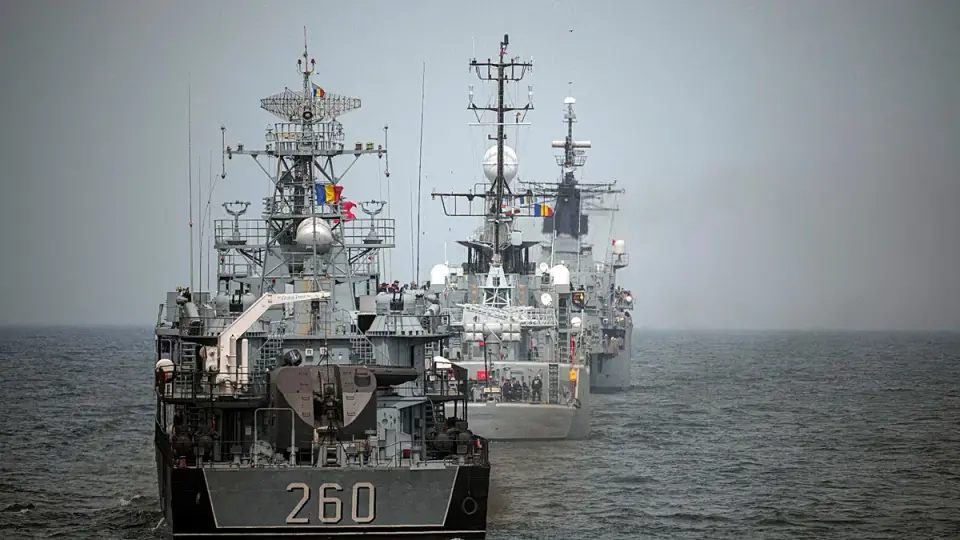
NATO is deploying additional surveillance and patrol assets to the Black Sea following a surge in deadly drone attacks on merchant shipping. EU officials warn that these strikes, which have killed at least 23 sailors in two weeks, are exacerbating a global food crisis by disrupting Ukrainian grain exports and threatening alternative overland routes.
Key points
- NATO announced the deployment of maritime patrol aircraft, radar systems, drones, and intelligence personnel to the Black Sea region to enhance situational awareness and counter threats.
- At least six vessels were attacked in the past 10 days, with 23 sailors reported dead or missing, including incidents in the territorial waters of NATO members Romania and Bulgaria.
- EU High Representative Kaja Kallas stated that Ukraine is losing approximately €60 million daily in export revenue due to the disruption of sea routes, describing the situation as a 'perfect storm' for global food supplies.
- Romania has recorded 35 unauthorised drone incursions this year, compared to nine in 2025, and has downed six drones, including suspected Russian-made Geran-4 models flying at 450 km/h.
- The London shipping insurance market has designated the entire Black Sea, excluding the territorial waters of Romania, Bulgaria, and Turkey, as a high-risk zone, causing insurance prices to skyrocket.
Background
This escalation follows a series of incidents in October 2026, including the sinking of a Turkish grain carrier on October 5 and the striking of two vessels off Bulgaria's coast on October 13, which left 11 crew members missing. These events have heightened tensions along NATO's eastern flank, with previous archive coverage noting that Bulgaria summoned the Russian envoy and NATO pledged to adjust its posture in response to the growing maritime threats.
How outlets are covering it
While Euronews and Al Jazeera emphasize the impact on global food security and the 'perfect storm' of climate and conflict, The Guardian and The Maritime Executive focus on the military and legal dimensions. The Guardian highlights the specific drone technology used and the rising death toll, while The Maritime Executive notes the legal complexities regarding flag states and coastal state responsibilities under UNCLOS. All sources agree on the escalation of attacks, but The Maritime Executive points out that NATO's response is reactive, contingent on member state requests, whereas Euronews frames the NATO deployment as a proactive measure to address the 'dangerous and unacceptable escalation' cited by Kallas.
Why it matters
The disruption of Black Sea shipping routes threatens global food stability, particularly for nations dependent on Ukrainian grain. The escalation into NATO member states' territorial waters risks a broader conflict, while the rising insurance costs and loss of life are making the region the world's most dangerous for commercial shipping. The 'perfect storm' of climate issues and geopolitical conflict could lead to significant food price increases and shortages globally.
What to watch
NATO will continue to monitor the situation with the newly deployed assets, while EU leaders will likely push for the restoration of safe passage for civilian shipping. The focus will shift to whether the increased surveillance and counter-drone capabilities can deter further attacks or if the conflict will spill over into a direct confrontation between NATO and Russia. The impact on global food prices and the effectiveness of overland 'solidarity lanes' will be closely watched.
- Kallas: Russian Black Sea strikes deepen ‘perfect storm’ for world food supplies Euronews.com
- NATO to send planes and drones to Black Sea after attacks on shipping Reuters
- Nato increases Black Sea deployment amid escalating deadly Russian attacks The Guardian
- NATO to send additional patrol planes to Black Sea after drone attacks Al Jazeera
- Is Russia Probing NATO Weakness in the Black Sea? The Maritime Executive
Want the full story? Read the original reporting
Read on Euronews.com