
Brussels probes Kremlin and Iranian roles in amplifying European street violence
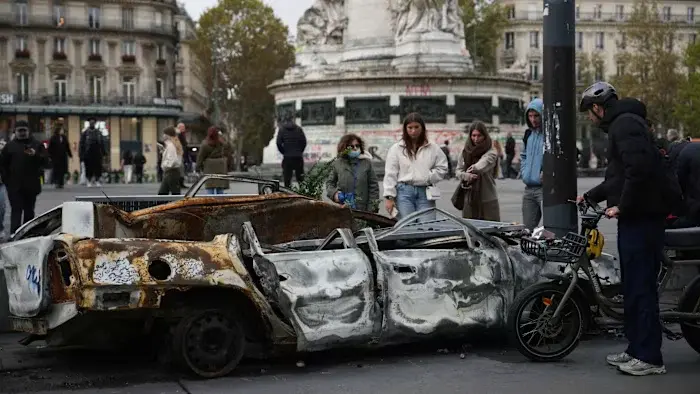
EU regulators are investigating whether foreign state actors, primarily Russia, Iran, and Algeria, used social media algorithms to amplify recent riots in France and other European nations. While officials acknowledge that domestic grievances sparked the unrest, they are scrutinizing platforms like X and TikTok for failing to curb the viral spread of violent, often misleading content. The investigation focuses on whether foreign influence networks actively incited violence or merely exploited existing instability.
Key points
- The European Commission is examining cooperation with social media platforms to prevent the algorithmic amplification of violent content and hate speech linked to recent riots in France, Belgium, and Italy.
- Security officials suspect pro-Russian networks, including 'Storm-1516' and 'Matryoshka,' and actors linked to Iran and Algeria have spread false narratives and violent footage to exacerbate chaos.
- Regulators are pressing marketplaces like Amazon and Vinted to block the sale of looted goods, while intelligence agencies investigate whether foreign agents directly provoked street violence.
- Experts note that while foreign influence amplified the situation, the core unrest stems from domestic political radicalism and genuine public grievances over cost-of-living and institutional trust.
- The EU is preparing to intervene if the situation becomes 'systemic' and platforms fail to cooperate, following meetings with French authorities and digital enforcement bodies.
Background
This investigation follows a series of Kremlin-backed disinformation operations targeting Western democracies, including the 'Matryoshka' campaign using AI-cloned celebrity videos against US midterms and recent EU sanctions against former RT France chief Xenia Fedorova. The current unrest in France also intersects with broader economic and political instability, where riots have reshaped the 2027 presidential race and highlighted vulnerabilities in the European fiscal landscape.
How outlets are covering it
The Financial Times emphasizes the regulatory and intelligence perspective, highlighting the EU's focus on platform accountability and the distinction between foreign amplification and domestic origins of the unrest. It notes that while Russian and Iranian actors are suspected, evidence of direct physical provocation remains limited. In contrast, CNN focuses on the macroeconomic implications, framing the French riots as a symptom of a broader fiscal crisis in Western economies, particularly comparing France's debt burden to the United States. While the FT details the specific mechanisms of disinformation, CNN contextualizes the unrest within a larger narrative of unsustainable public debt and political gridlock, suggesting that economic stress is the primary driver of instability rather than foreign interference alone.
Why it matters
The probe signals a shift in EU policy toward holding tech platforms accountable for algorithmic amplification of real-world violence. It highlights the growing complexity of hybrid threats, where foreign state actors exploit domestic grievances to destabilize democracies. The outcome will likely influence future digital enforcement regulations across the EU and set precedents for how platforms manage content related to civil unrest.
What to watch
The European Commission will monitor the situation closely, potentially stepping in if platforms fail to cooperate or if the risk becomes systemic. Regulators will continue to pressure X, TikTok, and marketplaces to remove violent content and block the sale of looted goods. Intelligence agencies will finalize their assessments of foreign involvement, while national authorities in France, Belgium, and Italy will continue to manage the immediate security and political fallout.
- EU probes pro-Kremlin disinformation around French riots Financial Times
- What’s Behind the Protests in France and What Happens Next WSJ
- France’s crisis sounds familiar. Is America next? CNN
- France to deploy troops, admits to failures over weekend unrest Reuters
- France announces nightly curfews 'for as long as necessary' in Paris and other cities NPR
Want the full story? Read the original reporting
Read on Financial Times