
US Treasury Threatens 'Economic D-Day' Against Iran's Oil Buyers, Targeting China
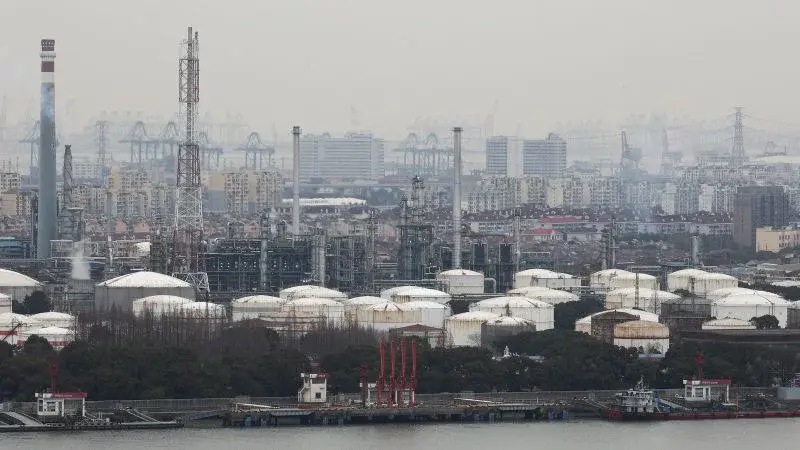
US Treasury Secretary Scott Bessent warned that nations buying Iranian oil face severe secondary sanctions, with China identified as the primary target. While Beijing has already reduced imports due to a US naval blockade, the new threats risk escalating trade tensions ahead of high-level diplomatic talks.
Key points
- Treasury Secretary Scott Bessent declared an 'economic D-Day' against countries purchasing Iranian oil, threatening to cut them off from the dollar-based financial system.
- China accounts for roughly 90% of Iran's oil exports, though imports have dropped from 1.4 million barrels per day to approximately 534,000 barrels per day in August due to a US blockade.
- The US has sanctioned specific entities like the Hengli Petrochemical refinery but has avoided broad measures against major Chinese banks to prevent retaliation before a planned meeting between President Trump and President Xi Jinping.
- Chinese officials rejected the sanctions as counterproductive, while Iranian officials vowed to retaliate against countries cooperating with Washington's pressure tactics.
- US gas prices have risen to an average of $4.10 per gallon, up from $3.15 a year ago, reflecting the broader impact of the ongoing conflict and supply disruptions.
Background
This development follows a series of escalating tensions in August 2026, including Iran's attempt to block the Strait of Hormuz and reports of cyberattacks on US and UK critical infrastructure. It also builds on earlier announcements by President Trump regarding a sweeping economic campaign to isolate Iran.
How outlets are covering it
CNN emphasizes the direct threat to China and the potential for rising US consumer energy costs, noting that Bessent's announcement was a 'warning shot' rather than immediate broad sanctions. The Guardian highlights the nuance in US strategy, pointing out that Washington is wary of Chinese retaliation regarding critical minerals and is avoiding direct sanctions on major Chinese banks to preserve diplomatic channels. Both outlets agree that the US blockade has already significantly reduced Iranian oil flows to China, but they differ on the immediate effectiveness of the new financial threats versus the physical blockade.
Why it matters
The move could trigger a new round of tit-for-tat sanctions between the US and China, potentially disrupting global energy supplies and critical mineral exports. It also signals a shift from military confrontation to financial warfare in the US-Iran conflict, with direct implications for global oil prices and international trade stability.
What to watch
Watch for the outcome of the expected meeting between President Trump and President Xi Jinping next month, which will likely determine whether the US escalates sanctions against Chinese financial institutions. Monitor oil prices and shipping data through the Strait of Hormuz for signs of further disruption or compliance with US demands.
- The US says it’ll crack down on countries doing business with Iran. Who’s buying Iranian oil? CNN
- U.S. Squeezes Iran But Avoids Targeting Its Biggest Lifeline: China WSJ
- China is the biggest buyer of Iran’s oil. Could US sanctions threaten those ties? The Guardian
- Why China Thinks It Can Resist Trump’s Economic Threats on Iran The New York Times
- Iran Oil Cargoes Dry Up Even Before US Acts on Tehran Threats Bloomberg
Want the full story? Read the original reporting
Read on CNN