
Iceland Treats AMOC Collapse as National Security Threat in First-Ever Crisis Drill
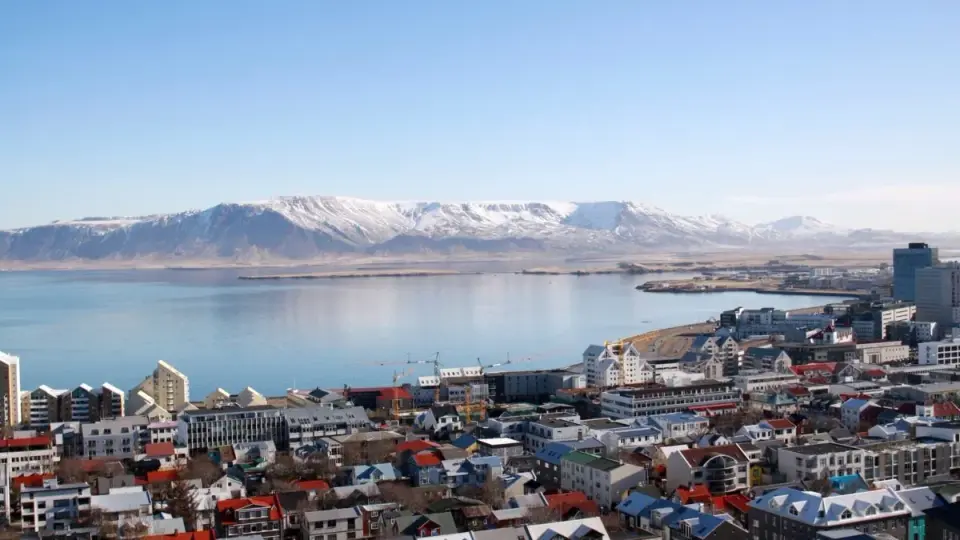
Iceland held its first national security exercise focused on the potential collapse of the Atlantic Meridional Overturning Circulation (AMOC). While climate models suggest a 50% weakening by 2100, only two of 91 UN climate plans address this risk. Officials warn that a collapse could trigger severe cold in Europe and disrupt monsoons in Africa and Asia, yet global data collection is being cut.
Key points
- Iceland’s Ministry of the Environment, Energy, and Climate hosted a scenario exercise on October 15 to prepare for AMOC collapse, marking the first time a specific climate phenomenon was treated as an existential national security threat.
- The AMOC, which circulates warm water northward and cold water southward, is weakening due to rising global temperatures. A collapse could lower winter temperatures in Scandinavia to -50 degrees Celsius and weaken monsoons in West Africa and India.
- According to University of Oxford researchers Jim Hall and Brenden Jongman, only two of 91 national adaptation plans submitted to the UN mention AMOC. Brazil warns of Amazon collapse, while Ireland notes adaptation may be insufficient.
- Recent studies indicate AMOC could begin collapsing as early as 2063, with a 50% weakening projected by 2100 under intermediate emissions scenarios. The speed of warming, not just final temperature, is a key driver of instability.
- Coda Story reports that the current U.S. administration is removing Atlantic monitoring buoys and cutting climate research funding, despite AMOC research receiving only €25 million annually, hindering the ability to predict and prepare for changes.
Background
Previous coverage in October 2026 highlighted a 'cold blob' in the North Atlantic as a signal of shifting currents, prompting European governments to view AMOC as a security risk. Earlier reports in September noted that the rate of global heating, rather than absolute temperature levels, is the primary factor determining whether the current collapses, potentially triggering a 'snowball Earth' scenario.
How outlets are covering it
Gizmodo and The Conversation emphasize the lack of global preparedness, noting that most nations ignore AMOC risks in their climate plans. BBC highlights the uncertainty in climate models and the limited two-decade history of direct ocean measurements. Coda Story focuses on the political and funding barriers, criticizing the removal of monitoring infrastructure and the disconnect between scientific warnings and policy action. All sources agree on the severe potential impacts, including extreme cold in Europe and drought in the tropics, but differ on the immediacy of the threat, with some citing a 2063 collapse timeline and others focusing on gradual weakening by 2100.
Why it matters
The AMOC is a critical regulator of global climate, influencing temperatures and rainfall patterns worldwide. Its potential collapse represents a high-impact tipping point that could destabilize food systems, infrastructure, and economies in both the Global North and South. The lack of concrete adaptation plans and the reduction of ocean monitoring data hinder the ability of nations to prepare for a scenario that could fundamentally alter global weather patterns within the next few decades.
What to watch
Policymakers are urged to stress-test long-term investments against AMOC-collapse scenarios and favor flexible infrastructure solutions. Continued funding for ocean monitoring is essential to track changes in circulation. Governments must integrate AMOC risks into adaptation strategies, recognizing that some regions may face colder winters while others experience reduced rainfall, requiring diverse and robust responses to uncertain climate futures.
- Iceland Runs Crisis Exercise for AMOC Ocean Current Collapse Gizmodo
- The Climate Question | AMOC: How the changing Atlantic could reshape our world BBC
- Weather threat rocks the world News.com.au
- Heat in the ocean, heads in the sand Coda Story
- Key Atlantic currents could collapse this century, but the risk is missing from almost all national climate plans – new study The Conversation
Want the full story? Read the original reporting
Read on Gizmodo