
Pre-Disaster Reports Warned of Accelerating Himalan Glacial Collapse
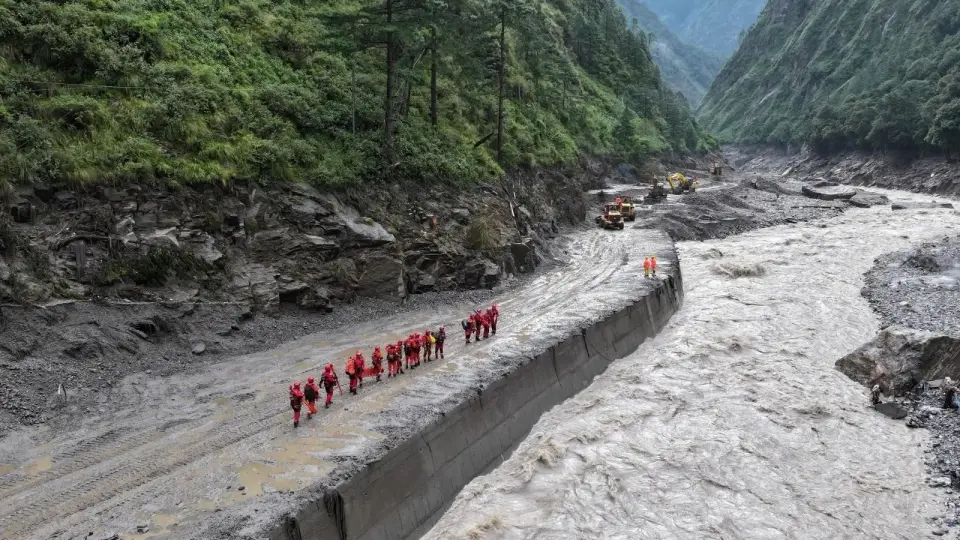
Five months before the deadly Nepal flash floods, ICIMOD reports warned that glacial ice loss in the Hindu Kush Himalaya had doubled since 2000, with some areas nearing irreversible retreat. While the August 2026 disaster killed over 600 people, experts now debate whether the cause was purely climatic or exacerbated by human encroachment and regulatory failures. India has since accelerated its glacial lake monitoring programs, while international experts urge cross-border data sharing to prevent future outburst floods.
Key points
- ICIMOD reports from March 2026 indicated that glacial ice thickness in the Hindu Kush Himalaya (HKH) had decreased by up to 27 meters since 1975, with loss rates doubling since 2000.
- The August 2026 Nepal floods, which killed over 600 people, are being investigated for potential triggers including high-altitude rainfall instead of snowfall and ice-rock avalanches.
- India has identified approximately 200 high-risk glacial lakes in its Himalayan regions, with 195 marked for mitigation under a national program funded with Rs 150 crore.
- Experts argue that while climate change drives glacial melt, human factors such as construction on unstable slopes and poor enforcement of zoning laws significantly increase disaster vulnerability.
- International projections suggest the risk of glacial lake collapses in the HKH region could triple by 2100, necessitating enhanced cross-border monitoring and early warning systems.
Background
The current disaster follows a pattern of increasing glacial lake outburst floods (GLOFs) in the region, including the 2023 South Lhonak Lake event in Sikkim and the 2024 Ngollekhok Tsho flood in Nepal. Previous archive coverage highlighted the immediate aftermath of the August 2026 floods, where rescue efforts were hampered by newly formed barrier lakes and ongoing rainfall, leading to a death toll exceeding 600 and thousands missing across the Nepal-China border.
How outlets are covering it
NDTV emphasizes the predictive value of ICIMOD’s March 2026 reports, highlighting that glacial wastage had doubled since 2000 and that some areas were nearing 'critical tipping points.' In contrast, Rediff and other researchers caution against attributing the disaster solely to climate change, pointing to human encroachment and the failure to enforce flood plain zoning laws as critical vulnerability factors. The Times of India focuses on India’s domestic response, noting the acceleration of its National GLOF Risk Mitigation Programme following the Nepal tragedy. Chosun Ilbo provides a broader regional perspective, warning that the number of high-risk glacial lakes could triple by 2100 and stressing the need for international satellite monitoring and data sharing between bordering nations.
Why it matters
The Nepal disaster underscores the fragility of the 'Water Towers of Asia,' which support the livelihoods of nearly two billion people. The findings suggest that without immediate improvements in monitoring, early warning systems, and strict enforcement of land-use regulations, the frequency and severity of glacial outburst floods will likely increase, threatening regional water, food, and energy security.
What to watch
India is expected to scale up its glacial lake monitoring and mitigation efforts, potentially increasing funding and coordination between central and state agencies. International bodies like ICIMOD and UNDP are likely to push for more comprehensive cross-border data sharing and real-time alert systems. Scientists will continue investigating the specific triggers of the August 2026 floods, while governments in the HKH region may revisit construction regulations in high-risk zones to reduce future vulnerability.
- 5 Months Before Nepal Disaster, Two Reports Indicated What Lay Ahead NDTV
- Flash floods put focus on India's glacial lakes The Times of India
- Himalayan disasters: Climate change is not the only factor Rediff
- 200 Time Bombs in Himalayas: Experts Warn of More Nepal-Style Disasters 조선일보
- Nepal flood highlights growing risk of glacier disasters in the Alps Euronews.com
Want the full story? Read the original reporting
Read on NDTV