
COP31 Draft Sets Ambitious Carbon Capture Targets Amidst Record Lobbyist Presence
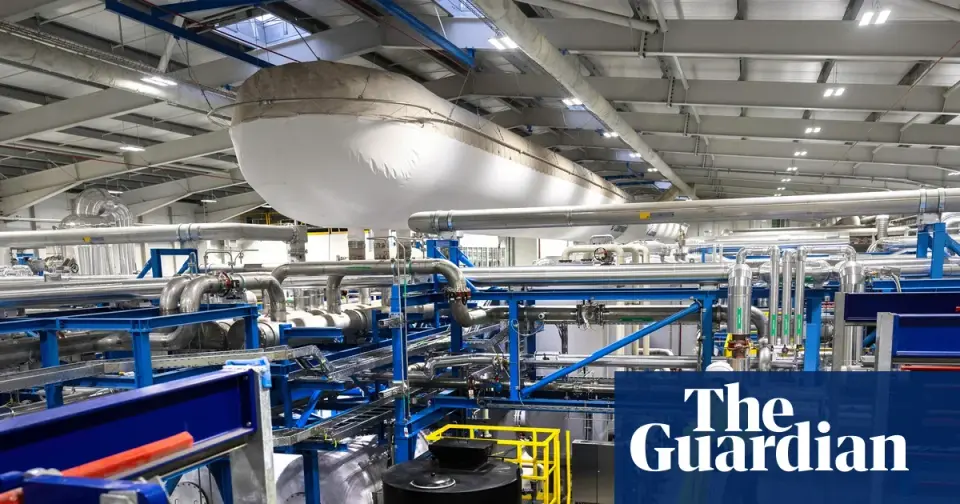
The first draft of the COP31 agreement in Antalya, Turkey, includes ambitious targets for carbon capture and storage (CCUS) and carbon dioxide removal (CDR), aiming for 500 million tonnes of CO2 captured by 2035. This move follows a UN acknowledgment that the world will likely overshoot 1.5C warming. While proponents argue these technologies are essential to reverse temperature rises, critics warn that the record 700 CCUS lobbyists at the summit risk delaying fossil fuel phaseouts and diverting funds from renewable energy.
Key points
- The COP31 draft text explicitly welcomes efforts to accelerate CCUS and CDR, setting a 2035 target of at least 500 million tonnes of CO2 captured, with a higher ambition of 1.3 to 2.5 gigatonnes annually.
- The Center for International Environmental Law (CIEL) reports a record 700 CCUS lobbyists at the summit, outnumbering the combined delegates of the smallest 50 national delegations and the G7.
- Proponents, including representatives from Brazil, Denmark, and the EU, argue CDR is the only viable method to return the planet to safe temperature levels after an inevitable overshoot of 1.5C.
- Critics, including CIEL and Indigenous advocates, label CCS a 'greenwashing exercise' that prolongs fossil fuel reliance, noting that 88% of historically planned CCS capacity has failed to materialize.
- The draft text emphasizes that removals must complement, not replace, emissions reductions, and requires environmental safeguards and respect for Indigenous communities.
Background
This debate occurs against a backdrop of record greenhouse gas levels in 2025 and a temporary 0.4% dip in 2026 fossil fuel emissions driven by the Iran war. Previous Oxfam reports highlighted extreme inequality in carbon emissions, while WMO data confirmed that CO2 concentrations are at 153% of pre-industrial levels, locking in long-term warming.
How outlets are covering it
The Guardian and Carbon Herald highlight the technical ambition of the draft, noting that CDR is currently nascent, with only 2 million tonnes removed via technology annually. New Scientist emphasizes the scientific uncertainty, citing marine biologist James Kerry’s concerns about ecological harms and the lack of robust evidence for large-scale ocean fertilization. In contrast, CIEL and Indigenous observers like Aakaluk Blatchford focus on the political influence of fossil fuel companies, arguing that the massive lobbyist presence is designed to normalize continued emissions rather than solve the climate crisis. While some nations support the technologies, others, including Kenya and Mexico, object to relying on them as a substitute for immediate mitigation.
Why it matters
The inclusion of carbon capture in the final COP31 agreement could legitimize technologies that critics argue delay the urgent transition to renewable energy. If the draft targets are adopted, they may influence global investment and policy for decades, potentially locking in fossil fuel infrastructure and diverting public funds from proven climate solutions. The outcome will determine whether the international community prioritizes immediate emissions cuts or speculative technological fixes for a warming planet.
What to watch
Negotiations at COP31 will continue to determine whether the ambitious CCUS and CDR targets survive into the final agreement. The next rounds of talks will focus on resolving disagreements between nations supporting technological solutions and those demanding immediate fossil fuel phaseouts. The final text will also address the balance between public subsidies for carbon capture and investments in renewable energy infrastructure.
- Controversial efforts to suck carbon from atmosphere championed at UN climate talks | Cop31 The Guardian
- Plans to rely on carbon removal tech spark debate at COP31 New Scientist
- COP31: First Draft Sets Ambitious 2035 Carbon Capture Targets As Carbon Removal Also Gains Ground Carbon Herald
- Record 700 Carbon Capture Lobbyists Secured Access to COP31 Climate Talks Center for International Environmental Law | CIEL
- Dispatches from the COP31 Global Climate Talks in Turkey EXPOSEDbyCMD
Want the full story? Read the original reporting
Read on The Guardian