
Developing nations face planning void as rich countries delay climate finance targets
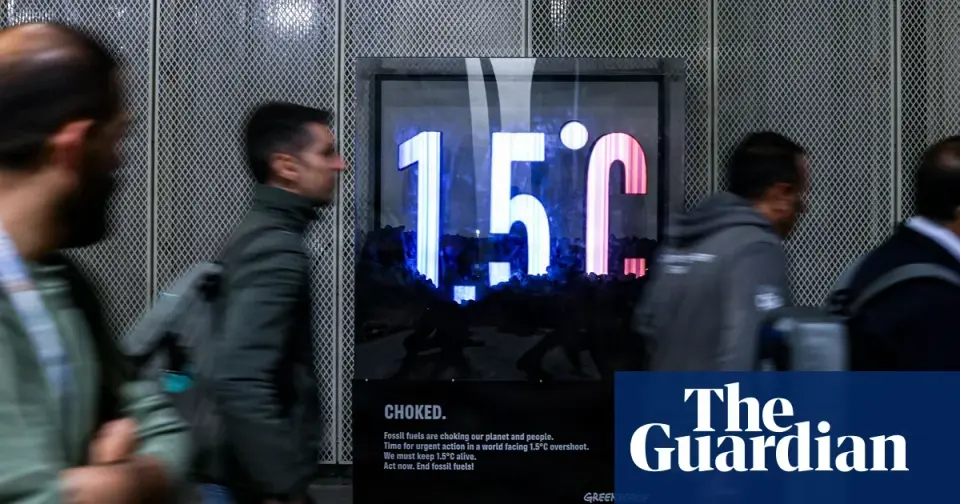
Developing countries are struggling to plan for climate adaptation because major industrialized nations have failed to publish new funding targets beyond 2025 or 2026. Although analysis suggests the world is on track to meet the $300 billion annual goal by 2035, the lack of transparency is hindering private investment. UN Secretary-General António Guterres warned at COP31 that current commitments are insufficient, urging developed nations to deliver concrete milestones and triple adaptation finance. While some nations like Japan and France have provided partial updates, others, including Australia and Germany, remain silent, creating uncertainty for vulnerable economies.
Key points
- The National Resources Defence Council and E3G estimate that developed nations will provide approximately $229 billion annually by 2030, with multilateral development banks contributing around $185 billion of that total.
- A gap of roughly $7 billion remains if the EU maintains its current $36 billion annual provision, a shortfall that could be filled by the US, Japan, or Australia if they announce new targets.
- UN Secretary-General António Guterres stated that global emissions must decline by 6% annually to limit warming, warning that current national commitments are inadequate to prevent dangerous temperature increases.
- Guterres criticized fossil fuel companies, noting that the nine largest oil firms earned $95 billion in profits last quarter, while the Loss and Damage Fund received only $600 million.
- Australian Prime Minister Anthony Albanese highlighted that Australia has doubled renewable electricity generation in six years, with renewables now comprising half of its electricity mix, and installed over 600,000 home batteries in the past year.
- Ethiopian Prime Minister Abiy Ahmed emphasized that climate action is economic policy, noting that over 90% of Ethiopia’s electricity comes from hydropower, necessitating diversification into wind, solar, and geothermal sources.
Background
This situation follows the 2025 breach of the 1.5-degree Celsius warming threshold and ongoing tensions at pre-COP31 meetings in Fiji, where Pacific leaders highlighted the widening gap between adaptation needs and available funding. The EU recently introduced a Climate Resilience Law mandating adaptation plans for a 3-degree warmer world, though it lacks dedicated funding. Additionally, the World Bank has been promoting 'small AI' models for developing nations to address infrastructure gaps, while the EU delayed methane regulations due to US lobbying and energy security concerns.
How outlets are covering it
The Guardian and NRDC analysis suggest that while the overall financial trajectory toward the $300 billion goal is on track, the lack of public communication from major donors is causing significant uncertainty for recipient countries. In contrast, Punch Newspapers highlights the urgency of Guterres’s warnings, emphasizing that current commitments are insufficient to prevent dangerous temperature increases and that fossil fuel profits are disproportionately high compared to climate finance. The Guardian notes that some countries, like Japan, are committed to existing obligations but have not announced new pledges, while Punch focuses on the broader call for a 'climate justice compact' to ensure developing countries receive the resources needed for industrial and infrastructure development. Both sources agree that transparency and concrete milestones are essential for building trust and attracting private investment.
Why it matters
The delay in publishing climate finance targets undermines the ability of developing countries to plan for extreme weather and transition to low-carbon economies. Without clear commitments, these nations struggle to attract private sector investment, exacerbating the financial gap. Guterres’s warnings highlight the risk of a permanent overshoot of the 1.5-degree Celsius limit, which could have devastating consequences for vulnerable communities. The disparity between fossil fuel profits and climate finance underscores the need for structural changes in global economic priorities to address climate justice and ensure that developing nations can effectively implement their climate commitments.
What to watch
Developed nations are expected to announce new climate finance targets in the coming months, with the US, Japan, and Australia potentially filling the $7 billion gap. The World Bank and other multilateral development banks are likely to continue providing tens of billions of dollars in climate-related finance, despite the retirement of official targets. Guterres is expected to push for a new climate justice compact, including taxes on windfall profits from fossil fuel companies, to support vulnerable countries. Australia and Ethiopia will continue to advocate for increased investment in clean energy and climate adaptation, particularly for Pacific island nations and other vulnerable communities. The next COP32 in 2027 will likely focus on measuring the progress of these commitments and ensuring that they translate into concrete action.
Want the full story? Read the original reporting
Read on The Guardian