
Swiss glaciers shed record 5.5% of ice in 2026, accelerating Alpine melt
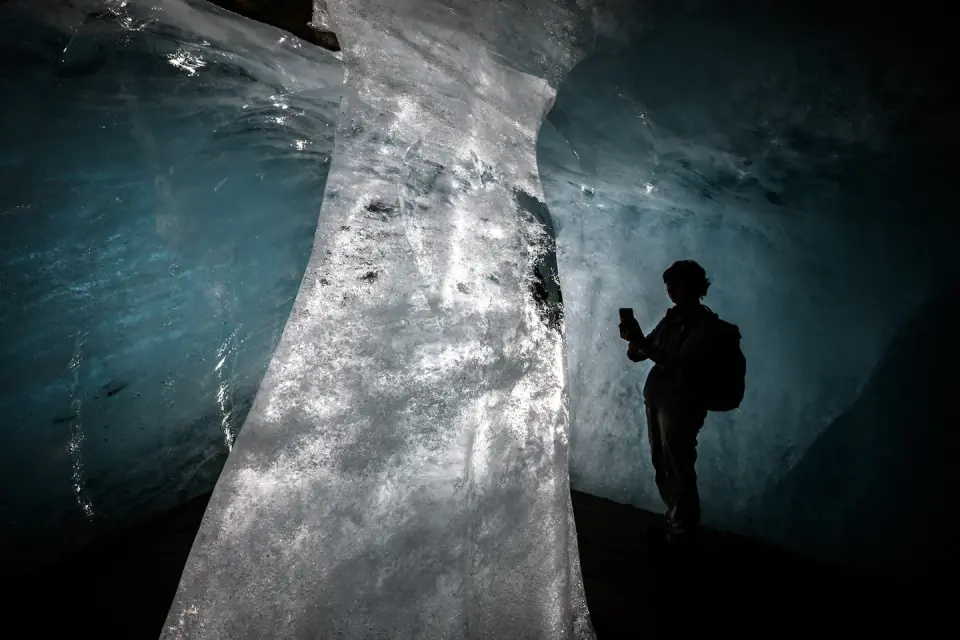
Switzerland lost 20% of its glacial ice since 2021, with 2026 marking a record-breaking year of melt. Scientists warn that rapid ice loss threatens water supplies and hydropower, while some small glaciers have already disappeared.
Key points
- Switzerland lost approximately 20% of its glacial ice since 2021, with 2026 exceeding the previous record set in 2022.
- The 2026 melt rate reached 5.5% of remaining ice, a figure scientists describe as 'disastrous' and far beyond the 2% threshold previously considered extreme.
- Dry winters and intense summer heatwaves exposed bare ice, which absorbs more solar energy and accelerates melting.
- The loss of ice threatens long-term water supplies for hydropower, agriculture, and shipping, as meltwater is described as 'unsustainable' old water.
- Some small glaciers, such as Plattalva, have already disappeared, and no snow remained at elevations above 3,500 meters by the end of summer.
Background
Recent global glacier monitoring has highlighted accelerating ice loss in various regions. For instance, satellite imagery in August 2026 showed the Petermann Glacier in Greenland shedding a massive 76-square-kilometer section of ice, the largest Arctic calving event in a decade. Additionally, studies in Utah revealed hidden ice reserves beneath rock glaciers, underscoring the global significance of glacial water storage. These events highlight the broader trend of rapid glacial retreat driven by climate change.
How outlets are covering it
The Washington Post and BBC both report on the severe ice loss in Switzerland, but they emphasize different aspects. The Washington Post focuses on the cumulative loss since 2021 and the unprecedented nature of the 2026 melt. The BBC, however, highlights the immediate consequences for water supplies, hydropower, and the risk of landslides and flash flooding. Both outlets cite GLAMOS data, but the BBC provides more detail on the mechanisms of melting, such as the exposure of bare ice due to dry winters and the impact on the Rhine River's shipping routes. The Yahoo article, which is largely a technical error page, does not provide substantive information on the story.
Why it matters
The rapid loss of glacial ice in Switzerland has significant implications for water security, energy production, and environmental stability. As glaciers disappear, the long-term availability of meltwater for hydropower and agriculture is threatened. Additionally, the destabilization of mountain slopes increases the risk of landslides and flash flooding, posing dangers to communities and infrastructure. This trend in the Alps serves as a warning for other regions, highlighting the urgent need for climate action to prevent further irreversible loss of glacial ice.
What to watch
Scientists expect continued rapid melting of Swiss glaciers, with some small glaciers likely to disappear entirely. The loss of ice will further strain water supplies, potentially leading to increased costs for shipping and agriculture. Efforts to reduce carbon emissions are crucial to slowing the pace of melting, particularly in regions with larger ice masses, such as the Himalayas and polar regions. Monitoring and research will continue to track the impact of climate change on glacial systems and their broader environmental and economic consequences.
- Switzerland’s glaciers are losing an astonishing amount of ice. See the meltdown. The Washington Post
- Swiss glaciers suffer 'disastrous' year of ice loss, threatening water supplies BBC
- Swiss glaciers lose more than 5% of ice after record heatwave reuters.com
- 'Catastrophic': Swiss glaciers lose fifth of mass in five years Yahoo
- Swiss glaciers suffer another year of record ice loss npr.org
Want the full story? Read the original reporting
Read on The Washington Post