
Oleshky Residents Face Starvation as Russia Blocks Aid and Evacuation
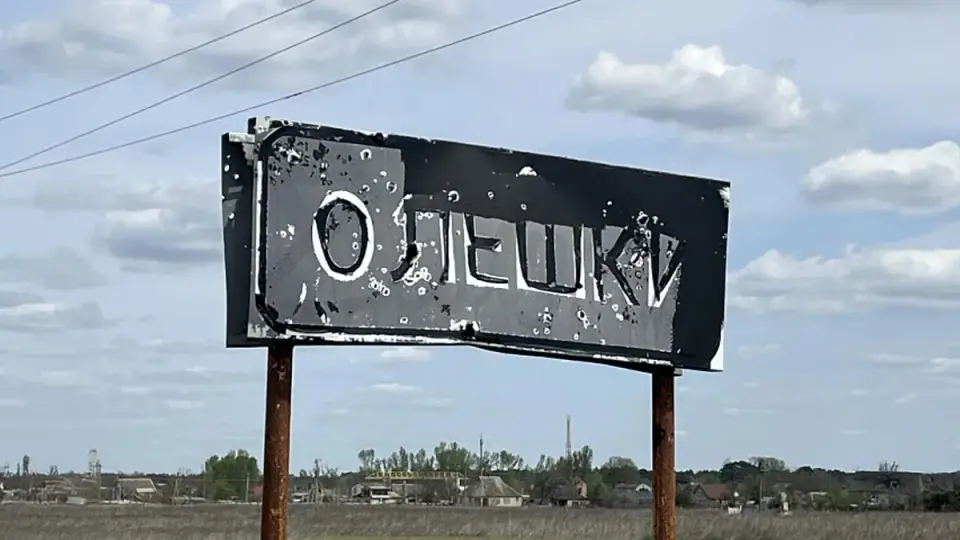
Russian-occupied Oleshky faces a severe humanitarian collapse, with approximately 2,000 to 6,000 residents trapped without food, medicine, or electricity since May 2026. Ukrainian forces conducted a major drone airdrop of four tonnes of supplies, but Russian troops are intercepting aid, looting local gardens, and blocking evacuation routes. International bodies describe the situation as a deliberate catastrophe, with unburied corpses accumulating in hospital basements and residents surviving on weeds.
Key points
- Ukraine's 34th Separate Marine Brigade delivered four tonnes of food via drone to 100 locations in Oleshky, the largest such operation of the war, though Russian forces reportedly intercepted much of the aid.
- No regular food supplies have reached the city since May 2026; residents now survive on garden weeds, foraged plants, and, in some cases, dogs, according to Ukrainian officials and residents.
- The population estimate varies: Ukrainian military administration cites around 2,000 people (including 50 children), while the All-Ukrainian Council of Churches estimates over 6,000 (including 200 children) in the city and surrounding area.
- Russian forces are blocking civilian evacuations, shooting down aid-carrying drones, and detaining residents found with humanitarian parcels, according to Kherson regional military administration head Oleksandr Prokudin.
- The city’s hospital is failing due to lack of electricity and medicine, with over 100 unburied corpses stored in a basement, as Russian forces prevent local burials to control forensic narratives.
- Foreign Minister Andrii Sybiha accused Russia of deliberately provoking a humanitarian catastrophe at the UN General Assembly, while Kremlin spokesman Dmitry Peskov blamed Kyiv for blocking deliveries.
Background
Oleshky, a historic Cossack town in Kherson region, has been under Russian occupation since February 2022. Conditions deteriorated sharply after the June 2023 destruction of the Kakhovka hydroelectric dam, which flooded the area and destroyed infrastructure. Previous archive coverage from late September 2026 highlighted the escalation of the crisis, including reports of residents eating dogs and the failure of earlier evacuation attempts due to minefields and drone attacks.
How outlets are covering it
Ukrainian officials and international human rights bodies, including the Council of Europe’s Commissioner for Human Rights, describe the situation as a 'humanitarian catastrophe' and 'hell on earth,' accusing Russia of using civilians as human shields and deliberately blocking aid. The Kremlin, via spokesman Dmitry Peskov, acknowledges the 'critical' situation but blames Ukrainian forces for obstructing humanitarian corridors and deliveries. The Guardian highlights the stark contrast in population estimates, noting the discrepancy between Ukrainian military figures and church estimates, while Ukrainska Pravda emphasizes the total blockade and the impossibility of safe evacuation due to dense minefields and constant drone activity.
Why it matters
The crisis in Oleshky exemplifies the weaponization of civilian deprivation in modern warfare, raising urgent questions about international humanitarian law and the effectiveness of aid mechanisms in occupied territories. The failure of evacuation talks and the interception of aid highlight the risks of prolonged occupation and the potential for mass starvation, drawing global attention to the plight of civilians in conflict zones.
What to watch
Ukraine and the International Committee of the Red Cross are preparing a humanitarian evacuation plan, but Russia has not confirmed its readiness to allow the mission. Without agreed access, volunteers cannot enter the city. International organizations are calling for immediate humanitarian access, while the situation on the ground is expected to worsen as winter approaches and food supplies remain depleted.
- Ukraine's city of Oleshky faces starvation as Russia blocks all aid Euronews.com
- Ukraine uses drones to deliver food to Russian-occupied Oleshky Reuters
- ‘Hell on earth’: last residents eat weeds to survive in Russian-occupied Oleshky theguardian.com
- 'The blockade is complete': Locals flee occupied south Ukraine as hunger deepens ABC News - Breaking News, Latest News and Videos
- Oleshky under siege: a city where people eat grass, hide bodies in a hospital basement and wait for an evacua Українська правда
Want the full story? Read the original reporting
Read on Euronews.com