
Hamas Rafah Commander Samir Abu Younis Killed in Gaza Strike
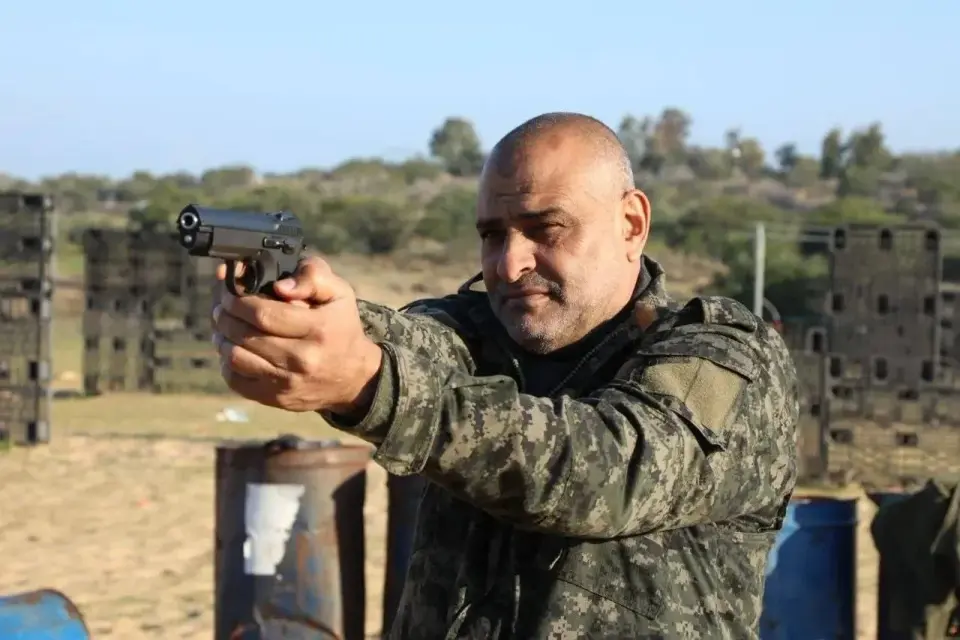
Israeli forces killed Samir Abu Younis, the commander of Hamas’s Rafah Brigade, in an overnight airstrike in Khan Younis, southern Gaza. Abu Younis, who joined Hamas’s military wing in 1991, was identified by the group as a key planner of the October 7, 2023, attack. The strike occurred in the al-Mawasi area, a zone housing displaced people, and followed the elimination of his predecessor two months earlier. While Israel and Hamas confirmed his death, they differ on the nature of the operation and its civilian impact.
Key points
- Samir Abu Younis, also known as Abu Mahmoud, was killed in an Israeli strike shortly after midnight on November 15, 2026, in the Mawasi area of Khan Younis.
- Hamas described Abu Younis as a veteran commander who joined the Al-Qassam Brigades in 1991 and was a central figure in planning the October 7, 2023, assault on Israel.
- The Israeli Defense Forces (IDF) and Shin Bet confirmed the kill, stating Abu Younis directed attacks against Israeli troops and civilians and worked to rebuild the brigade’s strength.
- Abu Younis had assumed command of the Rafah Brigade on September 15, 2026, following the killing of his predecessor, Nael Abu Obeid, by Israel.
- The strike occurred in al-Mawasi, a coastal area designated as a humanitarian zone but crowded with displaced people living in tents, raising concerns about civilian casualties.
- This is the third Rafah Brigade commander killed by Israel since the war began, following Muhammad Shabana in May 2025 and Nael Abu Obeid in September 2026.
Background
The killing of Samir Abu Younis is part of a broader pattern of Israeli targeted strikes against Hamas commanders in Gaza since the October 2025 ceasefire. According to our archive, the IDF has continued operations against Hamas operatives, including a strike on Nasser Hospital on November 12, 2026, which killed six people. The IDF has stated that many recent strikes focus on Hamas operatives involved in rebuilding the group’s force and civil control mechanisms. The implementation of US President Donald Trump’s peace plan for Gaza has stalled, with Hamas refusing to disarm and Israel refusing to withdraw from any part of Gaza until that condition is met. The October 7, 2023, attack, which Abu Younis is accused of planning, resulted in approximately 1,200 deaths and 251 hostages, triggering the current conflict.
How outlets are covering it
The Times of Israel and the BBC report that the strike was a precision operation targeting Abu Younis as he walked down a street, with the IDF stating it took steps to minimize civilian harm. Hamas, however, described the killing as a 'cowardly assassination' and emphasized Abu Younis’s role in planning the October 7 attack. Al Jazeera highlights the strike’s location in al-Mawasi, a humanitarian zone, and notes that the attack hit a tent sheltering displaced people, causing a fire and injuring others. The BBC reports that eyewitnesses said four missiles struck a tent in the Al-Waha camp, while Al Jazeera states the strike wounded two others. The Times of Israel notes that the IDF controls all of Rafah but Hamas still appoints commanders for the regional brigade, operating from Khan Younis. All sources agree on the confirmation of Abu Younis’s death by both Hamas and Israeli authorities, but they differ on the details of the strike and its impact on civilians.
Why it matters
The killing of Samir Abu Younis underscores the ongoing Israeli campaign to decapitate Hamas’s military leadership in Gaza, even after the October 2025 ceasefire. As the third Rafah Brigade commander killed since the war began, it highlights the fragility of the ceasefire and the continued risk of civilian casualties in humanitarian zones. The strike also signals that Israel views Hamas’s rebuilding efforts as a direct threat, potentially complicating peace negotiations and aid delivery. For Hamas, the loss of a key planner of the October 7 attack is a significant blow to its military structure and morale. The incident also raises questions about the effectiveness of the ceasefire and the humanitarian impact of continued strikes in areas designated for displaced people.
What to watch
Hamas is expected to hold a funeral for Abu Younis in Khan Younis on November 15, 2026, as reported by the BBC. The group may appoint a new commander for the Rafah Brigade, though the frequency of such appointments suggests a pattern of rapid succession. Israel is likely to continue targeted strikes against Hamas operatives, particularly those involved in rebuilding the group’s force and civil control mechanisms. The stalled peace plan and the refusal of both sides to meet key conditions (Hamas disarming, Israel withdrawing) suggest that the conflict may remain unresolved. The humanitarian situation in Gaza, already strained by heavy rains and flooding, may worsen as displaced people face further displacement and lack of aid. The UN and other international actors may increase pressure on both sides to respect the ceasefire and protect civilians.
- Chief of Hamas’s Rafah Brigade killed in Israeli strike, 2 months after predecessor The Times of Israel
- Israel kills Hamas commander in strike on Gaza camp, officials say BBC
- Senior Hamas commander killed in Israeli strike in Gaza Reuters
- Saudi Arabia Intercepts Two Ballistic Missiles Launched By Yemen's Houthis | LIVE BLOG i24NEWS
- Israeli air strike kills senior Hamas commander in Gaza Al Jazeera
Want the full story? Read the original reporting
Read on The Times of Israel