
Kyiv Bridges Severed as Russia Escalates Infrastructure Strikes
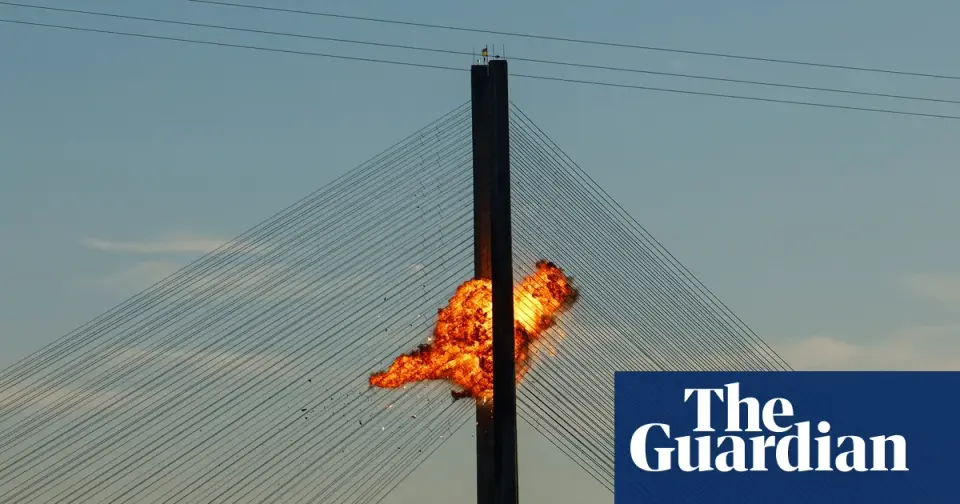
Russian forces struck two major bridges in Kyiv within 24 hours, severing critical links across the Dnipro River and causing severe traffic disruptions. The attacks, which damaged road surfaces and trolleybus cables, have effectively split the capital in two. Mayor Vitali Klitschko described the situation as 'very dramatic,' noting that three of the city’s six bridges are now closed or partially suspended. While no casualties were reported from the bridge strikes themselves, broader attacks on Kharkiv and residential areas resulted in fatalities. The escalation follows a September order by Vladimir Putin to remove constraints on air campaigns, aiming to disrupt civilian life and logistics.
Key points
- The Northern Bridge was hit on Saturday, following a strike on the Southern Bridge the previous day.
- Traffic across the Dnipro River is suspended, affecting approximately 500,000 daily commuters.
- Russian officials claim the bridges are used for military logistics, while Ukraine cites civilian disruption.
- The strikes coincide with a broader escalation in attacks on energy and communication infrastructure.
Background
This escalation follows a series of intensified Russian strikes on Kyiv’s critical infrastructure in late September, including attacks on data centers and high-rise residential buildings. Previous coverage noted that Ukraine was preparing for potential total internet blackouts and that the Kremlin had authorized its military to target any assets it deemed appropriate. The current bridge attacks represent a significant shift in targeting major civilian transit hubs, exacerbating the hardship residents were already bracing for ahead of winter.
How outlets are covering it
The Guardian and CNN emphasize the severe impact on civilian life, noting that the strikes are effectively cutting Kyiv in two and causing massive traffic jams. BBC highlights the strategic dimension, reporting that Russian drones are unlikely to destroy the bridges entirely but aim to force their closure and weaken their structure. While all sources agree on the physical damage, they differ on the casualty counts for the broader regional attacks; BBC reports two killed in Kharkiv, while CNN notes injuries in Kyiv region warehouses. The Guardian attributes the escalation to a September order by Putin to scrap constraints on air campaigns, a point not explicitly detailed in the other sources.
Why it matters
The destruction of key infrastructure in a capital city of three million residents signals a new phase in the conflict, targeting the daily functionality of civilian life. The suspension of traffic across the Dnipro River disrupts economic activity and emergency services, potentially forcing residents to flee or endure prolonged hardship. This escalation also complicates diplomatic efforts, as the intensification of attacks on civilian targets may hinder peace negotiations and increase international pressure on Russia.
What to watch
Ukrainian authorities are expected to implement contingency plans, such as using ferries or temporary pontoon bridges, to maintain connectivity across the Dnipro River. The city may face further strikes on remaining bridges and energy infrastructure as winter approaches. International observers will likely monitor the humanitarian impact and the potential for retaliatory actions from Ukraine, while diplomatic channels may attempt to de-escalate the situation amid the ongoing conflict.
- Ukraine war briefing: Russian attacks on Kyiv bridges cause traffic chaos theguardian.com
- Russia hits second major bridge in Ukraine's capital Kyiv BBC
- Russia Turns to Striking Kyiv’s Bridges, Threatening a Vital Lifeline The New York Times
- Russia strikes another major bridge in Kyiv as attacks on Ukrainian capital escalate CNN
- Bridge across Dnipro river in Kyiv hit during Russian attack, mayor says Reuters
Want the full story? Read the original reporting
Read on theguardian.com