
Taiz Hospitals Face Imminent Collapse as Houthi Siege Chokes Fuel and Water
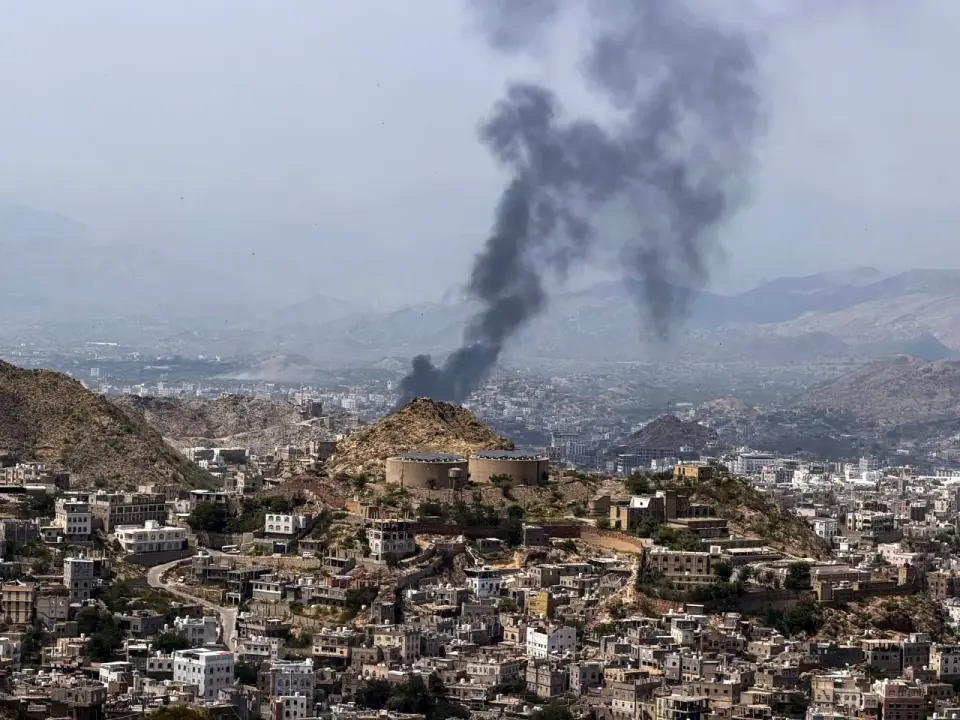
The Houthi siege of Taiz, Yemen, has pushed the city’s healthcare system to the brink of total collapse. Hospitals are running out of diesel for generators and medical supplies, forcing critical services like dialysis to reduce session times or shut down entirely. Simultaneously, severe water shortages and soaring food prices are endangering the civilian population, with humanitarian groups warning of a deepening disaster.
Key points
- Republican Hospital in Taiz warns of a complete shutdown within days due to critical shortages of diesel and dialysis solutions.
- Dialysis sessions have been reduced from four hours to 2.5 hours, which doctors say is inadequate for patients with kidney failure.
- The World Health Organization reports that 42 health facilities in Taiz city are facing severe supply shortages, threatening oxygen production and vaccine refrigeration.
- Fuel prices have risen fivefold, forcing hospitals to buy diesel on the black market to keep generators running.
- Water supplies have dwindled to crisis levels, with families rationing bottled water and paying up to 75% more than before the siege.
- The siege has displaced an estimated 124,000 people into Taiz province since August, straining already limited resources.
Background
This crisis follows weeks of escalating conflict in Yemen, where Houthi forces have tightened their grip on Taiz, the country’s third-largest city. Previous reports indicated that the siege had already cut off aid to over 800,000 people and stalled the government’s 'Dawn of Yemen' counteroffensive. The current situation represents a sharp deterioration in medical and humanitarian conditions, with earlier warnings of imminent collapse now materializing in the form of suspended hospital departments and critical supply shortages.
How outlets are covering it
Al Jazeera focuses heavily on the medical dimension, detailing specific hospital closures, the reduction of dialysis times, and the financial burden of black-market fuel. It highlights the direct impact on patients and the technical failure of medical infrastructure. NPR, in contrast, emphasizes the broader civilian humanitarian crisis, particularly the collapse of water supplies and the economic strain on families. While Al Jazeera cites hospital directors and medical staff, NPR relies on residents and aid workers to illustrate the daily struggle for basic necessities like water and food. Both sources agree on the severity of the situation but differ in their primary focus: medical infrastructure versus general civilian survival.
Why it matters
The collapse of healthcare in Taiz threatens the lives of thousands, including 1,110 patients with kidney failure across the governorate. The shortage of fuel and medical supplies is not just a local issue but a symptom of a broader humanitarian disaster that could lead to disease outbreaks and mass displacement. The siege also has strategic implications, as control of Taiz is vital for Houthi advances toward southern Yemen, potentially destabilizing the region further.
What to watch
Humanitarian organizations, including Amnesty International and the WHO, are urging the Houthis to immediately reopen roads into Taiz to allow the entry of fuel, food, and medical supplies. Without immediate action, hospitals may shut down completely, and the risk of disease outbreaks, particularly among displaced families, will increase. The situation may also see further military escalation as government forces attempt to break the siege, potentially leading to more civilian casualties and displacement.
- Hospital in Yemen’s Taiz warns of collapse in days because of Houthi siege Al Jazeera
- Drinking water supplies dwindle in Yemeni city besieged by Houthi rebels NPR
- Time ‘running out’ to reach Yemen’s Taiz amid deepening crisis, UN says Al Jazeera
- Major Yemeni City Running Out of Food and Water as Houthis Encircle It The New York Times
- Water rationing, rubbish pile-up raise disease fears in Yemen's besieged Taiz Reuters
Want the full story? Read the original reporting
Read on Al Jazeera