
Taiz siege triggers imminent healthcare collapse and water crisis
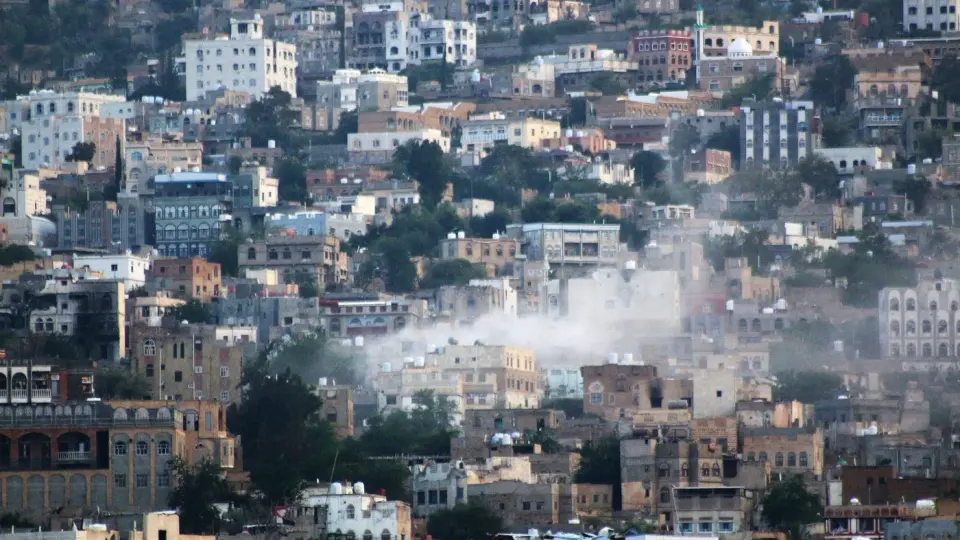
Iran-backed Houthi rebels have besieged Taiz, Yemen’s third-largest city, cutting off water, fuel, and medical supplies for over one million residents. The blockade has forced hospitals to reduce dialysis sessions and risks total healthcare collapse within days, while families ration drinking water and face soaring food prices. Recent strikes have killed civilians, including two teenage girls, prompting UN officials to warn of a severe humanitarian disaster.
Key points
- Houthi forces control approximately 80% of the countryside surrounding Taiz and several key neighborhoods, effectively encircling the city and blocking supply routes to Aden.
- The siege has caused a critical shortage of diesel, forcing the Republican Hospital to reduce dialysis sessions from four hours to 2.5 hours, with a complete shutdown feared within days.
- Water supplies have dwindled to crisis levels; families are rationing bottled water, with prices rising by up to 75%, and desalination plants are running below capacity due to fuel shortages.
- A Houthi missile strike on a residential area killed two teenage girls and wounded six others, while a separate attack on a military camp killed 73 recruits, marking the deadliest strike since the conflict resumed.
- The UN and Amnesty International have called for the immediate reopening of roads, warning that the blockade threatens hundreds of thousands of civilians with a severe humanitarian disaster.
Background
Taiz has been a focal point of fighting since Yemen’s civil war began in 2014. The city previously faced a complete Houthi siege between 2015 and 2016. Recent escalation follows the Houthis’ capture of the port city of Mokha in late September, which is vital for controlling Red Sea shipping. The conflict has intensified since the July airstrikes on Sanaa International Airport, which shattered a 2022 ceasefire. Our archive notes that the siege has displaced 124,000 people into Taiz, compounding the strain on infrastructure and increasing the risk of disease outbreaks.
How outlets are covering it
NPR emphasizes the daily impact on civilians, highlighting how families are rationing water and facing soaring food prices, with some buying water on credit. Al Jazeera focuses on the imminent collapse of the healthcare system, detailing how diesel shortages have forced hospitals to reduce dialysis sessions and suspend essential units. AP News highlights the military escalation, noting the deadly strikes on both civilian and military targets, and the international response, including British and Egyptian pledges to support Saudi Arabia against Houthi attacks. All sources agree on the severity of the humanitarian crisis but differ in emphasis: NPR on civilian survival, Al Jazeera on medical infrastructure, and AP on the broader regional conflict.
Why it matters
The siege of Taiz threatens to trigger a severe humanitarian disaster, with over one million residents facing shortages of water, food, and medical care. The collapse of healthcare services, particularly dialysis and neonatal care, could lead to preventable deaths. The conflict also has regional implications, as Houthi attacks on Saudi Arabia have prompted international military support, potentially escalating the broader Iran-Saudi rivalry.
What to watch
Humanitarian organizations are urging the Houthis to immediately reopen roads into Taiz to allow aid and essential goods to enter. The UN has warned that the situation is at 'grave risk' and has called for the protection of civilians. The Yemeni government is attempting to repel Houthi forces, but analysts suggest that any attempt to seize Taiz would require a prolonged and costly battle. The international community is monitoring the situation closely, with Britain and Egypt pledging additional support to Saudi Arabia against Houthi attacks.
- Drinking water supplies dwindle in Yemeni city besieged by Houthi rebels NPR
- Hospital in Yemen’s Taiz warns of collapse in days because of Houthi siege Al Jazeera
- Saudi Arabia Executes Bangladeshi Man and Woman in Mecca Democracy Now!
- Houthis attack besieged city in Yemen that UN says is at ‘grave risk’ AP News
- Water rationing, rubbish pile-up raise disease fears in Yemen's besieged Taiz Reuters
Want the full story? Read the original reporting
Read on NPR